Introduction
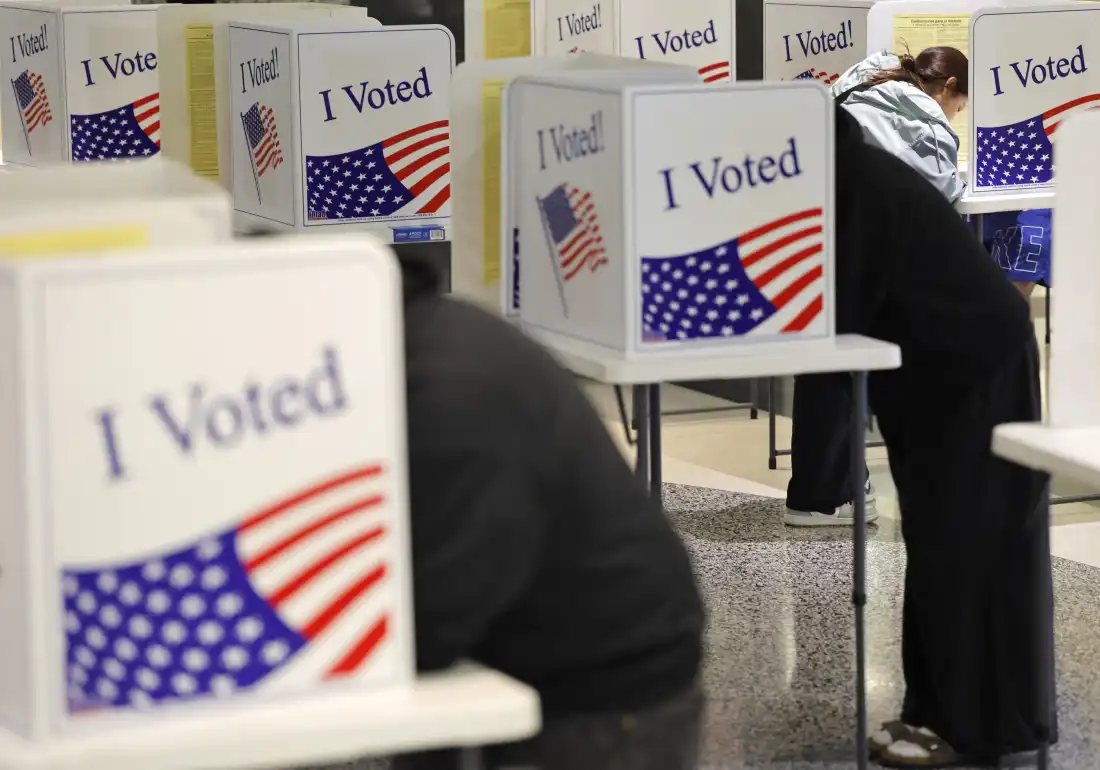
Tuesdays midterm elections brought a sweeping wave of voter decisions across the country, with 146 statewide ballot measures on the ballot in 39 states and Washington DC. From reproductive rights to gun policies, voters weighed in on issues that will shape state laws for years to come.
What Happened
Voters in three states moved to preserve and expand abortion access, while Idaho upheld its existing ban. Missouri rejected a measure that would have further restricted abortion, and Nevada and Virginia enshrined reproductive freedom in their constitutions. On LGBTQ rights, Virginia repealed its same-sex marriage ban, Vermont added equal protection guarantees, and states including Colorado and Arizona passed measures affecting transgender students sports participation and restroom access. Tax and spending measures saw Florida voters approve a property tax cut, California voters split on a billionaire tax, and Tennessee and Arizona passed limits on new tax authority. Gun laws saw Massachusetts keep its 2024 restrictions, while Idaho voters chose an official state firearm. Across 38 jurisdictions, voters restricted or banned data centers, with Ohio passing 21 measures targeting AI facilities.
- Abortion: Three states expanded access; Idaho kept its ban.
- LGBTQ: Virginia and Vermont passed equality measures; Arizona and Colorado restricted transgender students sports participation.
- Taxes: Florida passed a property tax cut, California voters split on a billionaire tax, and Tennessee and Arizona limited new tax authority.
- Guns: Massachusetts upheld strict regulations; Idaho selected a state firearm.
- Data centers: At least 38 jurisdictions voted to restrict or ban facilities, with Ohio passing 21 measures.
Why This Matters
The results reflect shifting voter priorities across the country and will influence state legislation on core civil rights economic policy and governance. Abortion ballot measures continue to test the boundaries of post Roe landscapes, while LGBTQ rights measures signal ongoing cultural and legal battles. Tax and gun decisions will affect daily life and public safety, and data center restrictions highlight growing voter concern over AI infrastructure and electricity costs.
Key Takeaways
- Abortion access expanded in three states, with Idaho maintaining its 2022 ban.
- LGBTQ protections advanced in Virginia and Vermont, while some states restricted transgender students sports participation.
- Tax measures reflected voter resistance to new levies, with property tax cuts passing in Florida and limits approved in Arizona and Tennessee.
- Gun policies remained polarized, with Massachusetts reinforcing strict rules and Idaho selecting a state firearm.
- Data center restrictions passed in at least 12 localities, with Ohio voters rejecting expansive AI facility growth.
Conclusion
With 146 measures decided across dozens of states, the 2026 midterms reveal a nation deeply divided and deeply engaged on issues ranging from reproductive freedom to AI infrastructure. These results will likely fuel legislative fights and future ballot initiatives as states navigate the intersection of social policy economic priorities and voter sentiment.


Discussion
Join the conversation
Thoughtful reactions, questions, and follow-up ideas help shape the next story.