Introduction
The Iron Age represented a pivotal shift in ancient technology, but the full extent of metal distribution across Europe has remained uncertain. A recent find in Austria is now providing fresh insight into how iron moved through early societies.
What Happened
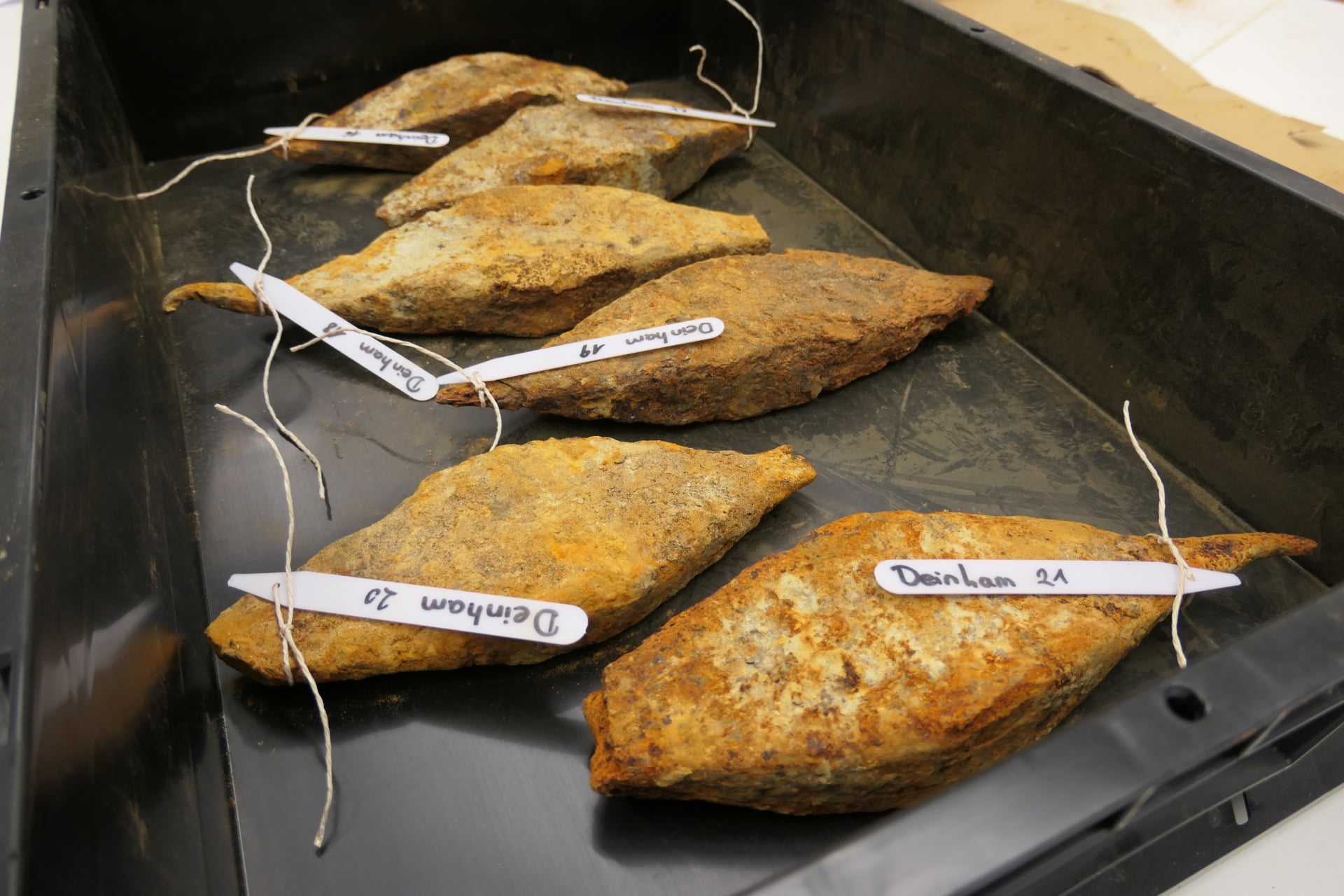
In spring 2019, laborers clearing gravel at a pit near the Danube-side village of Deinham, Austria, watched their machine haul up curious, double-pointed metal shapes. Archaeologists were summoned and uncovered 540 fragments of iron bars, along with roughly 90 other artifacts spanning from the eighth century BCE to the early 1900s. The collection, weighing about a ton, dates to the La Tene period and is described as the largest known mass of iron bars ever found in Europe. About one-third of the bars had already been stripped of surrounding soil by a gravel crusher, while the rest remained encased in sediment.
Why This Matters
The magnitude of the hoard suggests Iron Age communities moved far more metal than previously assumed. One ton of iron could be forged into roughly 500 swords weighing three to four pounds each, or into 8000 nails sufficient to frame the wooden walls of a nearby fortified settlement. The logistical challenge of moving such a load implies that trading partners offered substantial exchange items such as livestock, precious metals, or captives to secure the shipment. The discovery points to a highly organized network of exchange along the Danube, where iron was transported in quantity before a mishap claimed the cargo.
Key Takeaways
- Over 500 iron bars recovered from a single Austrian gravel pit
- Find dates to the La Tene period and approaches nearly one ton in weight
- Indicates far-reaching Iron Age trade routes along the Danube River
- Demonstrates the scale of ancient metal production and exchange systems
- Highlights unresolved questions about iron sourcing and workshop organization
Conclusion
This unprecedented trove opens a window into the economic and technological life of the late Iron Age. As researchers continue to analyze the bars' origins and composition, the Deinham site promises to refine our understanding of how ancient societies produced, valued, and traded one of history's most essential materials.



Discussion
Join the conversation
Thoughtful reactions, questions, and follow-up ideas help shape the next story.