Introduction
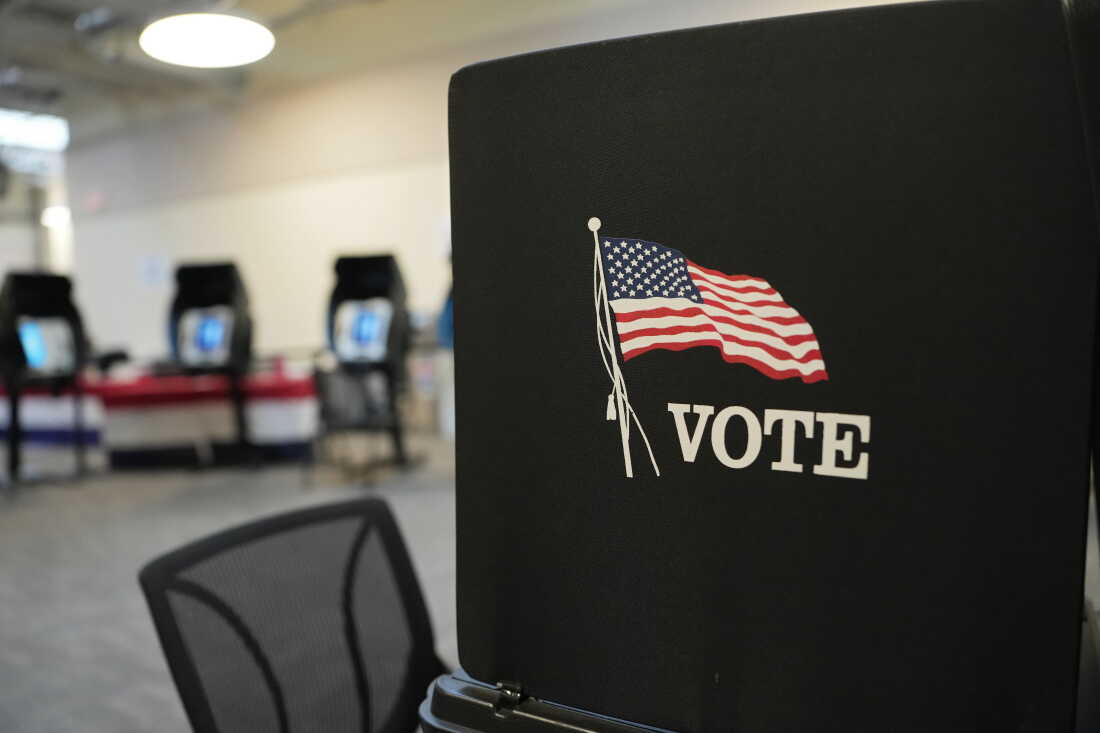
As the 2026 midterms approach, both Democrats and Republicans are pouring resources into a wide-open House map that could determine which party controls the chamber. With over 90 districts already seeing significant ad reservations and campaign spending, the race for the 218 seats needed for a majority is shaping up as one of the most competitive in recent cycles.
What Happened
According to NPR analysis, the political landscape has shifted dramatically since the 2024 presidential election. Republicans currently hold a narrow 218-214 advantage, but the number of competitive races has grown from 39 to 43, including 22 toss-ups identified by the Cook Political Report. Beyond the official ratings, both parties' campaign arms and Trump-aligned super PACs have committed resources to more than 90 House districts, channeling hundreds of millions in ad reservations and outside spending into the final weeks before Election Day.
The article highlights how a turbulent primary season, record-breaking retirements, and anti-incumbent sentiment have further scrambled the map. Redistricting efforts in states like Texas, Florida, and California have redrawn district lines for roughly 1 in 10 registered voters, often based on 2024 voting patterns that may not hold in 2026.
Why This Matters
The stakes are clear: with the House majority hanging by a thread, a small number of competitive districts will decide which party sets the legislative agenda. Voters in districts like NY-17, PA-01, and WA-03 are already feeling the pressure, as are races where margins vanished by fewer than 200 votes in 2024. Moreover, Trump's job approval in newly redrawn communities, particularly in South Florida and along the Texas-Mexico border, is notably lower than average, making previously safe seats competitive and forcing both parties to reallocate resources.
Data shows that while both parties have expanded their target lists, historical success rates remain low. Democrats have won roughly 34% of their target districts since 2012, Republicans about 29%. Yet the current spending surge--with close to half a billion dollars in ad reservations committed--signals that neither side is taking anything for granted.
Key Takeaways
- Over 90 House districts are currently receiving campaign resources, ad buys, or outside spending in the 2026 midterms.
- The competitive landscape has expanded beyond the initial Cook ratings, with 22 officially listed toss-ups and dozens more under active watch.
- Redistricting in key states has reshaped voter demographics, though new district lines may backfire if voter behavior shifts.
- Trump's unpopularity in certain swing communities is flipping traditionally red seats into battlegrounds, especially in Florida, Ohio, and Pennsylvania.
- Historical data indicates that even well-funded target lists often fall short, making the final voter turnout and swing dynamics the true wild cards.
Conclusion
With just weeks remaining until Election Day, the 2026 House map remains intensely fluid. Record spending, aggressive redistricting, and a highly polarized political environment ensure that a handful of districts will ultimately decide which party controls the lower chamber. Readers should watch ad reservation changes, last-minute campaign visits, and early voting trends in the key battlegrounds highlighted throughout this analysis.

Discussion
Join the conversation
Thoughtful reactions, questions, and follow-up ideas help shape the next story.