Introduction
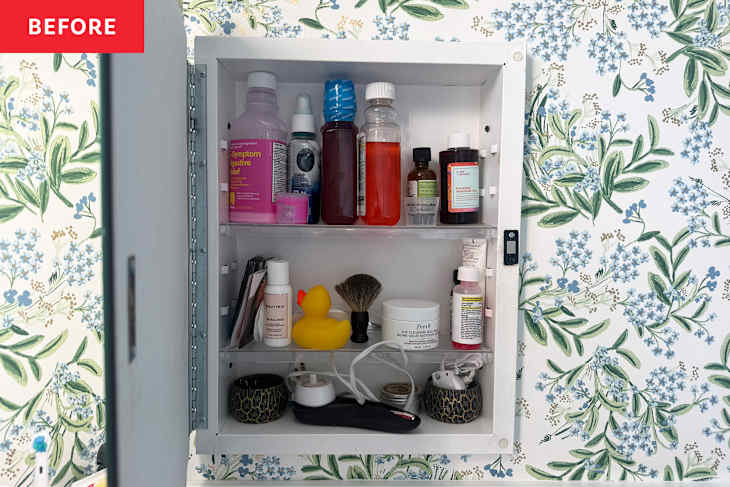
Your medicine cabinet should be a functional space for daily essentials, not a chaotic jumble of expired products and mismatched containers. When organization expert Blanka Molnar stepped in to tackle a cluttered cabinet in a compact rowhome, the transformation proved that smart strategies make all the difference.
What Happened
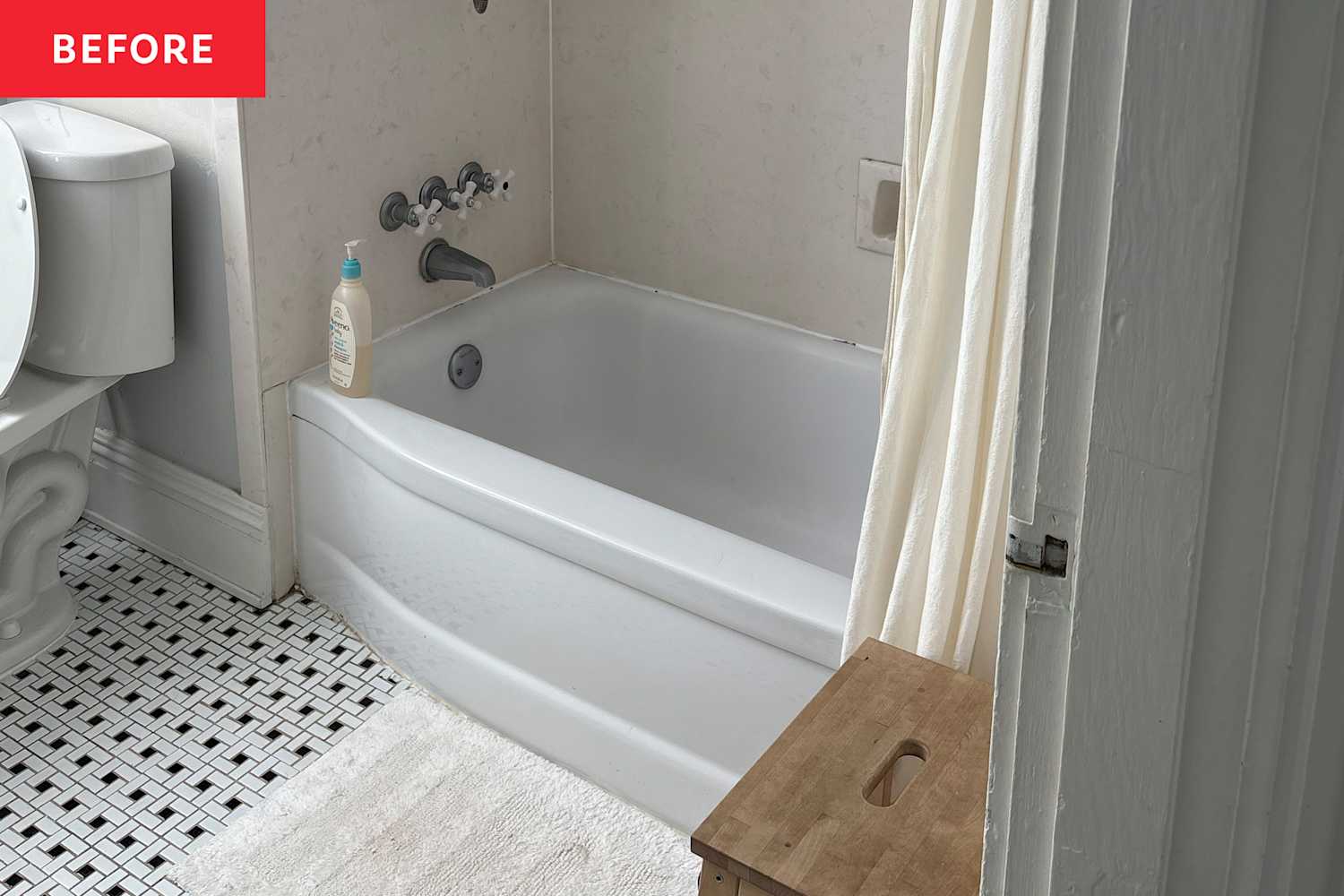
Heather Bien’s primary bathroom features an 18-inch vanity, leaving minimal floor space and a medicine cabinet that quickly became a catch‑all for random items. Despite its usefulness, the cabinet was overdue for a reset, prompting a call to professional organizer Blanka Molnar for a fresh perspective on how to maximize every inch.
Why This Matters
An organized medicine cabinet does more than look tidy—it saves time searching for items, prevents keeping expired medications, and makes the most of limited bathroom storage. Molnar’s approach combines practical decluttering with cohesive container systems, turning a cramped space into a streamlined apothecary that works as hard as you do.
Key Takeaways
- Declutter before organizing. Empty the cabinet and remove anything past its prime—expired medication, worn tweezers, or dried makeup sponges. Safely dispose of old drugs at a pharmacy or hospital and recycle the containers.
- Consolidate and categorize. Group items by type—cold remedies with cold remedies, first‑aid supplies together, dental grooming separately—to create a logical system that’s easy to maintain daily.
- Use containers strategically. Replace round or mismatched bins with clear square or rectangular vessels. Small square or 6‑ to 9‑inch containers maximize shallow cabinet space and keep medication bottles visible without visual chaos.
- Corral cords. Roll up the toothbrush charging cable and secure it with a reusable or silicone cable tie. This simple step eliminates visual clutter and frees up valuable shelf room.
- Decant cohesively (optional). Transfer liquid medications into uniform reusable glass or plastic bottles. Label each container clearly and preserve dosage information for safety, aiming for an apothecary‑style bathroom aesthetic.
Conclusion
With just a few intentional steps, even the smallest medicine cabinet can become a model of efficiency and calm. Molnar’s five tips show that thoughtful organization isn’t about buying more—it’s about using what you have more wisely. Try the first four tips and see how much easier your morning routine becomes.



Discussion
Join the conversation
Thoughtful reactions, questions, and follow-up ideas help shape the next story.