Introduction
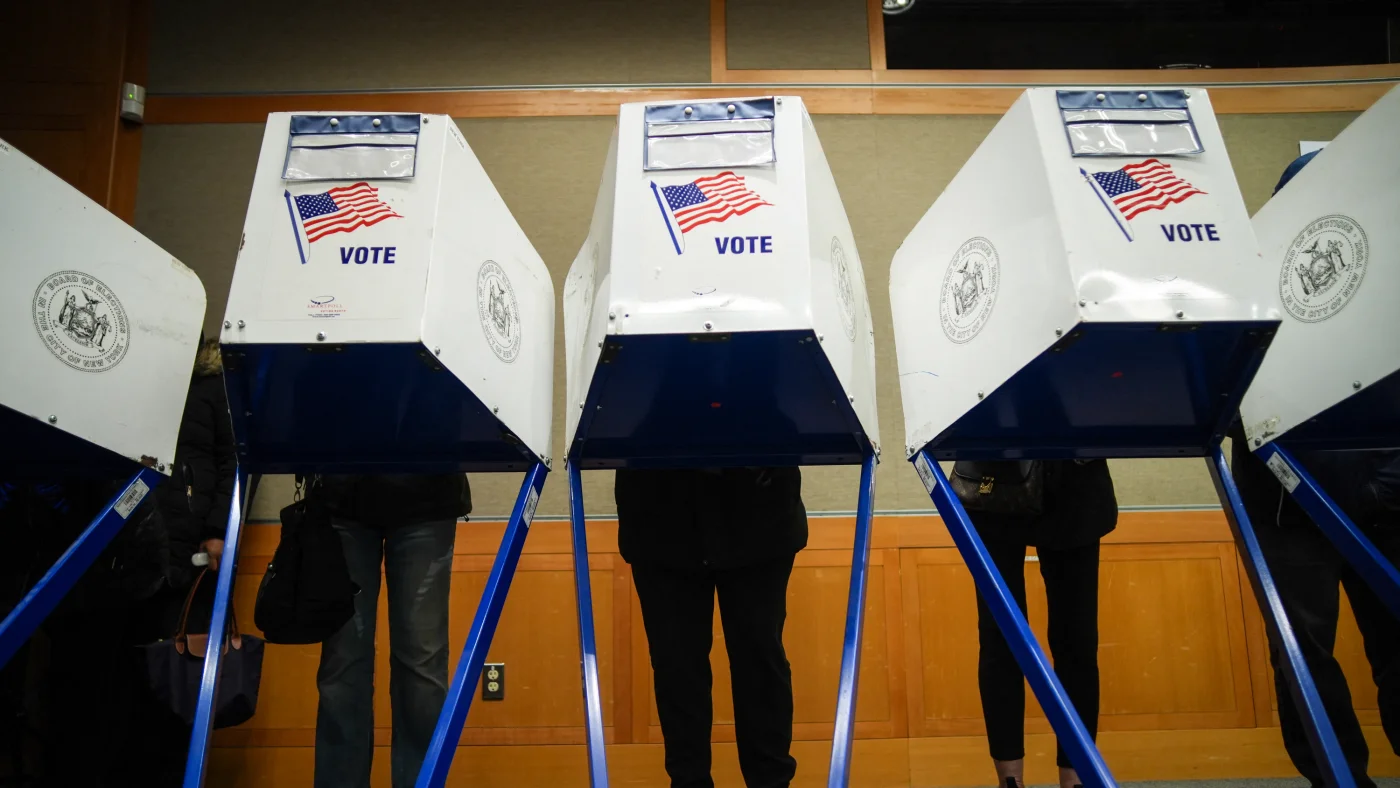
NPR dedicated a year to directly hearing from voters who have played a decisive role in recent elections. Through the Swing Voter Project, the network conducted monthly online focus groups with individuals who backed President Biden in 2020 and later threw their support behind Donald Trump in 2024. The effort offers a rare, real-time window into how political sentiment shifts when economic conditions, cultural debates, and campaign messaging intersect.
What Happened
Throughout 2026, NPR followed a rotating cohort of swing voters across competitive states, recording their reactions to presidential actions, policy results, and campaign rhetoric. Participants often reflected on how quickly their allegiance could change, frequently tying their economic mood to specific Trump-era decisions. The group was not monolithic; concerns ranged from pocketbook issues to broader cultural and technological anxieties.
Why This Matters
Swing voters have long been the deciding factor in tight races, and tracking their trajectory provides critical context for upcoming contests. The NPR findings confirm that economic frustration remains a primary engine of voter realignment, while also surfacing unexpected areas of agreement across the political spectrum. At the same time, new worries about artificial intelligence and the rapid expansion of data centers are entering the political conversation, signaling that future campaigns will need to address technology-driven voter concerns.
Key Takeaways
- Rapid voter disillusionment: Participants who shifted from Biden to Trump often did so within a single cycle, reflecting how quickly political loyalty can change when perceived performance diverges from expectations.
- Economic anxiety as a deciding factor: Voters consistently tied their feelings about the economy directly to specific policy decisions, underscoring the pocketbook's role in shaping electoral choices.
- Cross-party economic populism: Listeners from both liberal and conservative backgrounds expressed support for policies focused on working-class economic relief, suggesting a rare point of agreement in a polarized landscape.
- Artificial intelligence concerns: A widespread unease about AI development and the proliferation of data centers emerged as a new, unexpected issue cutting across traditional party lines.
- Democratic appeal limitations: The analysis also showed that Democratic support among this voter segment was not uniformly strong, indicating complex partisan dynamics.
Conclusion
The year-long look at swing voters confirms that economic sentiment, cultural shifts, and emerging technology concerns are reshaping voter coalitions ahead of the 2026 election cycle. As political campaigns begin to target these groups, the NPR project provides a timely reminder that voter realignment is often faster and more complex than traditional models predict. Staying attuned to these evolving perspectives will be essential for anyone tracking the future of American politics.



Discussion
Join the conversation
Thoughtful reactions, questions, and follow-up ideas help shape the next story.