Introduction
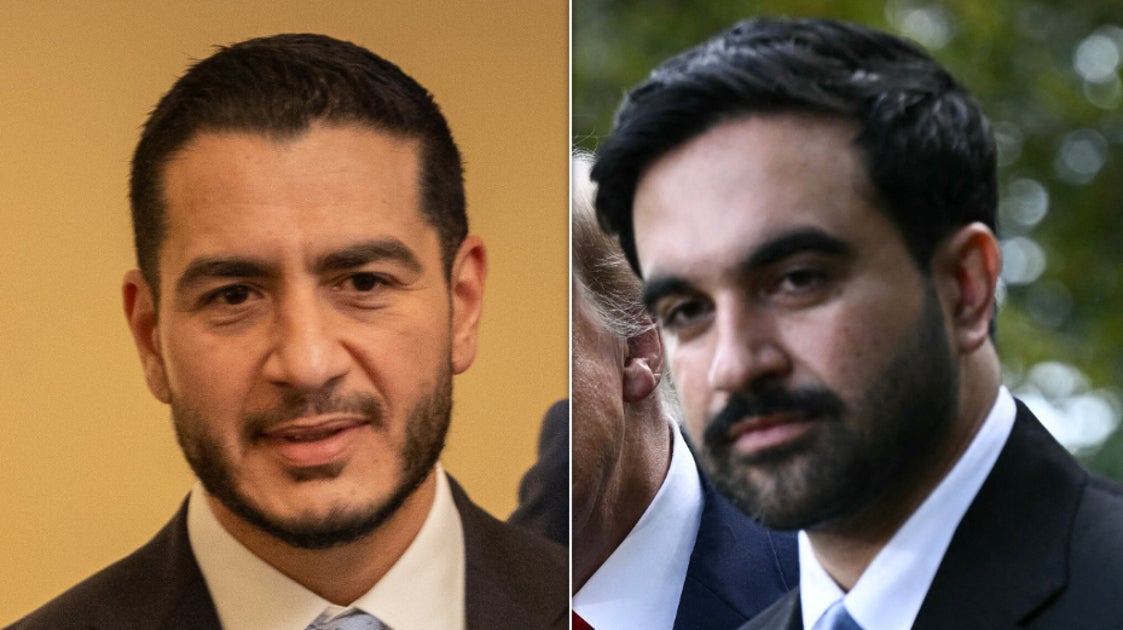
Michigan senator-elect Abdul El-Sayed says he is coordinating with New York City Mayor Zohran Mamdani to find common ground with President Donald Trump on one of the Democratic Party's most ambitious health care goals: Medicare for All. Despite sharp political differences, both men argue that engaging the White House is necessary to advance progressive priorities.
What Happened
In an interview with Politico's Playbook, El-Sayed explained that he and Mamdani have been exchanging ideas about how to deal with the president. He emphasized that disagreement on many issues does not preclude working with the commander in chief. El-Sayed has also promoted a mock gold-colored "Trumpcare" card on social media, directly addressing Trump and urging him to guarantee health care for every American. Trump later shared those images on Truth Social and told the New York Post that El-Sayed is intelligent, adding that he plans to meet with the senator-elect about the proposal at a future date.
Mamdani, who has cultivated an unusually cordial relationship with Trump despite their ideological divide, previously told Rolling Stone that his strategy involves being straightforward with the president, especially where they disagree.
Why This Matters
The outreach is significant because Trump has previously fueled Islamophobic attacks against El-Sayed during the midterm cycle. Both El-Sayed and Mamdani are Muslim progressives who have broken new ground in electoral politics, making their willingness to engage the president a notable departure from typical partisan posturing. If the effort gains traction, it could signal a new approach to passing universal health care legislation in a divided Washington.
Key Takeaways
- Abdul El-Sayed and Zohran Mamdani are coordinating strategy on working with President Trump.
- Their shared goal is building support for Medicare for All legislation.
- Trump has acknowledged El-Sayed publicly and said he will meet with him about the proposal.
- Both politicians are Muslim Democrats who have faced political hostility from Trump and his allies.
- El-Sayed remains cautious, saying he will wait to see what emerges from any conversation.
Conclusion
El-Sayed and Mamdani are betting that personal engagement can overcome deep ideological divides. Whether Trump will seriously embrace Medicare for All remains uncertain, but the two lawmakers are making clear that they are willing to talk to anyone who might help expand health care access.
Discussion
Join the conversation
Thoughtful reactions, questions, and follow-up ideas help shape the next story.