Introduction
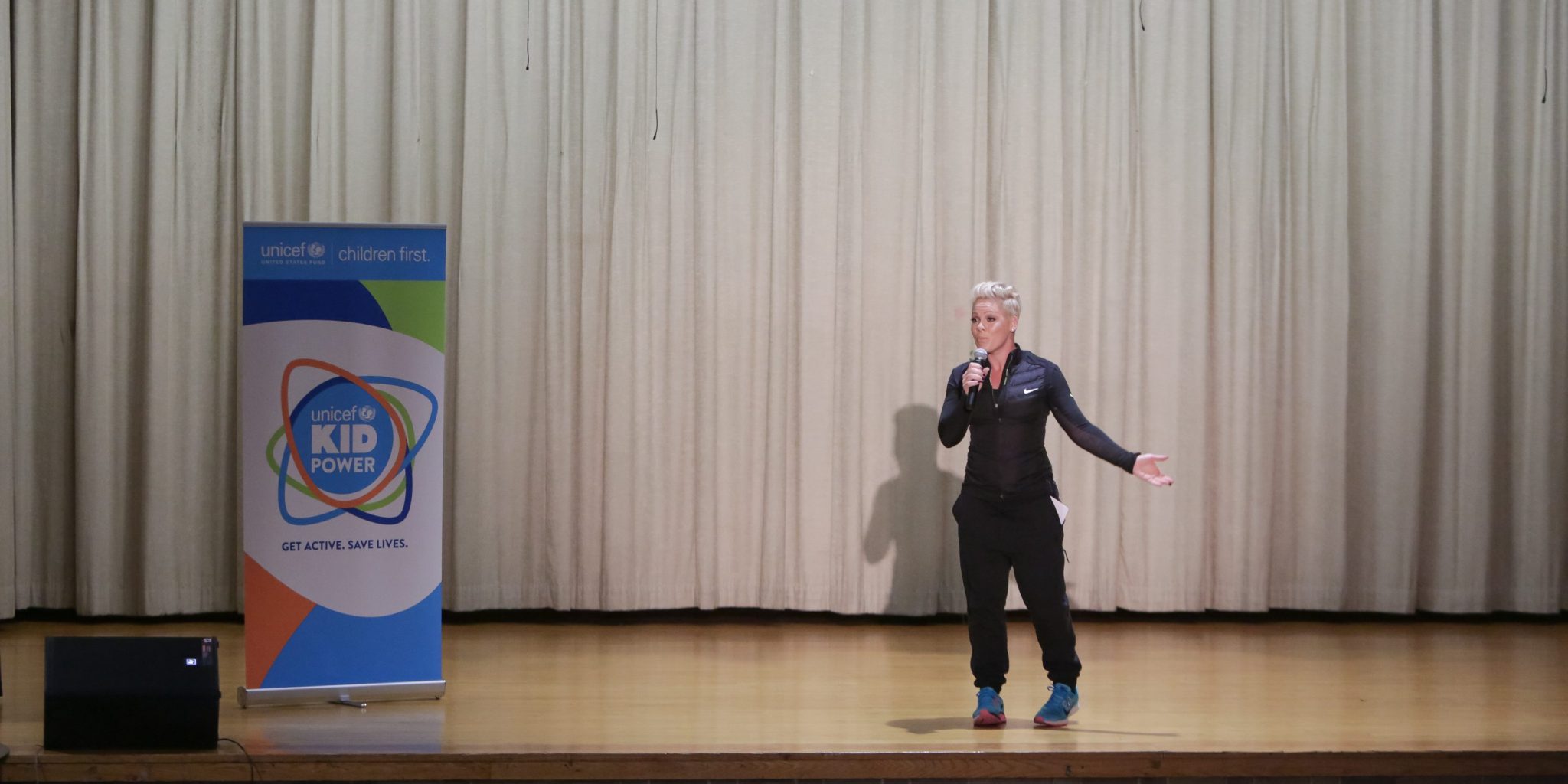
Activists have launched a petition demanding that UNICEF remove pop star Pink from her ambassadorship after she publicly supported the firing of rapper Macklemore for speaking out against Israel’s actions in Gaza. The campaign, led by Swifties Against Genocide, has gathered more than 160,000 signatures and the backing of actor Javier Bardem, reigniting debate over the role of celebrity advocates in humanitarian work.
What Happened
Pink reignited controversy by sharing a post from StopAntisemitism that labeled Macklemore’s pro-Palestine remarks as false, then defended her position while emphasizing her decade-long role as a UNICEF ambassador. The backlash unfolded alongside Ed Sheeran’s decision to drop Macklemore from his stadium tour, which prompted his opening acts and band members to exit in solidarity. Despite highlighting her visits to children in conflict zones, critics argue her comments sidestepped Palestinian children’s suffering and that UNICEF ambassadors must remain neutral and compassionate toward all children affected by war.
Why This Matters
The petition reflects a broader cultural shift as US opinion on the Israel-Gaza conflict shifts, with more Americans expressing solidarity with Palestinians and viewing Israel unfavorably. UNICEF itself has described Gaza as a graveyard for children, making the stance of its ambassadors particularly significant. Activists say that when a global children’s agency’s representative attacks pro-Palestine speech, it undermines the organization’s mandate and sends a contradictory message during a time of heightened humanitarian need.
Key Takeaways
- Over 160,000 people have signed the petition calling for Pink’s removal from UNICEF USA.
- The campaign is supported by notable figures including Javier Bardem and the activist group Swifties Against Genocide.
- Pink’s defense of her remarks emphasized personal grief over children lost in conflict but stopped short of condemning Israel’s military actions.
- Ed Sheeran’s tour reshuffle demonstrated how quickly solidarity movements can influence major entertainment lineups.
- The situation underscores growing demand for UNICEF ambassadors to align with the organization’s commitment to children in conflict zones without qualifying or dismissing their suffering.
Conclusion
Whether UNICEF acts on the petition remains uncertain, but the pressure on Pink marks a significant moment at the intersection of celebrity, humanitarian work, and political activism. As public sentiment toward the Israel-Gaza conflict continues to evolve, the incident may set a precedent for how global organizations handle ambassadorial conduct during times of war.



Discussion
Join the conversation
Thoughtful reactions, questions, and follow-up ideas help shape the next story.