Introduction
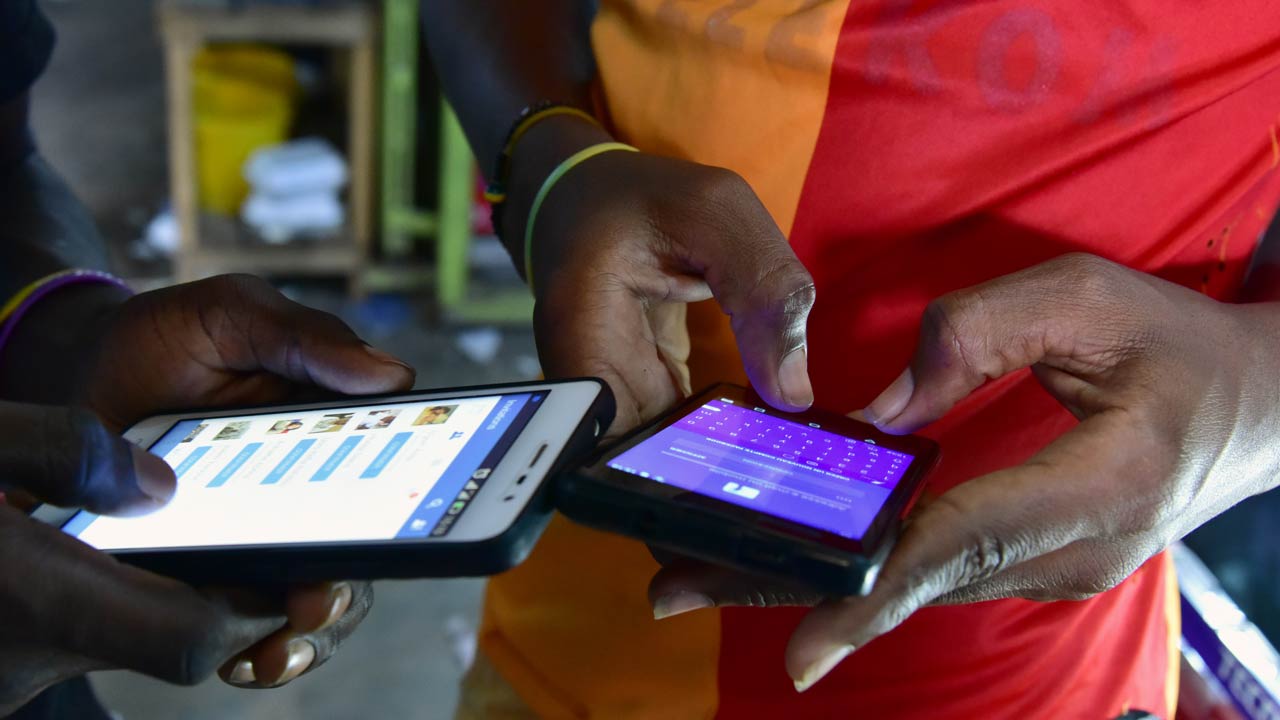
Africa's push for ultra-affordable smartphones is encountering fresh headwinds as component costs climb and policy environments vary across the continent. Despite extensive network rollout, millions remain offline not due to lack of signal but because handsets remain out of reach.
What Happened
The GSMA's latest connectivity report underscores a widening usage gap. While 4G and 5G networks have expanded rapidly, the price of entry-level devices has moved in the opposite direction. Memory chip prices doubled then surged 80-90% in recent quarters, pushing the average smartphone selling price in Africa to $202—up $41 year-on-year. Shipments of sub-$100 devices fell 34%, and the poorest 20% of Africans would need to devote up to 76% of monthly income to afford a basic internet-capable handset.
Why This Matters
A $30 smartphone isn't just a price point; it's a gateway to digital finance, education, and commerce. Without affordable devices, Africa's substantial network investments risk becoming underutilized assets. The GSMA estimates closing the global mobile usage gap could add $3.5 trillion to GDP by 2030, but that hinges on making handsets truly accessible. Policy choices around spectrum pricing, taxation, and energy costs directly determine whether the next billion users can come online.
Key Takeaways
- Memory and chipset price spikes are the primary cost drivers pushing smartphone prices up.
- The poorest Africans spend over half their monthly income on the cheapest internet-enabled handsets.
- Policy interventions like tax cuts and spectrum reform can lower consumer prices, as demonstrated by South Africa's 80% sales increase after removing a 9% excise duty.
- A $30 phone could bring 1.6 billion people within reach of mobile internet, but current trends move that goal further away.
- Affordability must be paired with digital skills, reliable electricity, and local content to translate connectivity into meaningful economic participation.
Conclusion
Africa has built the roads; now the question is whether people can afford the car. Closing the $30 smartphone gap requires coordinated action across governments, operators, and manufacturers. Without it, the continent's digital inclusion goals may remain out of reach for the millions already within signal range but offline.



Discussion
Join the conversation
Thoughtful reactions, questions, and follow-up ideas help shape the next story.