Introduction
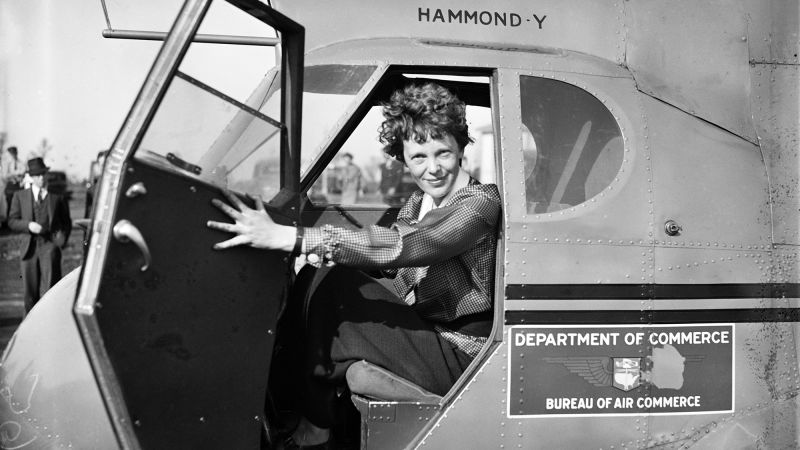
Amelia Earhart's 1937 attempt to fly around the world still captures the public imagination, more than eight decades after she vanished over the Pacific. A new Purdue University expedition is reigniting the search, heading to Nikumaroro Island to investigate fresh clues and test long-standing theories about the aviator's final moments.
What Happened
Earhart and her navigator Fred Noonan departed Lae, New Guinea, on July 2, 1937, on the most challenging leg of their global journey: a roughly 1,000-mile flight to Howland Island, a tiny speck in the Pacific. Radio transmissions from her Lockheed Electra revealed growing distress as fuel dwindled, with her final known message stating she could not see the island and was running low on gas. Despite one of the largest search-and-rescue operations in U.S. history, covering an area the size of Texas, no wreckage was ever found.
Why This Matters
The disappearance remains one of aviation's most enduring puzzles, symbolizing both the risks of early long-distance flight and the limitations of 1930s navigation and communication. Earhart's legacy as a pioneering female aviator continues to inspire, while the unresolved mystery fuels ongoing debate about whether she crashed near her intended destination or survived for a time as a castaway on a remote Pacific island.
Key Takeaways
- New expedition: Purdue researchers, led by archaeologist Rick Pettigrew, are investigating the Taraia Object, a blurry feature first spotted in 2020 satellite imagery.
- Two main theories: The official determination is that Earhart and Noonan ran out of fuel and crashed into the Pacific near Howland Island; an alternative hypothesis suggests they landed on Nikumaroro Island and survived briefly as castaways.
- Recent setbacks: A 2024 sonar search by Deep Sea Vision initially appeared to show an aircraft-shaped formation but was later identified as a natural rock structure.
- Expert divide: Historians and researchers remain divided, with some emphasizing the fuel and communication failures that doomed the flight, while others point to artifacts and contextual evidence supporting the Nikumaroro castaway hypothesis.
Conclusion
Whether the Taraia Object proves to be wreckage or another dead end, the search for Amelia Earhart endures as a testament to the limits of early aviation and the power of persistent inquiry. As new technology and fresh perspectives bring us closer to answers, Earhart's story remains a compelling chapter in the history of exploration and the enduring quest to solve one of aviation's greatest mysteries.







Discussion
Join the conversation
Thoughtful reactions, questions, and follow-up ideas help shape the next story.