
Introduction
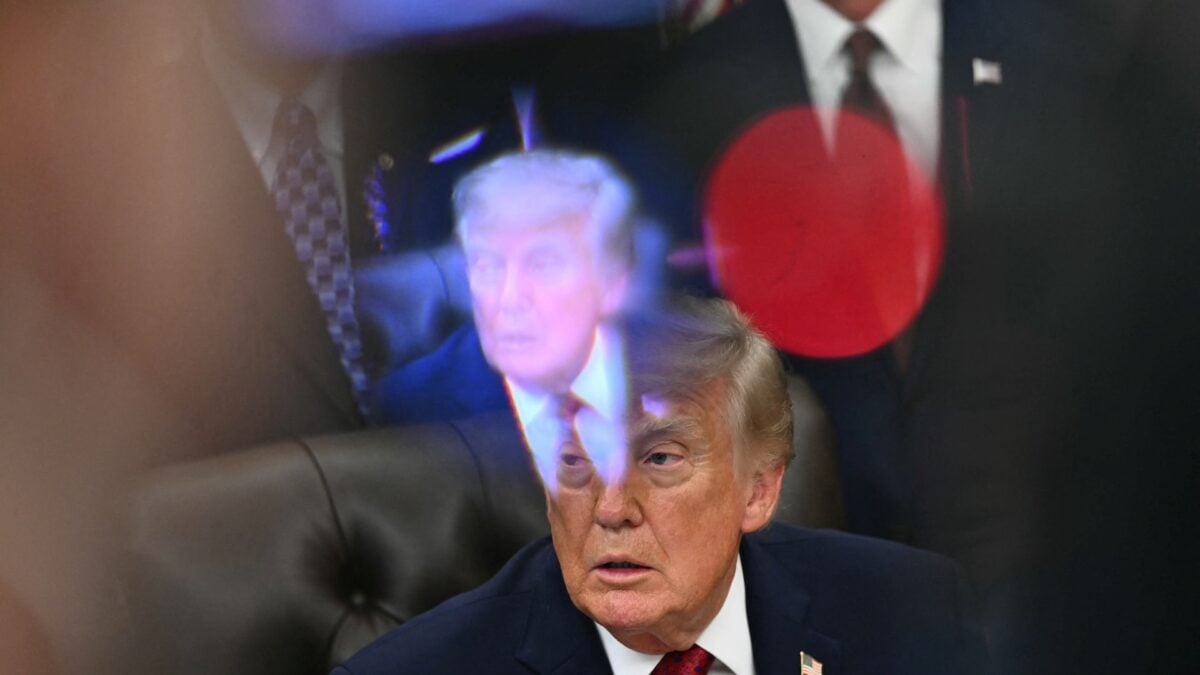
Prime Minister Andy Burnham is preparing for his first face-to-face meeting with former President Donald Trump, marking a significant moment in post-Brexit transatlantic diplomacy. The encounter comes as both leaders are in New York for the United Nations General Assembly, with expectations running high about how the UK will navigate a relationship officials describe as strong yet complex.
What Happened
Burnham traveled to the United States accompanied by his wife, Marie-France van Heel, for a day of diplomatic engagements and a speech at the UN General Assembly. The prime minister has already spoken with Trump twice since taking office in July, with Downing Street characterizing those conversations as productive. Ahead of the meeting, Burnham emphasized his intent to "search for common ground," approaching the encounter with a pragmatic mindset. The agenda includes artificial intelligence cooperation, peace efforts in Ukraine, and the Middle East conflict, alongside a landmark announcement about a new UK-US AI and Autonomy partnership focused on protecting critical national infrastructure. A historic technical milestone was also highlighted: the first successful firing of an American torpedo from a British uncrewed underwater drone, described as a breakthrough for safeguarding undersea data cables.
Why This Matters
For a new prime minister, the first meeting with a U.S. president is always a pivotal moment, and Burnham's encounter with Trump carries added weight given the latter's reputation as one of the most unpredictable figures in modern American politics. The discussions touch on high-stakes issues—from AI safety and transatlantic tech dependency to the future of the UK-US military base on Diego Garcia and the ongoing Chagos Islands dispute. The AI partnership announcement has already drawn criticism from opposition figures who argue it doesn't match the scale of the threat, while the torpedo test underscores a new era of uncrewed naval collaboration. Each element reflects how closely intertwined security, technology, and diplomacy have become in contemporary UK-US relations.
Key Takeaways
- Common ground seek: Burnham frames the Trump meeting as an opportunity to strengthen the "as strong as it's ever been" UK-US relationship through pragmatic engagement.
- AI partnership: The UK announces a new AI and Autonomy partnership focused on critical infrastructure protection, facing criticism from opposition figures who argue the plan falls short of the threat's scale.
- Historic military test: The first launch of a U.S. torpedo from a British uncrewed underwater drone signals a shift in uncrewed naval capabilities and undersea infrastructure security.
- Chagos Islands and Diego Garcia issue remains unresolved, with Burnham confirming he will continue working toward a long-term security arrangement.
- Opposition figures, including Liberal Democrat leader Sir Ed Davey, have called for greater caution and international oversight on AI governance.
Conclusion
As Burnham prepares to sit across from Trump, the outcomes of this meeting—whether in AI policy, defense technology, or diplomatic framing—will likely shape the next chapter of UK-US engagement. The emphasis on pragmatism, coupled with a willingness to seek common ground despite political differences, signals a steady approach to one of the most consequential bilateral relationships in global politics. Observers will be watching closely to see how these discussions translate into concrete policy and whether the rhetoric of partnership can withstand the pressures of a rapidly shifting geopolitical landscape.
Discussion
Join the conversation
Thoughtful reactions, questions, and follow-up ideas help shape the next story.