Introduction
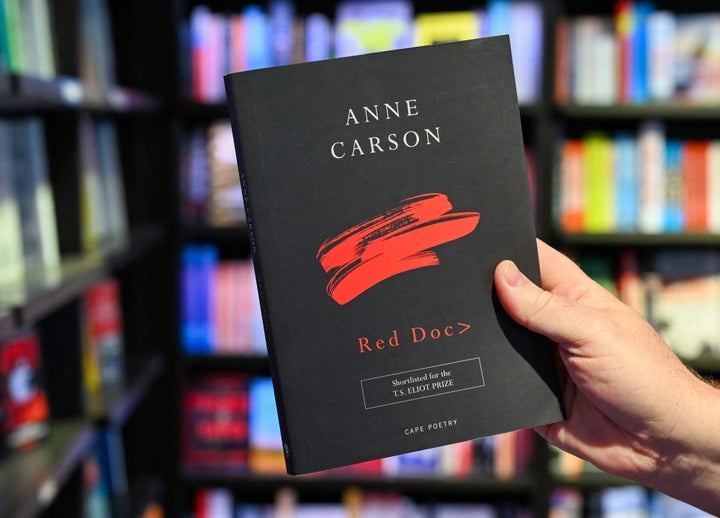
Anne Carson, the acclaimed Canadian poet, essayist, and translator, has been named the recipient of the 2026 Nobel Prize in Literature. Her work, known for seamlessly weaving ancient narratives with contemporary voice, continues to redefine the boundaries of poetry and prose.
What Happened
The Swedish Academy announced Thursday that Carson was awarded the Nobel Prize in Literature, recognizing her playful, genre-blending oeuvre that fuses classical references with modern storytelling. Academy permanent secretary Ingrid Carlberg revealed that Carson was in Iceland, listening to the wind, when the call came - and that she was notably surprised by the news.
Why This Matters
Carson's win underscores the growing influence of genre-defying literature in the literary mainstream. By rooting her work in ancient Greek and Roman sources while addressing timeless themes of desire, identity, and language, she has attracted readers and scholars alike across diverse disciplines. The prize also highlights the Swedish Academy's continued commitment to honoring innovation in form and content.
Key Takeaways
- Anne Carson, 76, is a Canadian poet, essayist, and translator celebrated for works that merge classical themes with modern form.
- Her notable books include Eros the Bittersweet, Autobiography of Red, Men in the Off Hours, and Norma Jeane Baker of Troy.
- She translates classical Greek texts, including Sappho and Sophocles, often publishing them as independent works.
- Her writing intertwines influences from ancient Greece to contemporary voices like Virginia Woolf and Emily Brontë.
- She relocated to Iceland in recent years, receiving citizenship in 2022 with her husband, Robert Currie.
- The Nobel Prize carries an award of 12 million Swedish kronor, approximately $1.2 million.
Conclusion
Anne Carson's Nobel Prize in Literature celebrates a career built on intellectual curiosity and formal daring. Her ability to reinvent ancient stories for today's readers has left a lasting imprint on contemporary poetry and essay writing. As the literary community responds, her work remains a powerful testament to language's capacity to bridge centuries and genres.


Discussion
Join the conversation
Thoughtful reactions, questions, and follow-up ideas help shape the next story.