Introduction
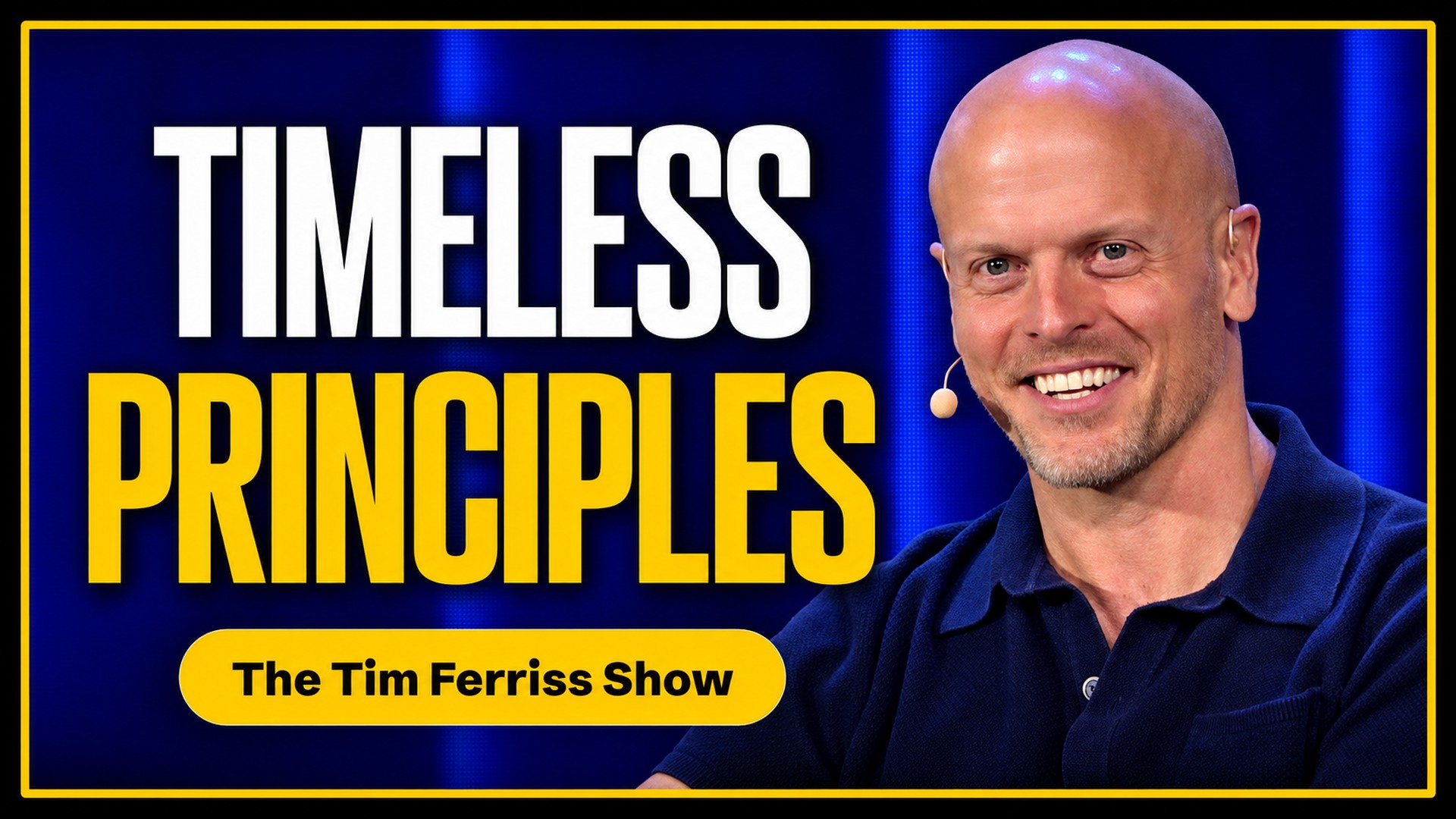
Tim Ferriss recently stepped out of his usual host role and became the interviewee. In front of more than 3,000 real estate professionals at a live event in Las Vegas, Zillow senior vice president Zuhairah Washington led a wide-ranging conversation about artificial intelligence, resilience, and decision-making in unpredictable environments. While the audience worked in property, the lessons apply to anyone trying to stay adaptable when technology and markets shift faster than expected.
What Happened
The discussion centered on how to remain robust—or even anti-fragile—when change accelerates. Ferriss and Washington explored what tasks deserve automation in an AI era and, more critically, what activities should be eliminated entirely. Ferriss described AI as an on-call strategist capable of sharpening decisions when used intentionally. He also explained why scheduling a mini-retirement can expose broken systems, how fear-setting reduces paralysis, and why he avoids tying his self-worth to a single role or industry. The conversation touched on books he returns to repeatedly, including works by Peter Drucker, Greg McKeown, and Oliver Burkeman.
Why This Matters
Artificial intelligence is reshaping knowledge work, but tools alone do not create clarity. The core argument is that effectiveness—choosing the right objectives—matters more than efficiency—executing tasks quickly. Diversifying your identity protects you when one part of your career or life faces disruption. Asymmetric bets, where potential upside far exceeds downside, offer a practical framework for making decisions under uncertainty. These ideas are not limited to real estate; they are relevant to entrepreneurs, employees, and anyone navigating volatile conditions.
Key Takeaways
- Distinguish between what to automate with AI and what to remove from your workflow completely.
- Treat AI as a strategic advisor, not just a productivity shortcut.
- Use mini-retirements to pressure-test your systems and expose dependencies.
- Practice fear-setting to confront worst-case scenarios and reduce decision anxiety.
- Diversify your identity so a setback in one area does not threaten your entire sense of self.
- Prioritize effectiveness over efficiency by focusing on the right goals before optimizing how you reach them.
- Revisit foundational texts such as The Effective Executive, Essentialism, and Four Thousand Weeks for enduring perspective.
Conclusion
The event in Las Vegas offered a reminder that technology changes quickly, but fundamental principles endure. Whether you are managing a real estate portfolio or building a career in another field, the ability to eliminate nonessential work, make calculated bets, and maintain a flexible identity will matter more than any single tool. Ferriss’s recommended reading and frameworks provide a starting point for anyone who wants to remain steady while the world around them accelerates.
Discussion
Join the conversation
Thoughtful reactions, questions, and follow-up ideas help shape the next story.