Introduction
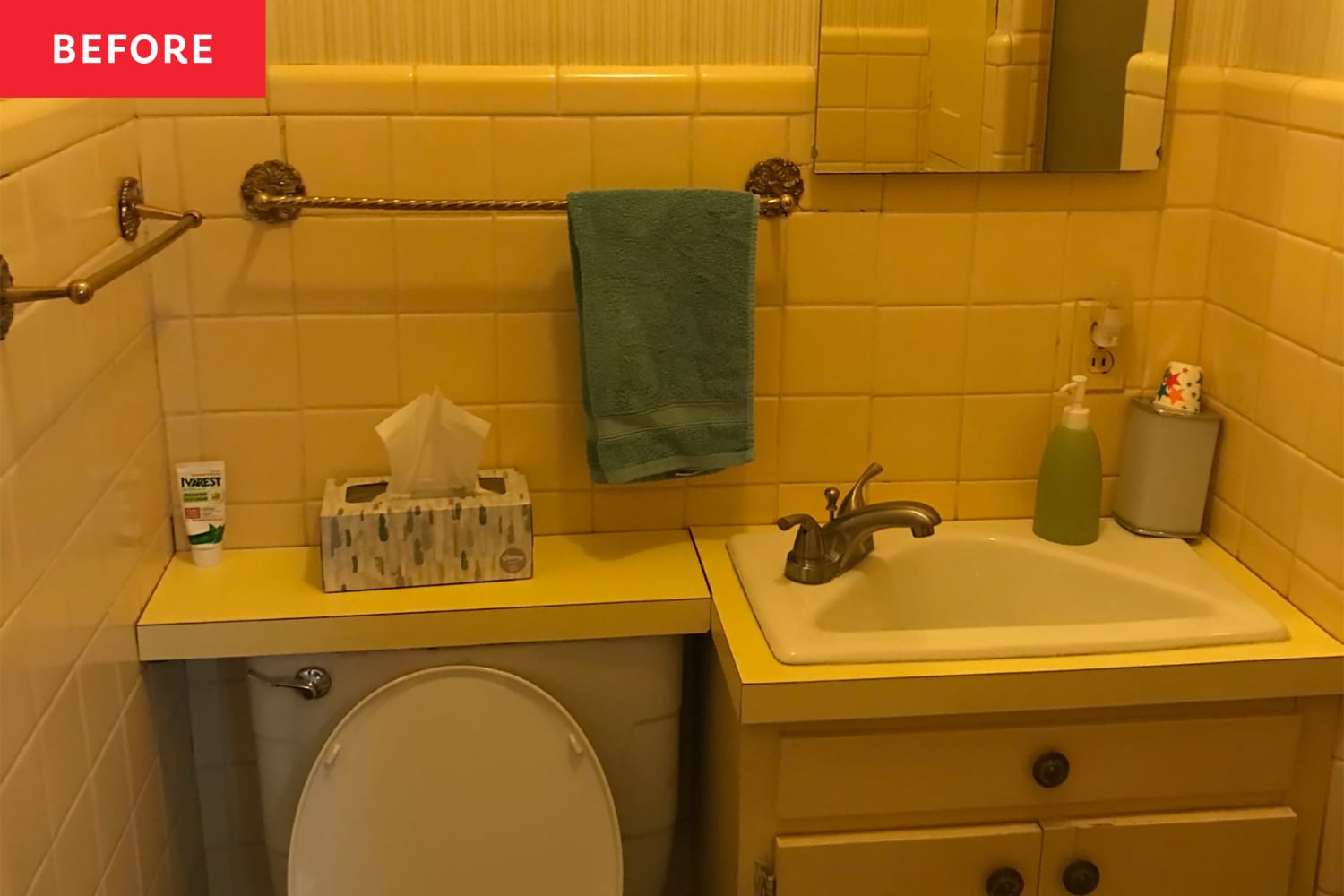
A dated, awkwardly laid-out bathroom can make even the most-used space feel anything but inviting. When homeowner Kiley Cutler decided to overhaul her main-level bath, her goal was simple: turn a yellow-toned, functionally flawed room into a cohesive, beautiful retreat for her family and guests.
What Happened
The renovation began with a full demo, stripping the space down to the studs. Kiley and her husband Pete removed the existing shower to convert the room into a powder room, a change that opened up the layout and improved flow. They repositioned the toilet to increase privacy, eliminated one of two confusing doors that never served the space well, and tore out dated, chipped flooring. New black-and-white tile replaced the old gray-blue floors, chosen as a lasting foundation the homeowner felt confident would age well.
To add warmth and texture, beadboard was installed and painted Sherwin-Williams' Mulberry Silk, a blush-meets-plum hue that Kiley loved so much she considered extending it to the ceiling. The real showstopper came next: a butterfly-printed wallpaper from The Home Depot, selected after an exhaustive search for something that could anchor the room's vintage mood without overwhelming it.
Why This Matters
Bathrooms are high-traffic rooms that deserve as much design attention as any living area, yet they're often overlooked in favor of more visible spaces. This makeover proves that thoughtful layout changes like removing a redundant door, shifting fixture placement, and investing in a bold yet timeless floor can dramatically improve how a room feels and functions. Details such as a thrifted mirror, a vintage-style sconce, and a wood toilet seat show how finishing touches pull a design together, transforming a space from merely functional to genuinely special.
Key Takeaways
- Removing unnecessary architectural elements, like a second door, can instantly improve a room's flow and feel.
- Converting underused features, such as an infrequently used shower, into a powder room maximizes utility.
- Investing in a durable floor finish, like black-and-white tile, provides a lasting base that withstands trends.
- Coordinated paint colors, such as Mulberry Silk, tie the space together and offer easy refresh options.
- Bold, unexpected wallpaper like butterfly prints can serve as a focal point without overpowering the room.
- Small details, from thrifted accessories to a wood toilet seat, are what make a bathroom feel intentionally designed.
Conclusion
Kiley Cutler's bathroom transformation shows that even a small, awkward space can become a standout room with the right mix of layout fixes, bold design choices, and attention to detail. The result is a bathroom that feels intentional, cozy, and perfectly suited to a busy household proving that great design isn't about square footage, but about thoughtful decisions.



Discussion
Join the conversation
Thoughtful reactions, questions, and follow-up ideas help shape the next story.