Introduction
Mississippi's 2026 Senate race has unexpectedly become one of the most watched contests this midterm cycle, driven by shifting demographics and former President Trump's enduring influence. With the state's massive Black population at the center of the fight, both parties are pouring resources into a contest that could redefine the region's political landscape.
What Happened
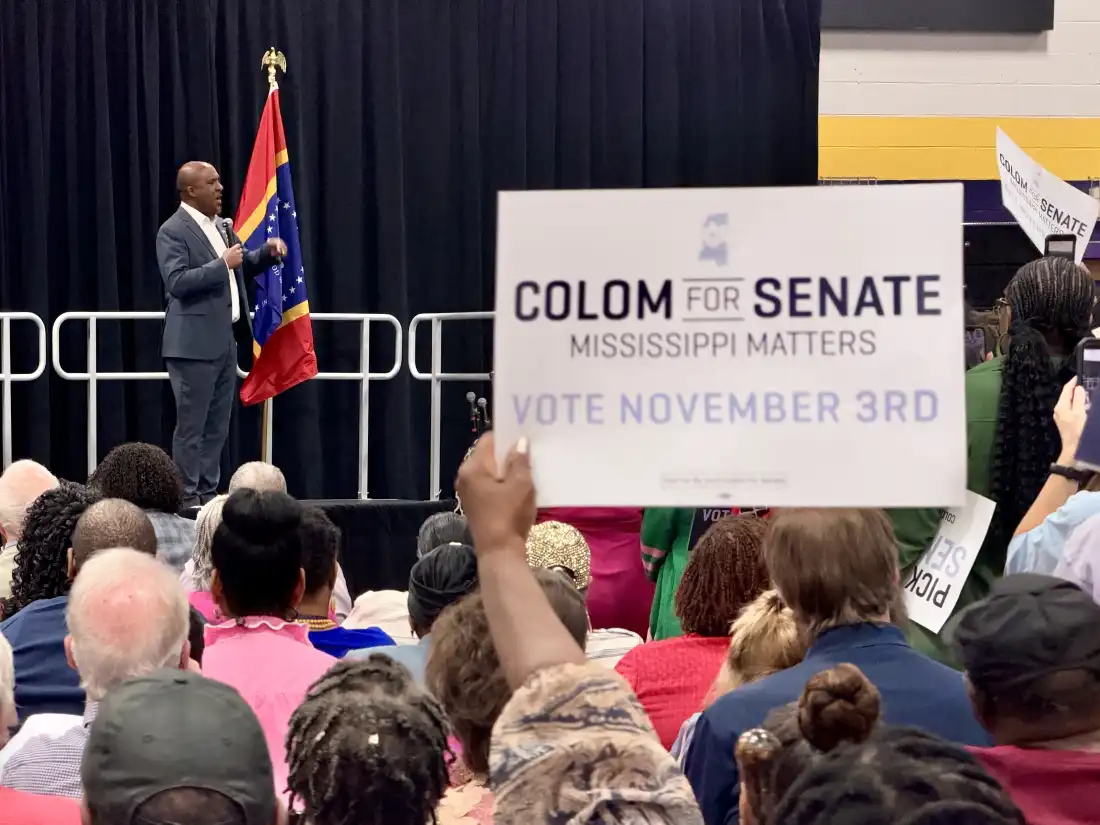
Democratic nominee Scott Colom, joined by former Vice President Kamala Harris, rallied thousands in Columbus, framing the election as a referendum on national direction. Meanwhile, Republican incumbent Cindy Hyde-Smith hosted former President Trump in Corinth, who framed the race as a choice between socialism and capitalism. Over the final weeks, national Democrats invested millions in ads labeling Colom the most radical Senate candidate in modern history, while Republicans countered with messaging tying Colom to unpopular national policies. Rallies, ad buys, and voter outreach defined the closing days, with Black voter turnout emerging as the decisive variable.
Why This Matters
Beyond the race itself, this contest serves as a test case for Black voting power in the South, where Republican-led mapmaking and voting-rights rollbacks have intensified scrutiny. A competitive showing by Colom would signal shifting demographics and voter fatigue with Trump-era politics, even in a deeply red state. The race also highlights how midterm dynamics, campaign spending, and turnout operations can reshape expectations in states long considered safe.
Key Takeaways
- Black voter turnout and demographic shifts are central to the race's competitiveness.
- Both campaigns invested heavily in media and ground game during the final stretch.
- Trump's presence galvanized Republican support while energizing Democratic opposition.
- A competitive showing could influence future redistricting and party strategy across the South.
- Voter fatigue and national sentiment weighed heavily on down-ballot races.
Conclusion
As Mississippians prepare to cast ballots, the Senate race stands as a barometer of the state's evolving political dynamics. Whether the red wall holds or cracks, the intense focus on Black voter engagement and national political currents ensures this contest will be closely watched beyond state lines. Results on November 3 will offer clues about the broader trajectory of midterm politics and Southern democracy.






Discussion
Join the conversation
Thoughtful reactions, questions, and follow-up ideas help shape the next story.