Introduction
Nigeria has long exported the majority of its cocoa beans in raw form, missing out on the lucrative downstream market. The Bank of Industry is changing that narrative with a ₦164 billion financing roadmap designed to accelerate local processing, empower smallholder farmers, and position Nigeria as a competitive player in the global cocoa value chain.
What Happened
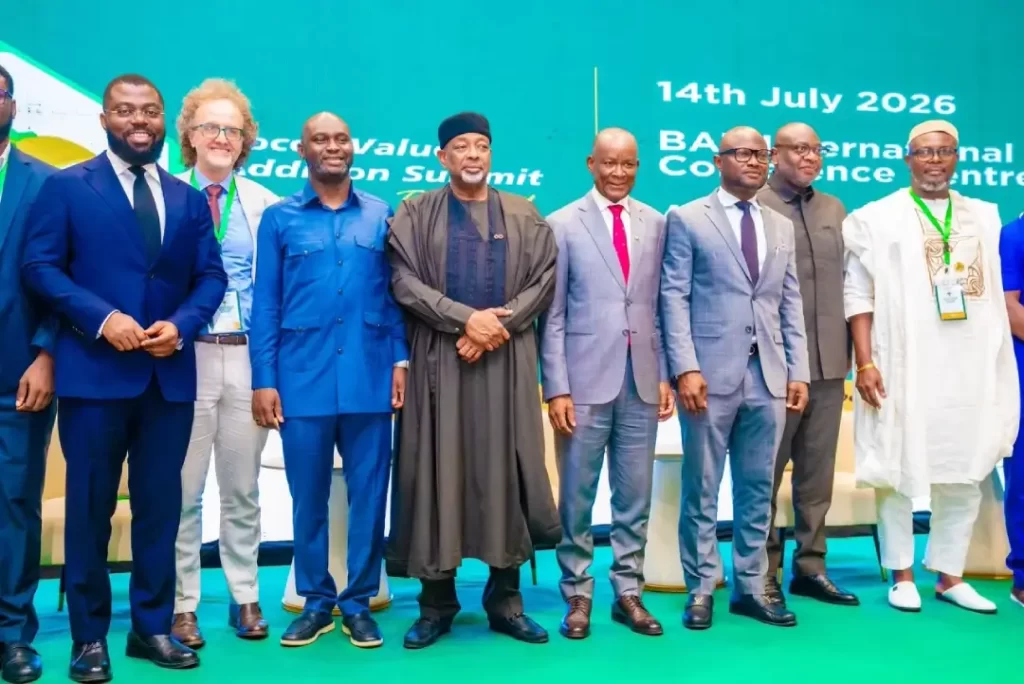
At the Cocoa Value Addition Summit in Abuja, Dr. Olasupo Olusi, Managing Director/Chief Executive Officer of the Bank of Industry, detailed the institution’s plan to transition Nigeria from a raw commodity exporter to a cocoa-processing hub. The initiative follows a ₦164 billion disbursement in 2025 that reached over 3,500 agro‑processing businesses and connected nearly 48,000 smallholder farmers to industrial value chains. A €60 million credit facility from the European Investment Bank further strengthens the ecosystem, targeting processors who must now compete with better‑financed multinationals. Key statistics underscore the gap: Nigeria produces more than 300,000 tonnes of cocoa annually but grinds only about 50,000 tonnes—a disparity wider than that of most major producing countries. The summit convened government leaders, development partners, and industry stakeholders to map a new path forward.
Why This Matters
Cocoa price swings have reshaped the industry landscape. Values surged past US$13,000 per tonne in December 2024, dipped to roughly US$3,000 in February 2026, and stabilized around US$6,000, illustrating the sector’s volatility and the urgency of securing Nigeria’s footing. The European Union’s deforestation‑regulation framework adds another layer, requiring traced, deforestation‑free origins—an opportunity for Nigeria to market premium, compliant cocoa. Beyond economics, closing the processing gap means job creation, import substitution, and stronger export earnings. By grinding beans domestically, Nigeria can multiply the export value of the same crop by two to four times, keeping more value within the economy.
Key Takeaways
- Expanding domestic grinding capacity—starting with cocoa powder, still imported despite abundant raw beans—could double or quadruple the export value of every tonne produced.
- Developing industrial ingredients such as couverture, compounds, and fillings for bakers, biscuit manufacturers, and dairies across Nigeria and West Africa remains a significant underserved market opportunity.
- Building a certified, traceable Nigerian cocoa brand will enable the country to command premium prices, starting domestically and expanding across Africa and international markets.
- BOI’s financing framework combines replanting finance aligned with the cocoa tree’s three‑to‑five‑year maturity, structured commodity finance using warehouse receipts and export prepayment, and patient‑term funding of seven to ten years for processing plants and ingredient manufacturing.
- A proposed Cocoa Value Addition Park would offer shared processing equipment, quality laboratories, reliable utilities, and digital traceability systems, supported by blended and concessional capital from development partners.
Conclusion
Dr. Olusi’s strategy makes clear that Nigeria’s next industrial chapter hinges on moving up the cocoa value chain. By financing processing infrastructure, supporting smallholder networks, and building a traceable, premium‑grade brand, the country can transform its cocoa endowment into sustained economic growth, skilled employment, and stronger global competitiveness. The ₦164 billion commitment is not just a financial figure—it is the foundation for a more resilient, value‑driven cocoa industry.


Discussion
Join the conversation
Thoughtful reactions, questions, and follow-up ideas help shape the next story.