Introduction
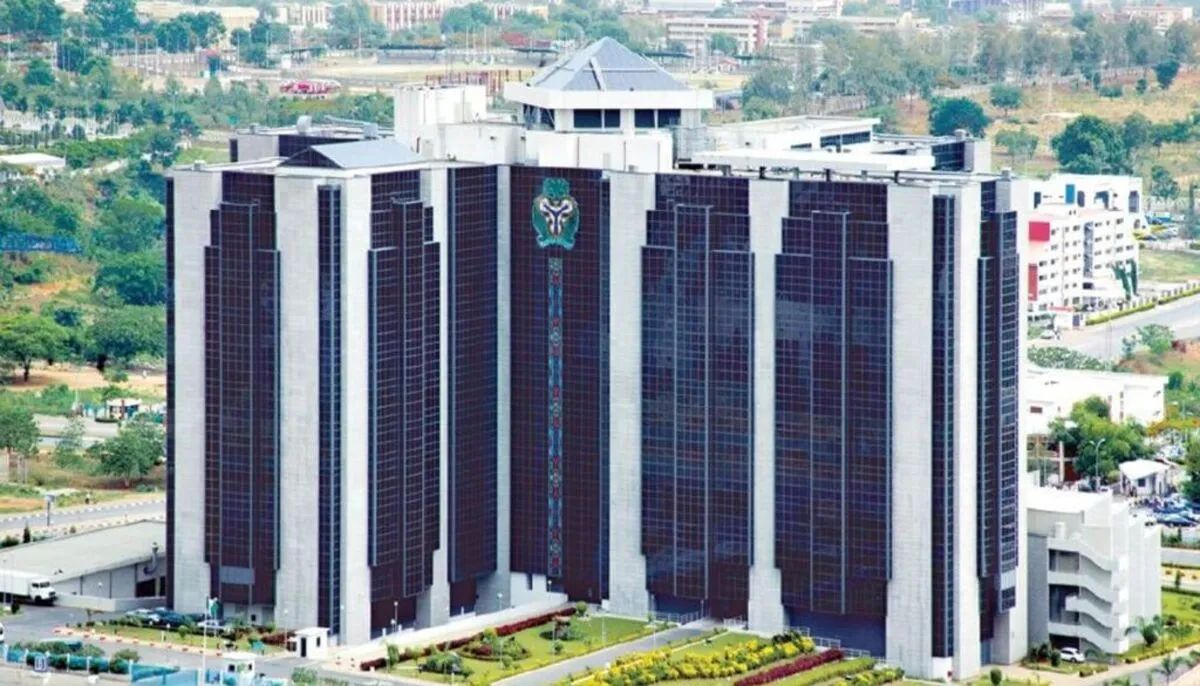
The Central Bank of Nigeria has released its latest credit conditions survey for the third quarter of 2026, painting a picture of a banking system that is becoming more willing to lend. According to the report, deposit money banks expanded credit availability across secured, unsecured, and corporate loan categories even as businesses and households signaled stronger appetite for borrowing. The findings arrive shortly after the central bank reduced its benchmark interest rate, adding a layer of complexity to how credit is priced and distributed across the Nigerian economy.
What Happened
The CBN’s Q3 2026 Credit Conditions Survey shows that banks reported higher credit availability in all three major lending segments. Demand indices also moved upward, though not every loan type benefited equally. For secured lending, the overall index reached 25.6, driven by household consumer loans at 42.9 and house purchase credit at 28.0. Mortgage and re-mortgage activity registered 12.0, while household lending to small businesses contracted with a reading of -19.7.
Unsecured lending posted a headline index of 7.2. Overdrafts and personal loans to households increased to 24.7, but credit card demand fell to -20.0. In the corporate segment, the index stood at 18.9. Loans to small businesses reached 22.6, medium-sized private non-financial corporations recorded 18.3, and large private non-financial corporations came in at 20.7. Credit to other financial corporations declined to -16.2.
Banks cited shifting economic outlooks, liquidity positions, and market share goals as reasons for expanding secured credit. Unsecured growth was supported by similar factors along with funding costs and availability. Corporate borrowers pointed to inventory finance, balance sheet restructuring, and capital investment as key demand drivers.
Approval rates improved across secured, unsecured, and corporate books compared with the previous quarter. At the same time, the gap between lending rates and the Monetary Policy Rate widened in several areas. Secured lending spreads moved to -14.5 index points, while corporate spreads for medium-sized firms, other financial corporations, small businesses, and large firms registered -13.6, -12.2, -11.0, and -10.3 points respectively. Unsecured rate spreads remained flat. Default rates, meanwhile, edged lower across the major categories.
Why This Matters
The survey lands at a pivotal moment for Nigerian businesses and households. The Monetary Policy Committee cut the benchmark rate by 350 basis points to 23 percent in September 2026, and the central bank also adjusted the interest rate corridor while keeping cash reserve requirements steady at 45 percent for commercial banks and 16 percent for merchant banks. Despite the policy easing, outstanding private sector credit slipped to N83.93 trillion in September from N84.47 trillion in August.
For manufacturers, the credit environment remains tight. Industry data cited in the broader economic context shows manufacturing credit fell by N1.92 trillion between December 2024 and December 2025. Business groups have warned that further monetary tightening could strain recovery efforts, making the CBN’s latest survey an important signal about whether banks are passing on cheaper funding to borrowers.
Key Takeaways
- Nigerian banks expanded credit availability across secured, unsecured, and corporate lending in Q3 2026.
- Loan demand rose overall, with household consumer loans and overdrafts showing particularly strong indices.
- Approval rates increased across all three main lending categories compared with the previous quarter.
- Lending rate spreads widened against the Monetary Policy Rate for several secured and corporate segments, while unsecured spreads were unchanged.
- Default rates declined across secured, unsecured, and corporate portfolios.
- The survey follows a 350-basis-point cut to the MPR, which now stands at 23 percent.
- Private sector credit dipped slightly in September 2026 despite the more accommodative policy stance.
Conclusion
The CBN’s Q3 2026 credit survey suggests Nigerian banks are opening their lending books wider, even as the cost of borrowing remains uneven across different parts of the economy. While higher approvals and lower defaults offer some encouragement, the widening gap between market lending rates and the policy benchmark indicates that monetary easing has not fully translated into cheaper credit for every borrower. Businesses and households will be watching closely to see whether the September rate cut eventually broadens access to affordable financing in the quarters ahead.
Discussion
Join the conversation
Thoughtful reactions, questions, and follow-up ideas help shape the next story.