Introduction
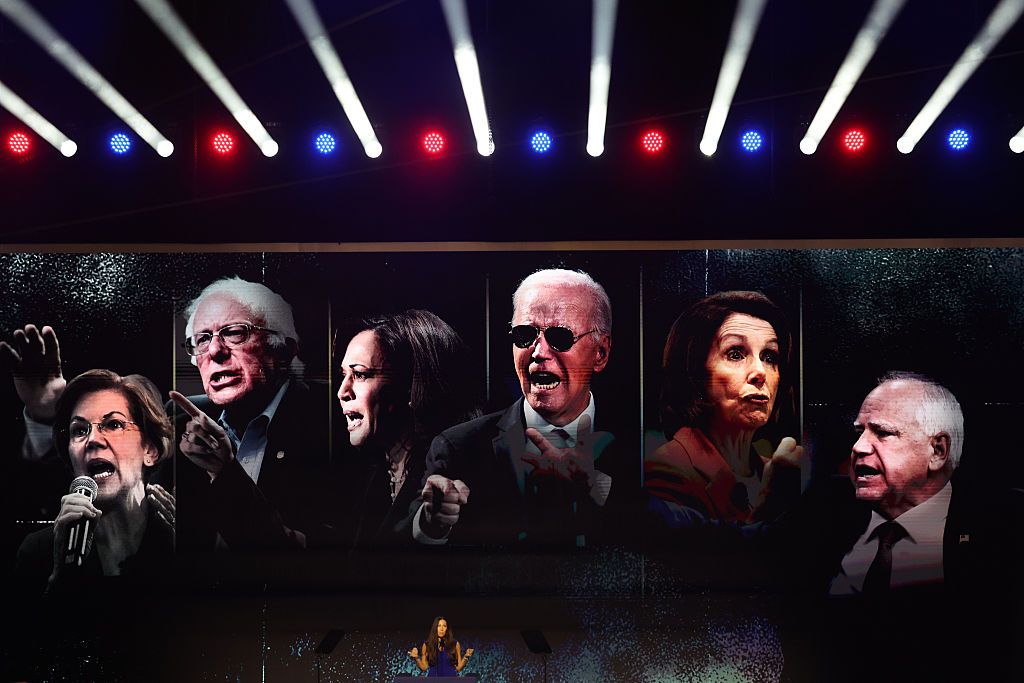
Recent commentary from prominent centrist figures has sparked debate by suggesting that the American public may be participating in politics more than is ideal. The argument frames widespread civic engagement as a potential obstacle to stable governance, proposing that decision-making should remain concentrated among established elites rather than the broader electorate.
What Happened
Over the past two years, liberal centrist writers have publicly called for reduced political participation, with some going so far as to suggest fewer engaged citizens benefit the system. Notable figures have argued that grassroots momentum, particularly through small-dollar fundraising, pushes parties away from the preferences of the political center and toward liberal priorities. The Abundance Network went further, asserting that widespread small-dollar giving makes politics dumber by favoring liberal donors over median-voter alignment. This sentiment echoes a broader effort to recalibrate democratic participation toward elite control.
Why This Matters
Critics argue that the push to limit public involvement is not merely strategic but fundamentally undemocratic. By framing mass participation as a problem, these narratives risk eroding the organizing capacity that built the postwar liberal order—unions, civil rights groups, and state party infrastructure. The underlying premise—that a class of technocratic experts should steer policy while the public steps back—directly contradicts the postwar consensus that positioned democracy as the senior partner to free markets. When centrist platforms attack grassroots fundraising or dismiss the common good as cult-like, they signal a shift away from popular sovereignty.
Key Takeaways
- Centrist liberal writers are increasingly framing mass political participation as a liability rather than a strength.
- Attacks on small-dollar donors are framed as pragmatic but ultimately serve wealthy donor interests.
- The postwar liberal order, built on organized labor and civil rights infrastructure, is being deliberately dismantled.
- Narratives that depict the public as too engaged risk normalizing elite control over democratic processes.
- The tension between elite-driven governance and popular participation will shape the future trajectory of American democracy.
Conclusion
As the boundary between acceptable and excessive participation is redefined, the stakes for democratic health have never been higher. The current moment forces a choice: preserve a system where ordinary citizens hold real power, or accept a model where governance is left to a narrow technocratic class. History suggests that when people are told to step back, the gap between those who rule and those who are ruled only widens.

Discussion
Join the conversation
Thoughtful reactions, questions, and follow-up ideas help shape the next story.