Introduction
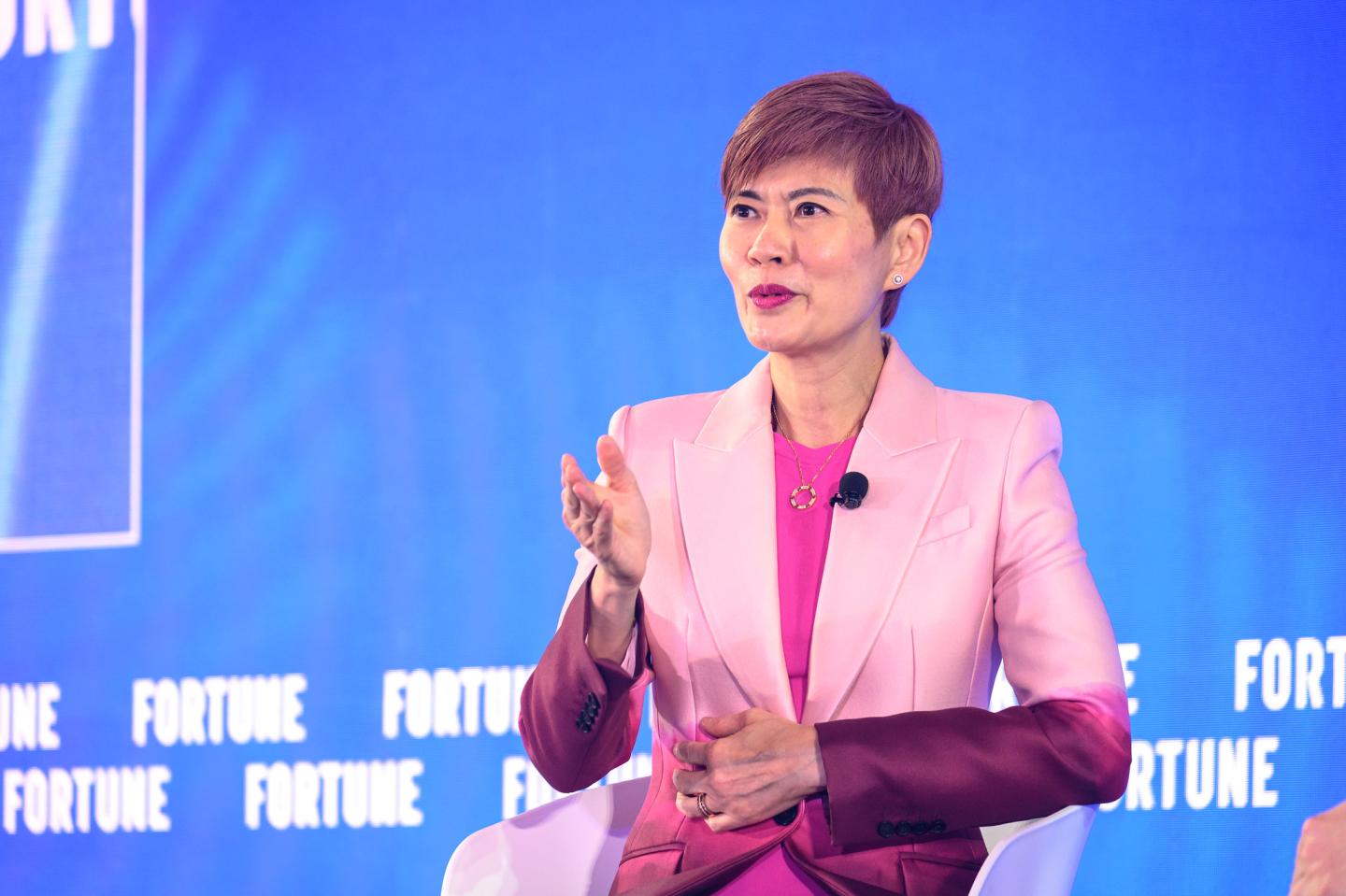
When Fortune convened over 500 global executives, founders, and policymakers at the inaugural Leaders Forum in Macau, the central theme was clear: artificial intelligence is fundamentally redefining the nature of leadership. Against a backdrop of accelerating AI breakthroughs, rising geopolitical tensions, and shifting demographics, CEOs gathered to confront how they can build strategies for an uncertain future while the path ahead remains unwritten.
What Happened
At the event, ServiceNow's Asia managing director Melissa Ries noted that while a majority of companies have deployed AI agents, only a small fraction have fundamentally restructured their operations, revealing a widespread efficiency-first mindset. AS Watson Group CEO Malina Ngai cautioned that relying on AI to merely tweak current processes yields diminishing returns, urging leaders to seek genuine reinvention instead. Walmart China President Christina Zhu stressed that AI should enhance and human insight, pointing out that transaction data reveals purchasing patterns but not the deeper unmet needs that only direct customer understanding can uncover. Syngenta Group's CIO Feroz Sheikh outlined the shift from rigid, monolithic systems to flexible modular architectures, enabling supply chains and tech stacks to pivot quickly with market demands. Meanwhile, HP Asia head Michael Boyle emphasized the need to blend human talent with machine automation rather than simply rework existing processes with AI. On the market front, Uber CEO Dara Khosrowshahi announced plans to redirect savings from roughly 3,300 corporate job cuts toward lower rider fares and improved selection, acknowledging intensifying pressure from autonomous-vehicle competitors.
Why This Matters
As knowledge becomes widely commoditized and high-caliber analysis becomes increasingly affordable, the true competitive advantage shifts to judgment, strategy, and the human capacity to interpret what data alone cannot reveal. IMD professor Tim Quigley argued that a CEO's judgment stands as the single most valuable leadership asset, a sentiment echoed by BCG's Carol Liao, who identified a growing premium on high-impact decisions. IDEO's Becca Carroll described how AI is creating the rise of professionals with depth across multiple disciplines who can fluidly move between them. Black Lake Technologies CEO Yuxiang Zhou disclosed that AI agents are already training sales teams with outcomes exceeding those of human managers, indicating that the future of leadership depends on how strategically leaders integrate AI rather than simply deploy it. These conversations collectively signal that the most significant risk isn't adopting AI, but using it to entrench the present rather than imagine what's possible.
Key Takeaways
- AI as a reinvention catalyst: Moving beyond efficiency gains to redesign workflows and customer experiences.
- Human insight remains irreplaceable: Data reveals choices, but only people uncover unmet needs and emotional motivations.
- Modular systems over monoliths: Adaptable tech stacks enable faster response to market shifts.
- Judgment as a scarce resource: In an AI-saturated world, strategic decision-making differentiates great leaders from good ones.
- The comb-shaped leader: Cultivating breadth across disciplines while maintaining deep expertise in key areas.
Conclusion
The messages from Fortune's Leaders Forum make one thing clear: AI's greatest potential lies not in automating the status quo, but in unlocking new ways of working, thinking, and serving customers. As the business landscape accelerates, leaders who treat AI as a transformation partner rather than a shortcut will shape the next era of growth.


Discussion
Join the conversation
Thoughtful reactions, questions, and follow-up ideas help shape the next story.