Introduction
Recent fieldwork at a remote Turkish site has uncovered charred timber buried nearly 30 feet below the surface, sparking fresh discussion about one of history's most enduring legends. Scientists say the discovery could provide new context for an ancient narrative that has fascinated researchers for decades.
What Happened
The discovery came from the Durupinar formation, a large boat-shaped structure situated roughly 18 miles south of Mount Ararat. Employing specialized radar systems, Dr. Khosrow Bakhtar and the Noah's Ark Scans team identified organized patterns, chambers, and a central tunnel beneath the ground, insisting the features are not natural geology. Wood samples collected during drilling have been forwarded for scientific analysis to determine their age and origin.
Why This Matters
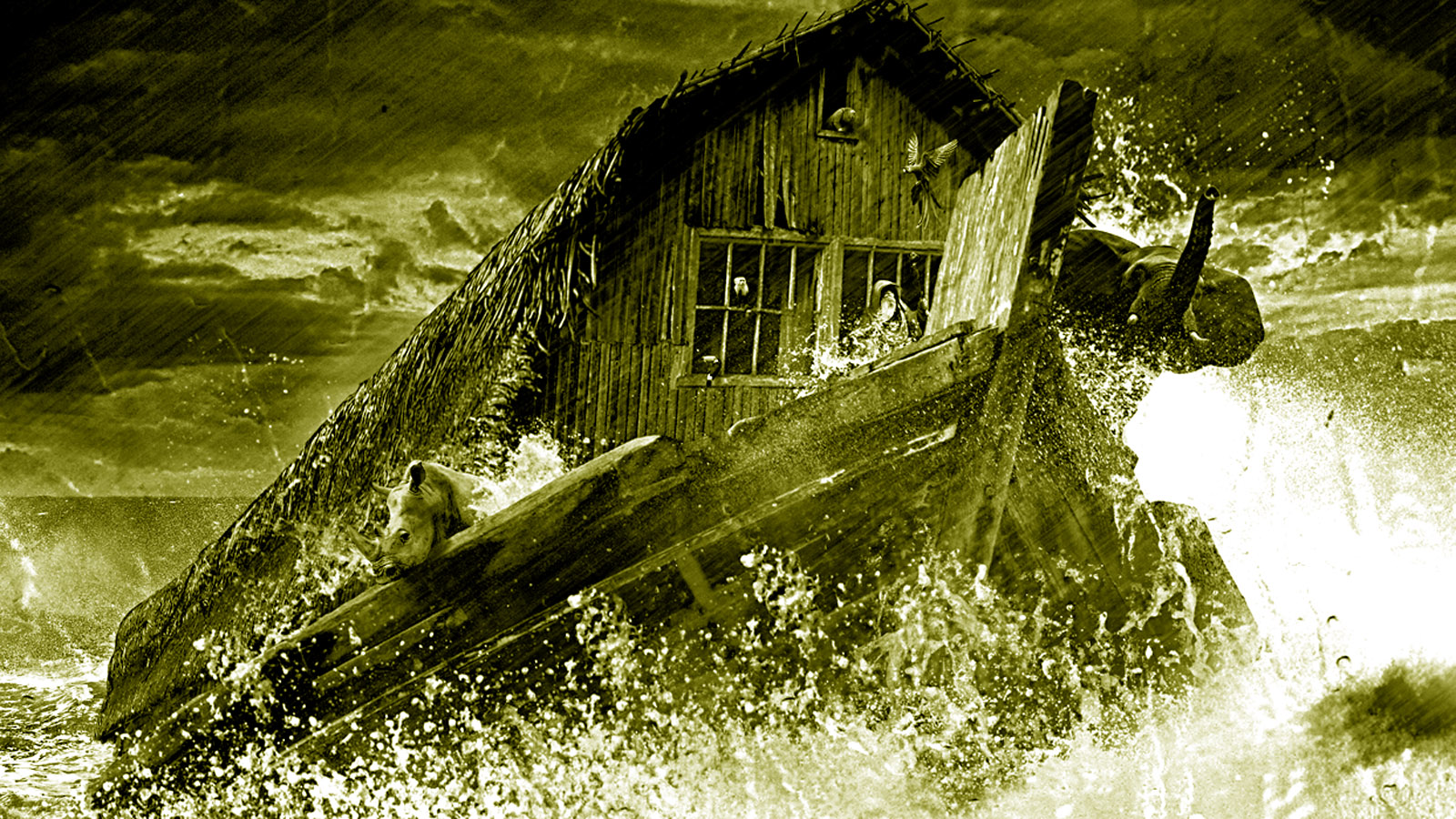
If verified, the find could intersect with the biblical account of Noah's Ark, which describes a three-deck vessel built to survive a great flood. Radar scans reportedly revealed three distinct levels within the formation, matching the scriptural description. The site has also drawn interest from intelligence agencies and scientific teams since the 1950s, declassified records show.
Key Takeaways
- Charred wood recovered 30 feet underground at the Durupinar formation
- Radar data indicates organized patterns and a central corridor through the structure
- Three layered features align with biblical descriptions of Noah's Ark
- Carbon-14 dating results are pending; conclusions remain unverified
- Skeptics suggest the timber could originate from an ancient campfire or natural processes
- The location has been a focus of exploration for both academic and intelligence communities
Conclusion
The latest anomaly at Durupinar continues a decades-long quest, but researchers emphasize that charred timber alone does not confirm the biblical narrative. As lab results approach, observers will watch to determine whether the site yields definitive evidence or remains an enduring mystery.







Discussion
Join the conversation
Thoughtful reactions, questions, and follow-up ideas help shape the next story.