Introduction
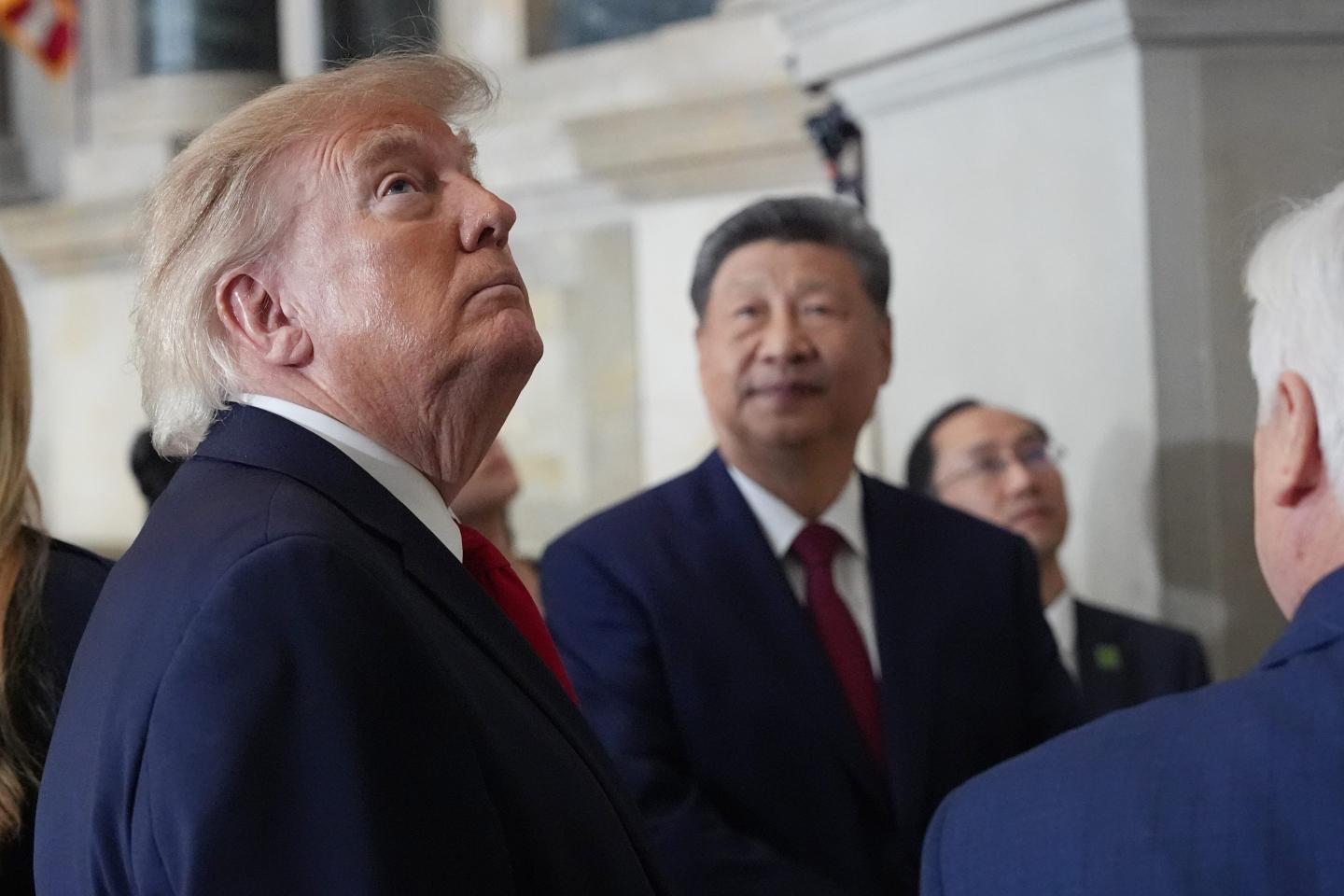
Leaders from China and the United States concluded a three-day summit in Washington, marking the latest effort to manage rising tensions and establish structured dialogue across critical issues. The meetings produced a series of incremental agreements aimed at reducing friction in areas ranging from artificial intelligence to trade and military communications.
What Happened
The two nations agreed to establish a dedicated communication channel for artificial intelligence-related incidents, with a scheduled dialogue set for November. A memorandum of understanding on military crisis communications was also signed, though Chinese officials provided only a one-page readout light on specifics. On the economic front, both sides extended a trade truce by two months, reducing tariffs on roughly $30 billion worth of goods, primarily non-sensitive items such as agricultural products and holiday decorations. Additionally, China committed to importing at least 10 million metric tons of coal from the United States in 2027 and 2028. The White House also confirmed progress on rare earths supply chains, noting that export controls imposed last year would be addressed through ongoing consultations. Separately, both countries welcomed China's move to add export controls for two precursor chemicals linked to fentanyl, citing recent law enforcement arrests.
- New AI incident communication channel to launch with a November dialogue
- Military crisis memorandum signed, though details remain sparse
- Tariff reductions on $30 billion of goods extended through a two-month truce
- China pledged to import 10 million metric tons of U.S. coal in 2027 and 2028
- Rare earths supply chain talks underway after China's 2023 export controls
- Fentanyl precursor controls expanded, with law enforcement arrests reported
Why This Matters
While the summit did not resolve the fundamental disagreements between the world's two largest economies, the established mechanisms signal a commitment to prevent miscalculation and manage competition through institutionalized dialogue. The AI safety channel aims to reduce risks from rapidly advancing technology, and the military crisis communication line is intended to lower the chance of accidental escalation. Trade adjustments and supply chain discussions directly affect global markets, particularly in energy and critical minerals. The agreements also set the stage for future negotiations at upcoming international forums, including the APEC summit and the G20 meeting.
Key Takeaways
The latest round of China-U.S. talks produced several concrete outcomes despite the absence of breakthroughs on core disputes. Key results include the establishment of a new AI safety dialogue, a military crisis communication framework, and continued tariff reductions on billions of dollars in goods. Both sides also reaffirmed commitments to supply chain dialogue and upcoming multilateral forums, suggesting a path toward more predictable engagement.
Conclusion
The latest China-U.S. summit may not have broken new ground on core disputes, but the agreed-upon channels and incremental trade measures represent a step toward more predictable and structured engagement. By formalizing dialogue on AI, military crises, and supply chains, both sides signal an intent to keep competition from spiraling into conflict. Observers will watch whether these mechanisms translate into concrete results at the next round of international talks.



Discussion
Join the conversation
Thoughtful reactions, questions, and follow-up ideas help shape the next story.