Introduction
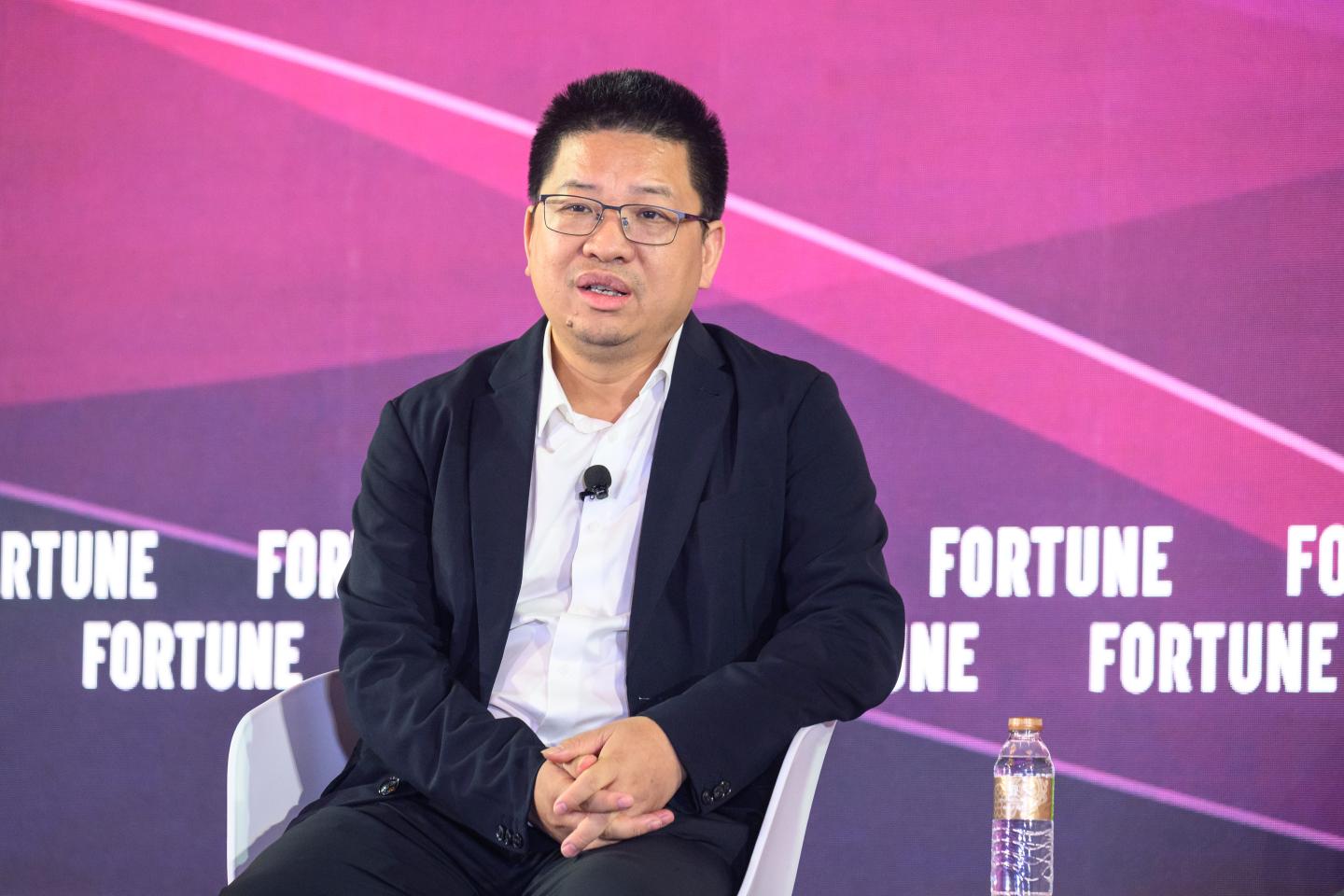
China is expanding renewable capacity at an unprecedented pace, but this rapid growth has created a surplus that the grid struggles to absorb. At the Fortune Leaders Forum in Macau, industry leaders suggested artificial intelligence could transform this excess capacity into a managed, efficient asset rather than a liability.
What Happened
According to the International Energy Agency, China is projected to account for 60 percent of all installed renewable capacity by 2030. In July, solar surpassed coal to become China's largest source of installed power capacity. Last year, renewables met all of China's new electricity demand, but production has since exceeded market needs, resulting in a genuine overcapacity situation. Industry leaders at the forum warned that while the grid remains robust, it must now handle an influx it wasn't originally designed to manage. Jiangxing Intelligence introduced an AI brain that monitors environmental conditions around solar farms and wind parks, using real-time data to optimize collection and storage. The system also directs autonomous robots and drones to clean panels buried by wind and sand, reducing the need for manual labor in remote areas. Panelists emphasized that AI can forecast wind and solar output based on meteorological patterns, helping operators decide when to store or release power.
Why This Matters
The overcapacity problem extends well beyond China's borders. Southeast nations like the Philippines and Indonesia face geographic hurdles, with thousands of islands making grid connectivity a major challenge. Meanwhile, Chinese factories relocating to the region bring energy-hungry data centers that currently rely on traditional power sources like coal. Experts note that India is making strides in renewables despite persistent coal demand, showing how different countries prioritize the transition for reasons ranging from energy security to climate goals. AI-driven forecasting and automation, panelists argued, could help level the playing field by making intermittent renewables more predictable and reducing reliance on expensive manual maintenance, especially in hard-to-reach locations.
Key Takeaways
- China's renewable build-out is outpacing grid capacity, creating overcapacity that threatens efficiency.
- AI and automation offer a way to forecast supply, optimize storage, and maintain assets without heavy human labor.
- Drones and robotic systems can clean solar panels and inspect wind turbines in remote or harsh environments.
- Southeast Asia's fragmented geography presents a unique barrier to unified renewable grids, but also a chance for localized AI solutions.
- The energy transition narrative varies by nation: some focus on security, others on future growth, but all are actively integrating more renewables.
Conclusion
The race to expand clean energy is no longer just about building more—it's about managing what's already online. As China grapples with its own surplus, the industry is turning to AI to bring intelligence, stability, and efficiency to a system under pressure. If the strategies discussed at the Fortune Leaders Forum gain traction, the next phase of the energy transition could be defined not by how fast we build, but by how smart we operate.



Discussion
Join the conversation
Thoughtful reactions, questions, and follow-up ideas help shape the next story.