Introduction
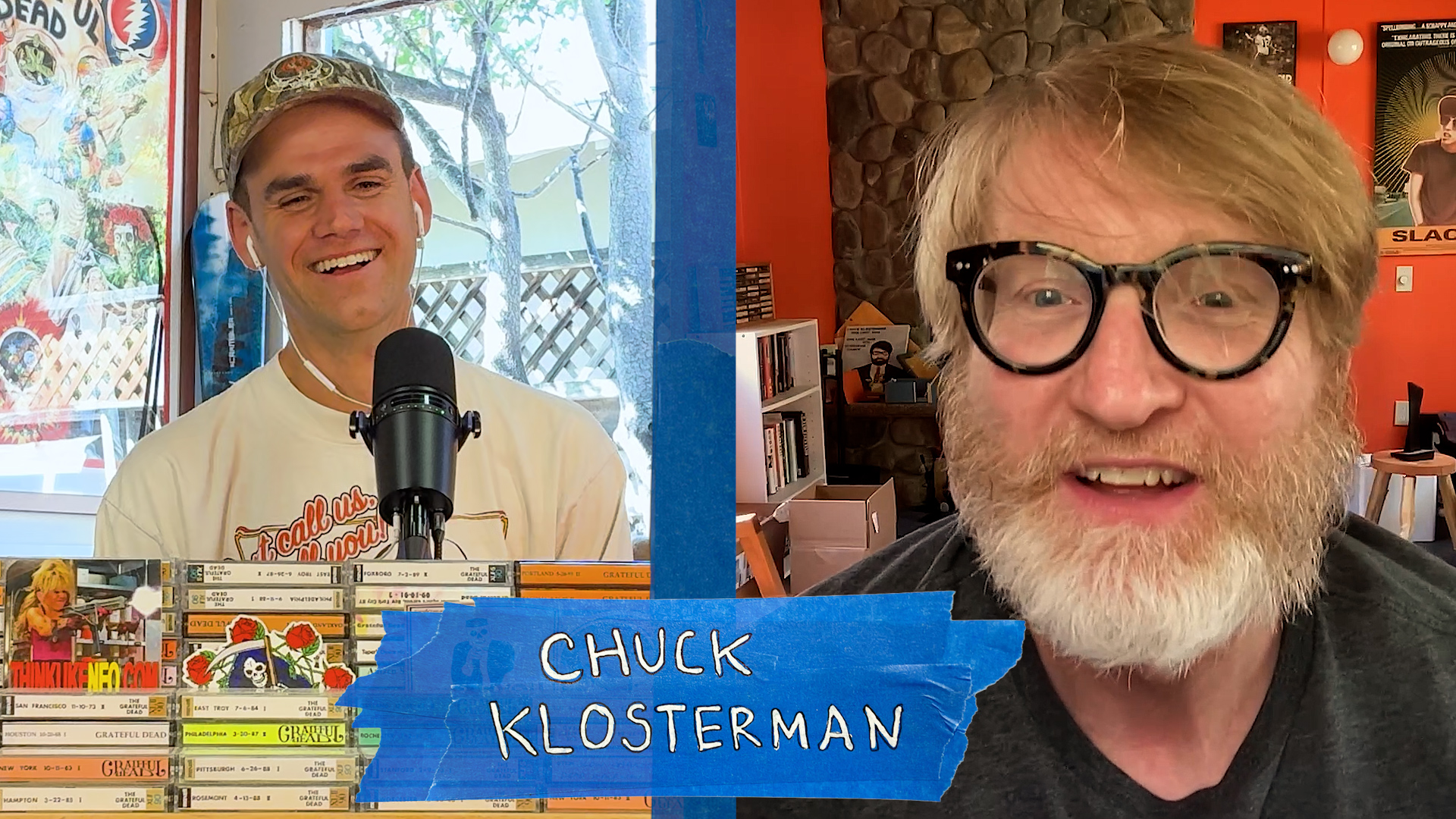
The conversation between Chuck Klosterman and Tom Brady has become a notable moment in sports media history, not just for what was said, but for what was left unsaid. In a 20-minute phone call arranged during the height of Deflategate, Brady's refusal to engage opened more questions than it answered.
What Happened
The interview was scheduled under difficult circumstances. Klosterman had planned to visit Brady at his home and in Boston, but both fell through, leaving a phone conversation while Brady drove to practice as the only option. The context was Deflategate, the January 2015 AFC Championship controversy surrounding underinflated footballs. Klosterman said he knew he had to cut through the conversation quickly. When he asked about Brady's involvement, the quarterback declined, citing legal reasons. He told Klosterman he could not answer it for legal reasons. Instead of a denial, the exchange became repetitive and escalating, with neither side breaking through.
Why This Matters
This moment highlights the tension between athletes and media when legal or contractual concerns override transparency. Klosterman observed that Brady's response prevented a deeper exploration of the incident's origins. The refusal also underscores how access shapes narrative—when a subject declines to engage, the story shifts from details to the refusal itself. For journalists, it's a reminder that the wall you hit can become the story you publish.
Key Takeaways
- Klosterman expected a denial that would have unlocked the mechanics of Deflategate, but Brady's non-cooperation closed that door.
- The interview is remembered not for its answers, but for the dynamic of a subject declining to engage.
- Klosterman later refined his approach for guarded subjects, laying ground rules upfront so both parties know the conversations boundaries.
- He notes that Kobe Bryant responded positively to this honest, boundary-first method, suggesting respect and clarity can yield better access.
- Despite the interview's outcome, Klosterman remains bullish on Brady's broadcasting work, praising his film knowledge and analysis skills.
Conclusion
What began as a straightforward sports interview turned into a case study in access, resistance, and how much—or how little—a single refusal can reveal. Klosterman's account offers a rare behind-the-scenes look at how media moments unfold when a subject chooses silence over explanation. For readers and writers alike, it's a reminder that what isn't said carries as much weight as what is.





Discussion
Join the conversation
Thoughtful reactions, questions, and follow-up ideas help shape the next story.