Introduction
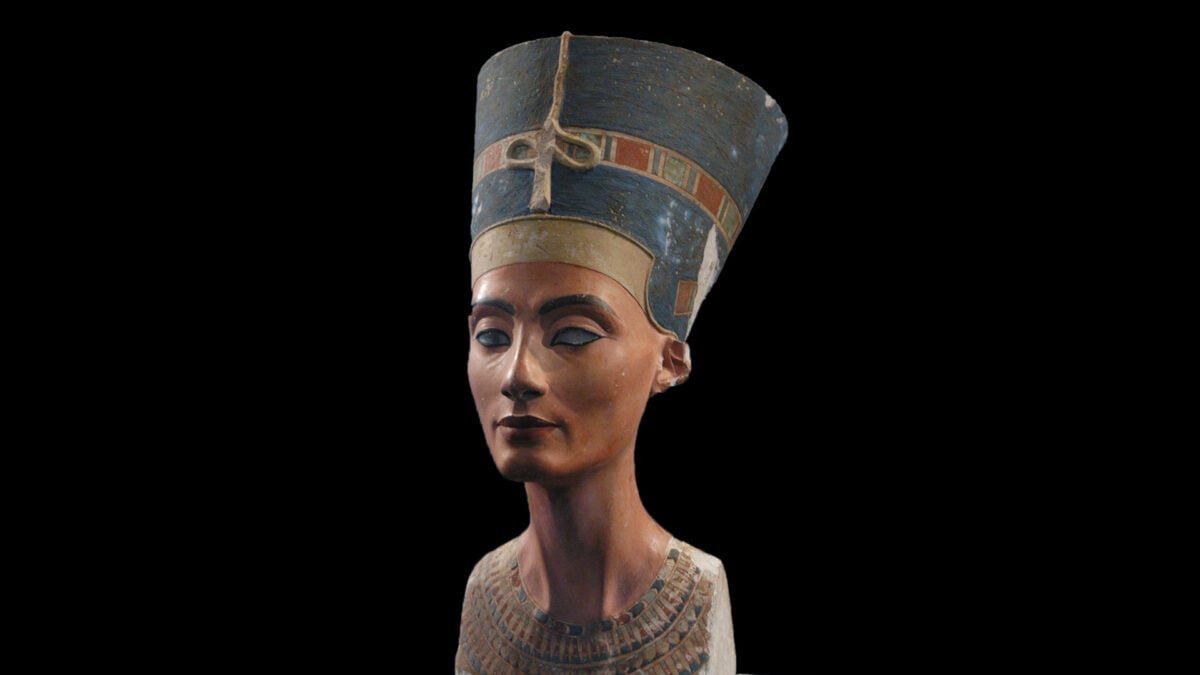
Fresh geophysical data is reigniting one of archaeology's most compelling questions, suggesting King Tutankhamun's tomb may conceal Queen Nefertiti's burial.
What Happened
When Howard Carter uncovered Tutankhamun's tomb in 1922, he documented over six hundred artifacts alongside the young pharaoh's remains. Yet the tomb's unusual architecture has long puzzled researchers. In 2015, Egyptologist Nicholas Reeves proposed that secret chambers might lie beyond the burial walls, possibly housing Nefertiti's remains. Subsequent studies, including a 2024 review by the Amarna Royal Tombs Project, have compiled geophysical data supporting this radical hypothesis, reigniting debate among specialists.
Why This Matters
Significant implications surround this discovery. Tutankhamun's tomb deviates from standard royal designs, featuring a left-turning corridor that aligns more closely with queenly monuments, particularly those of Hatshepsut. Geophysical surveys using microgravimetry and ground-penetrating radar reveal voids extending roughly 25 to 30 meters north of the tomb, with five to six chambers likely connected by rubble-filled passageways. If confirmed, the discovery would not only locate Nefertiti's long-lost burial but also reshape our understanding of the Amarna period's royal dynamics and religious upheaval.
Key Takeaways
- New geophysical data from 2023-2024 identifies likely hidden chambers north of KV 62.
- The tomb's unusual left-turning design mirrors queenly burial patterns, not typical kingly layouts.
- Nefertiti's burial site remains undiscovered, though architectural and decorative clues strongly point to her involvement.
- Further excavation could unlock one of the most transformative archaeological finds in modern history.
Conclusion
Whether King Tut's tomb ultimately proves to be a repurposed queen's burial or a uniquely pharaonic site, the ongoing investigation underscores the dynamic nature of archaeology. As researchers prepare for the next phase of exploration, the world watches closely, because the most significant discoveries often lie hidden beneath layers of history, waiting to rewrite the past.



Discussion
Join the conversation
Thoughtful reactions, questions, and follow-up ideas help shape the next story.