
Introduction
Aliko Dangote's fertiliser division is set for a public debut in 2028, marking another milestone in his industrial empire's expansion. The move follows the blockbuster IPO of the Dangote Petroleum Refinery and signals a new chapter in African-owned industrial equity.
What Happened
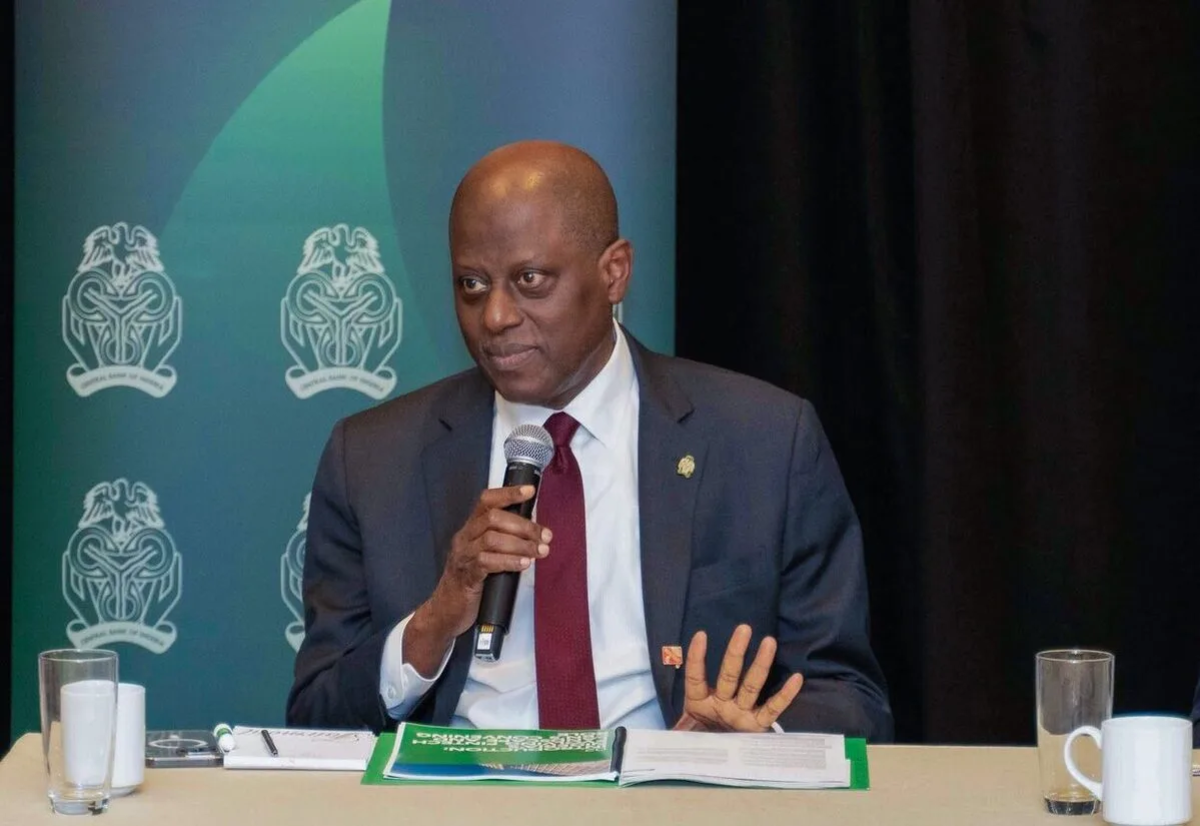
At the Qatar Economic Forum UNGA Special Edition in New York, Dangote Group President and CEO Aliko Dangote revealed plans to take the fertiliser business public in 2028. The current Lagos plant, a $2.5 billion facility, produces about three million tonnes of urea annually, and the group aims to scale output to 12 million tonnes while adding potash, phosphate, and 2.2 million tonnes of diammonium phosphate (DAP) production. The expansion is framed as a step toward ending Africa's reliance on imported agricultural inputs.
Why This Matters
The fertiliser IPO underscores Africa's push to reduce import dependence, especially after supply shocks during the Russia-Ukraine crisis exposed the continent's vulnerability. Dangote argues that with the group positioned to satisfy more than 40 per cent of Africa's demand, the listing could break the cycle of exporting raw materials and importing finished goods. A projected $46 billion to $50 billion investment across the continent reflects confidence in Africa's growing population and consumer market.
Key Takeaways
- Dangote Fertiliser targets a 2028 IPO to become the world's largest fertiliser company by output
- Expansion plans include scaling urea production from 3 million to 12 million tonnes annually
- Group commits $46 billion to $50 billion in continental investments
- The refinery IPO saw $3.7 billion demand against a $2.5 billion target, now aiming for 10 million shareholders
- Humorous meme culture around new retail shareholders highlights growing public interest in African industrial equity
- Dangote Refinery expansion to 1.4 million barrels per day by late 2028 or early 2029
Conclusion
With the 2028 fertiliser IPO on the horizon, Dangote is positioning his group as a cornerstone of Africa's industrial renaissance. The initiative promises to deepen local ownership, reduce import reliance, and set a new benchmark for continent-scale industrial investment, driven by the same investor appetite that powered the refinery offering.

Discussion
Join the conversation
Thoughtful reactions, questions, and follow-up ideas help shape the next story.