Introduction
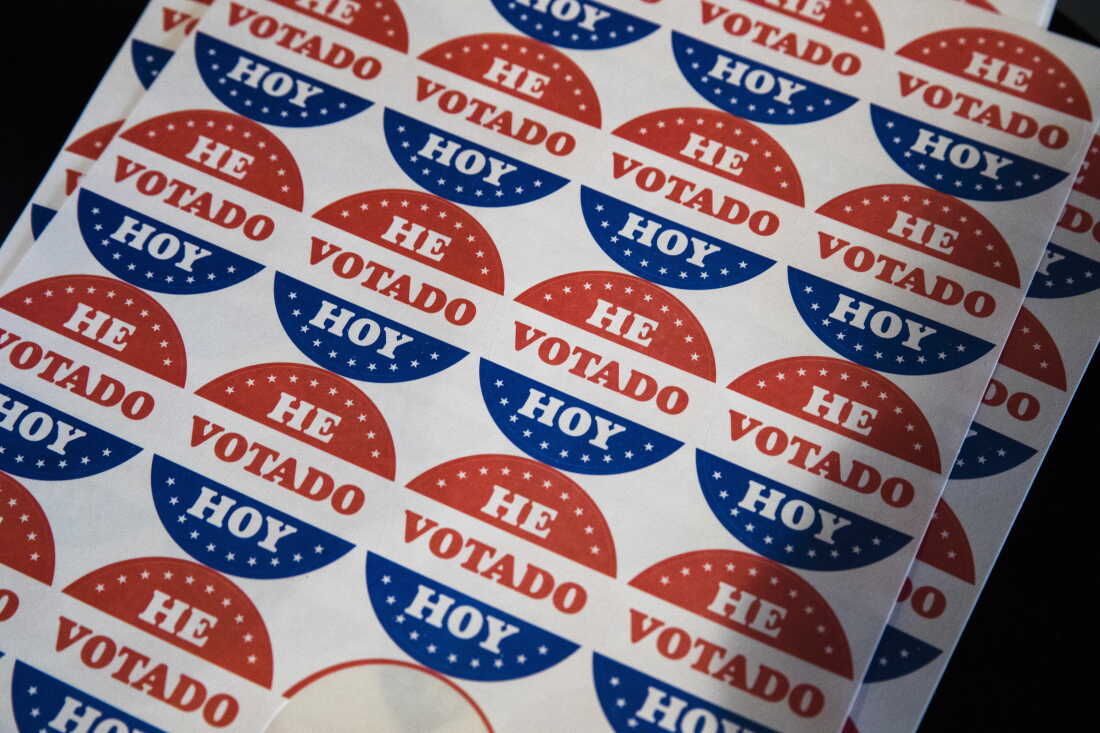
Democrats are facing a significant realignment among Latino voters, a demographic that once leaned reliably toward the party but has shown signs of erosion in recent election cycles. In response, the party is increasingly turning to social media influencers and content creators to bridge the gap and rebuild trust ahead of the 2026 midterms.
What Happened
Following the 2024 elections, where Latino voters shifted rightward and former President Trump made gains among the demographic, Democratic leaders are scrambling to reverse the trend. The Congressional Hispanic Caucus's political action committee, BOLD PAC, launched a program in February that pairs social media influencers with voters in competitive districts. The initiative provides $1,500 stipends to cover travel and logistics for influencers attending campaign events, rather than paying for content directly.
Why This Matters
Latino voters are increasingly getting political news from influencers. According to Pew Research Center, roughly 30 percent of Latinos regularly consume news from social media creators more than any other demographic. With swing districts featuring large Hispanic populations potentially deciding control of the House, the strategy aims to humanize candidates and make political content feel organic and authentic rather than transactional.
Key Takeaways
- Rep. Linda Sánchez, D-Calif., chairs BOLD PAC and says creators help bridge a communication gap for the party.
- Influencer Alexa Flores of Arizona, who shifted from beauty and fashion to politics, has nearly 500,000 followers and will appear at get-out-the-vote events in Nevada and Arizona.
- Data shows that over 40 percent of independent Latino voters feel neither party cares about people like them, highlighting the depth of the trust challenge.
- BOLD PAC is not paying influencers for posts; instead, it covers travel costs and facilitates direct voter engagement.
- Democratic strategists warn that the Latino electorate is highly persuadable and cannot be treated as a guaranteed base turnout group.
Conclusion
As the 2026 midterms approach, the success of influencer-driven outreach could shape whether Democrats regain ground with Latino voters or continue to lose ground in competitive races. The strategy reflects a broader recognition that political communication must evolve alongside how audiences consume news and information today.




Discussion
Join the conversation
Thoughtful reactions, questions, and follow-up ideas help shape the next story.