Introduction
Democrats are navigating a rare political opening as former President Donald Trump's unpopularity creates space for significant gains in the 2026 midterms. The party must decide whether to settle for narrow majorities or pursue victories that could realign the national landscape.
What Happened
President Trump's high unfavorability ratings, driven by voter frustration over inflation, international conflicts, and perceived government corruption, have positioned Democrats to potentially expand beyond initial expectations. The House is seen as likely to flip, while the Senate remains competitive, with several Trump-won states offering unexpected opportunities.
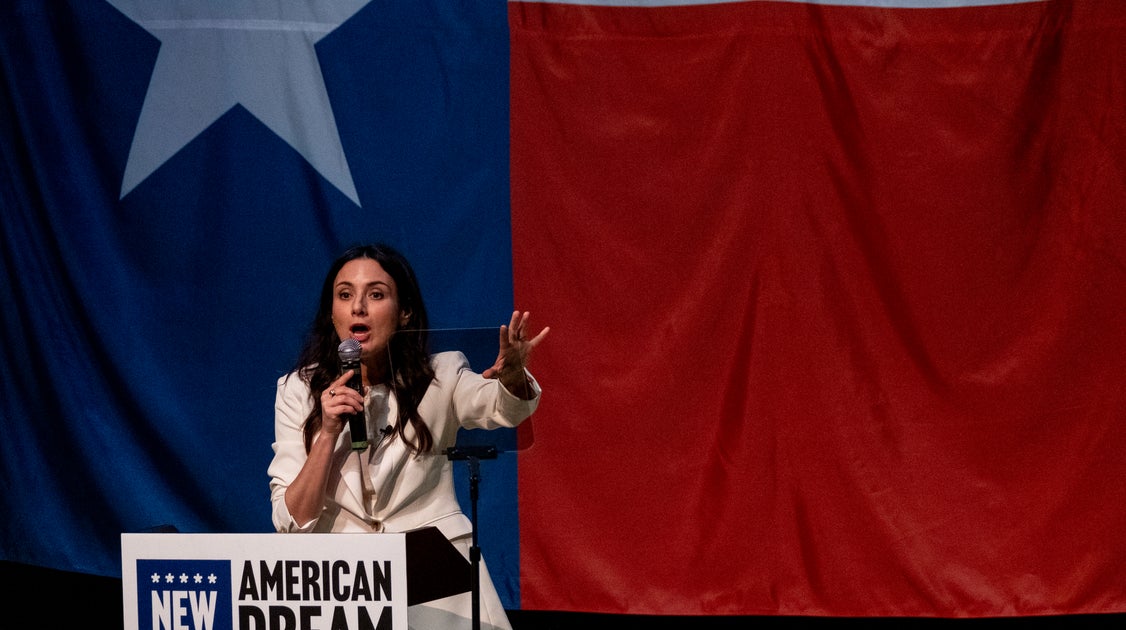
Historic flips in Texas, Georgia, Iowa, and North Carolina could reshape redistricting battles and party power for the next decade. A competitive Texas governor's race featuring state Rep. Gina Hinojosa exemplifies the high-stakes nature of the cycle.
Why This Matters
A strong Democratic majority in Congress would enable aggressive oversight of the administration, block judicial confirmations, and influence policy direction at a federal level. Beyond legislation, victories in key states could alter the balance of power during the next redistricting cycle, cementing advantages for the next decade.
The stakes extend to judicial appointments and federal policy, where a larger majority could protect reproductive rights, voting protections, and climate initiatives from executive overreach.
Key Takeaways
- Fundraising gap: Despite a favorable political environment, Democrats face limited financial resources. GOP groups have spent over $500 million since Labor Day, yet polling shifts have been minimal.
- Strategic spending: The Democratic Governors Association has begun redirecting funds toward competitive races, including a $1 million infusion into the Texas governor's contest.
- Super PAC dynamics: Outside groups like American Bridge and Everytown for Gun Safety are deploying millions in targeted races, while MAGA Inc. and the RNC hold massive cash reserves.
- Cautionary notes: Party operatives warn against poll-driven overconfidence, noting that 2016 and 2020 victories in red areas proved temporary. Strategic allocation of resources remains critical.
Conclusion
Democrats stand at a crossroads where this election cycle could define the party's trajectory through the next decade. Whether the goal is a functional majority or a transformative wave, the decisions made in the final weeks will shape not only the 2026 outcome but the party's ability to deliver on promises and counter Republican ambitions in future cycles.






Discussion
Join the conversation
Thoughtful reactions, questions, and follow-up ideas help shape the next story.