Introduction
As the Dec. 11 spending deadline approaches, Democrats hold leverage to end the Iran war by threatening a government shutdown, but face internal divisions and political risk. Advocates urge leaders to translate anti-war rhetoric into concrete funding cuts.
What Happened
Since February, Democrats and a handful of Republicans have repeatedly voted on war powers resolutions aimed at limiting the president's ability to wage war against Iran without congressional approval. Though the House and Senate passed the measure in June, the Trump administration dismissed it as unconstitutional, leaving the conflict ongoing. Advocates have since pushed harder for legislative leverage during the final weeks before the new Congress convenes.
Why This Matters
The stakes are high: a Dec. 11 continuing resolution keeps the government funded, and attaching a war-defunding rider could force a vote or trigger a shutdown. Progressive and moderate Democrats are divided on whether shutting down the government is a risk worth taking. Advocacy groups argue that withholding war funding is the most direct path to forcing negotiations, while party leadership remains cautious about the political fallout.
Key Takeaways
- Democrats can attach a war-funding rider to the Dec. 11 continuing resolution, but face a potential government shutdown if the measure fails.
- The National Defense Authorization Act offers another vehicle for inserting restrictions on Iran war powers, though it is traditionally must-pass legislation.
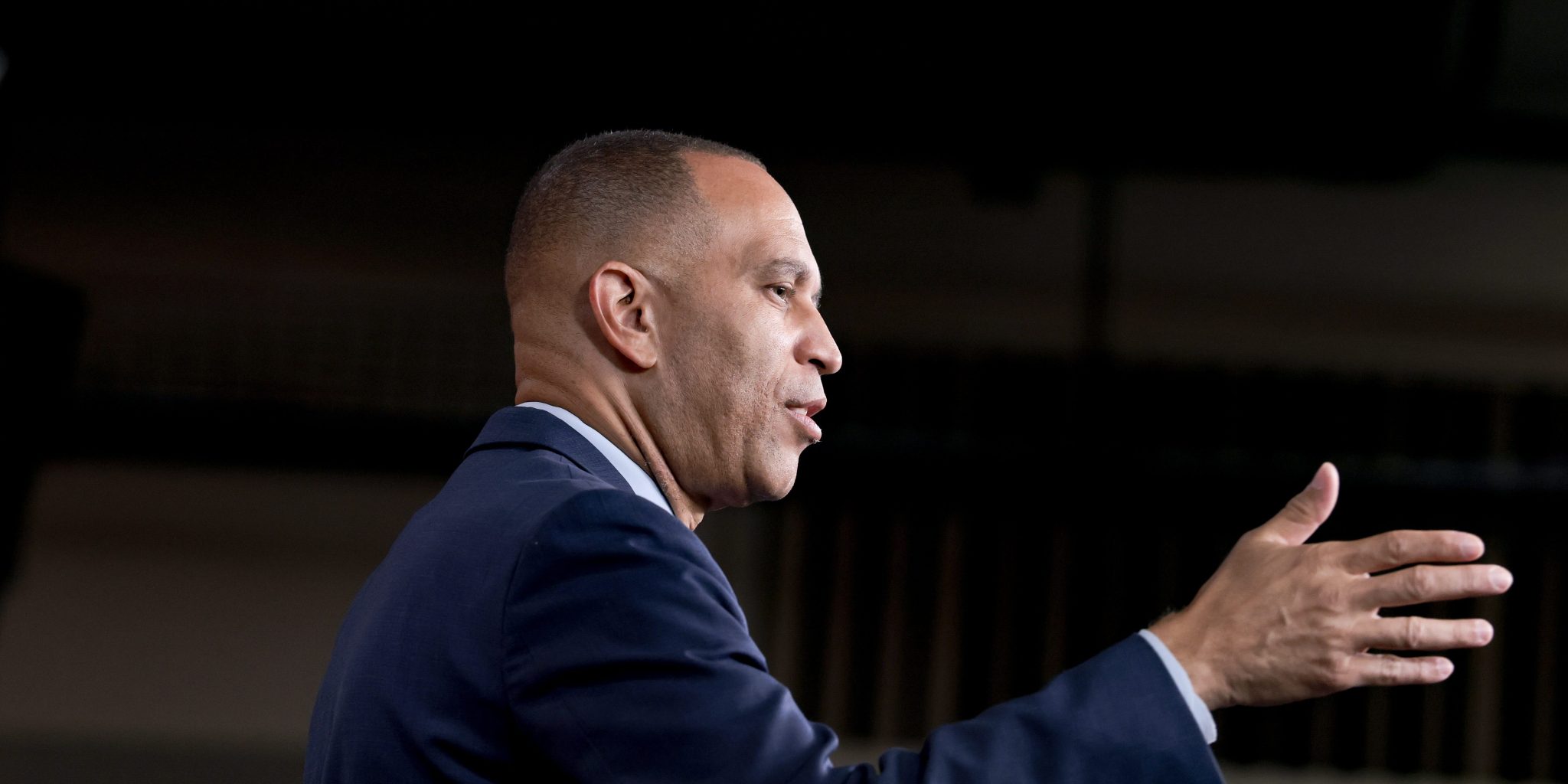
- Key figures such as House Minority Leader Hakeem Jeffries have not committed to aggressive funding cuts, stating they will deal with the appropriations process when we deal with the appropriations process.
- Advocacy organizations including J Street and the Friends Committee on National Legislation are urging Democrats to play hardball, citing public demand for an end to the open-ended conflict.
Conclusion
Whether through a shutdown threat, NDAA amendments, or future war powers votes, Democrats hold the leverage to shape the war's trajectory during the lame-duck period. How they wield that power—and whether they risk a government shutdown—will likely determine if campaign rhetoric translates into real policy change.







Discussion
Join the conversation
Thoughtful reactions, questions, and follow-up ideas help shape the next story.