Introduction
With big midterm wins, Democrats pledge an ambitious agenda to lower costs, fight corruption, and advance health care, climate and civil rights while navigating divided government and narrow Senate margins.
What Happened
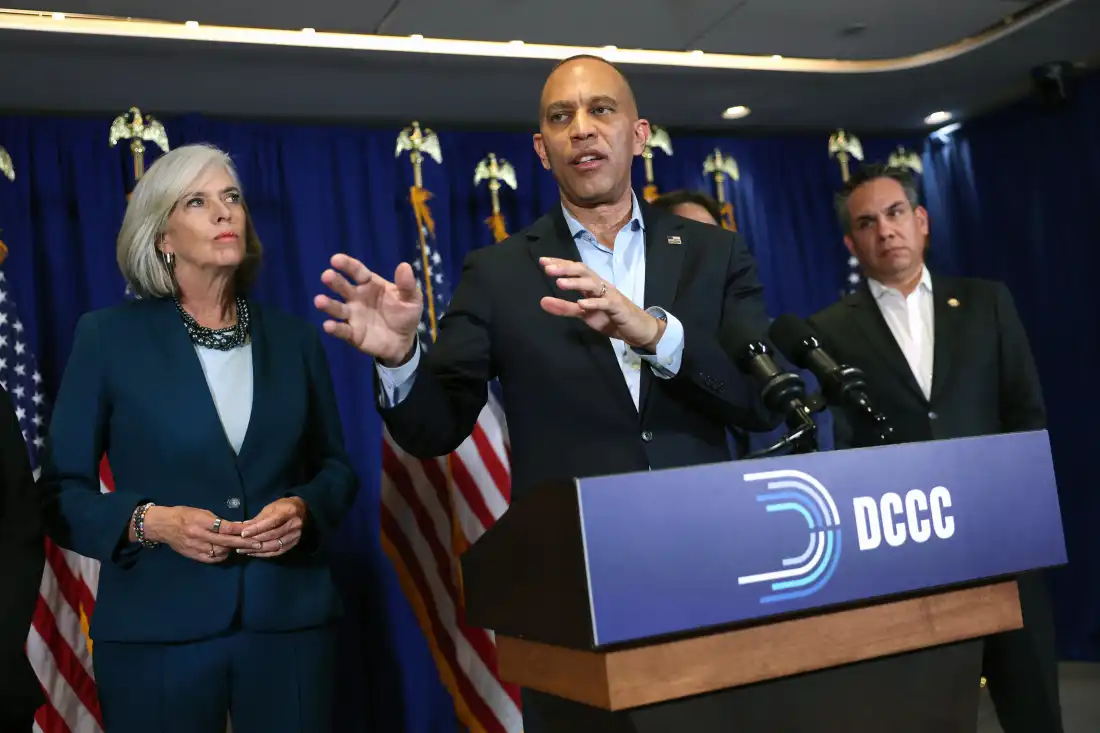
The party's sweep gave them control of both the House and Senate, prompting immediate celebrations and planning. House Minority Leader Hakeem Jeffries and Senate Minority Leader Chuck Schumer outlined a unified message of cost reduction and accountability. In the days after the election, Democrats organized working groups to tackle gas, grocery, utility, housing, and caregiving costs, pairing progressive and moderate voices. The caucus includes new members who campaigned on everything from Medicare for All to more incremental insurance expansions, reflecting the party's broad spectrum. Despite the win, internal tensions surface around ideology and strategy, even as leaders insist the core message resonated across districts.
Why This Matters
A unified government usually fuels ambitious legislation, but Democrats face divided-government constraints. The Senate's 60-vote threshold means most bills need Republican support or complex procedural paths. President Trump's potential veto power adds another layer of negotiation. Meanwhile, voters demand concrete results on health care, immigration, and foreign aid, putting pressure on the caucus to deliver quickly. The balance between progressive ambitions and moderate realities will shape the party's effectiveness and public perception.
Key Takeaways
- Avoid overpromising to prevent voter disappointment and backlash.
- The first hundred hours will focus on restoring Affordable Care Act subsidies and reversing recent Medicaid cuts.
- Congress can use appropriations power and oversight to check executive action when legislation stalls.
- Investigation authority could trigger dramatic probes into administration actions, leveraging subpoena power.
- The party's margin includes both progressive newcomers and moderate freshmen, requiring delicate leadership balancing.
- Voter expectations are high, with activists warning that failure to deliver could jeopardize future electoral prospects.
Conclusion
Democrats now hold the gavel, but the real test is translating a midterm surge into lasting policy wins. Their success will depend on balancing bold proposals with legislative reality, uniting a diverse caucus, and responding to a public eager for tangible results. How they navigate these tensions in the coming months will likely define the party's trajectory through the next election cycle.






Discussion
Join the conversation
Thoughtful reactions, questions, and follow-up ideas help shape the next story.