Introduction
Radiators often serve as functional necessities, but they can also dominate a room's visual appeal in an unwanted way. When a style editor decided to tackle her landlord's special units, she set out to prove that a dated heating element could become a design feature without professional help.
What Happened
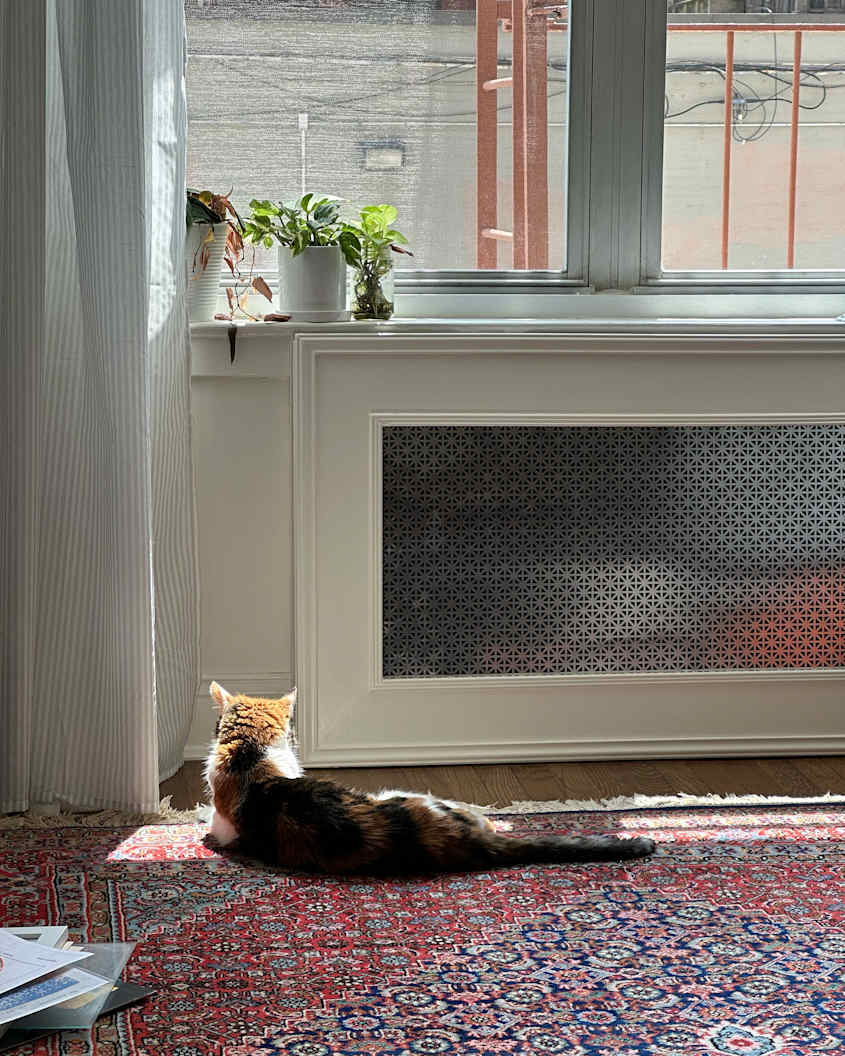
Starting with two radiators that were difficult to clean and visually unappealing, the project began by removing stubborn old covers and uncovering layers of lint and debris beneath. Determined to improve both style and function, the DIYer sourced pre-cut perforated aluminum sheets and built simple wood frames, following a picture frame blueprint. The metal was cut to size, stapled into place, and paired with magnetic closures to make the covers fully removable.
Why This Matters
Beyond aesthetics, the makeover solved a practical problem: easy access to the radiator surfaces means dust and grime can be wiped away in minutes not hours. The perforated aluminum also allowed heat to radiate more efficiently, while the magnetic design means the covers pop on and off without tools. Neighbors took notice, several asking her to replicate the look in their own homes.
Key Takeaways
- Pre-cut aluminum sheets and basic wood framing create a custom look for under $100 per radiator.
- Tin snips make metal cutting quick and precise; always measure twice and cut once.
- Cabinet magnets attached to side dowels provide a secure yet removable closure.
- Removable covers dramatically improve cleaning efficiency and airflow.
- The project proves that with a can-do attitude, anyone can upgrade dated home features.
Conclusion
What started as a personal challenge turned into a neighborhood talking point. By combining affordable materials with a straightforward build process, an eyesore was transformed into a polished focal point. The takeaway? Sometimes the best way to learn a new skill is simply to start, your radiators and your guests will thank you.




Discussion
Join the conversation
Thoughtful reactions, questions, and follow-up ideas help shape the next story.