Introduction
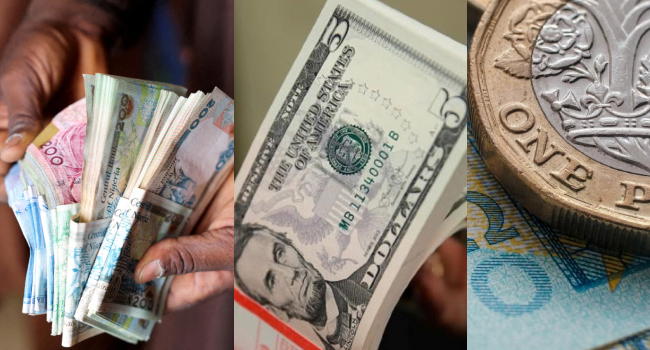
The Nigerian foreign exchange market kicked off the final trading week of September 2026 with the dollar naira rate drawing close attention from traders, businesses, and households alike. On Monday, September 28, 2026, both official and parallel market quotations reflected shifting dynamics in Nigeria's forex landscape.
What Happened
According to the latest indicative data, the official Nigerian Foreign Exchange Market (NFEM) rate opened at approximately ₦1,327.16 per dollar, calculated as a volume-weighted average of market transactions. The Central Bank of Nigeria determines this rate through daily trading activity, with the closing figure adjusted at the end of each session.
In the parallel market, often referred to as the black market, the dollar was quoted at around ₦1,385 on Friday, September 25, 2026, according to BusinessDay reports. The rate remained relatively stable throughout the preceding week, though Monday's opening may vary based on daily dollar supply, demand, and Bureau De Change operator activity.
Market analysts noted that the naira closed the prior trading week broadly stable across both channels, supported by stronger external reserves and cautious trading sentiment.
Why This Matters
Exchange rate movements directly affect the cost of imported goods, fuel prices, and overall inflation pressure across Nigeria. A stable or shifting naira-dollar rate influences everything from household purchasing power to corporate operating costs, making daily forex updates essential for businesses and policymakers.
With external reserves playing a key role in market confidence, traders monitor each session for signs of sustained pressure or relief in the foreign exchange market.
Key Takeaways
- The official NFEM rate stood at approximately ₦1,327.16 per dollar as of early trading on September 28, 2026.
- The parallel market rate hovered near ₦1,385 per dollar as of Friday, September 25, with Monday's opening subject to daily supply and demand fluctuations.
- The Central Bank of Nigeria sets the official rate using a volume-weighted average of market transactions, adjusting the closing figure based on daily trading activity.
- Stronger external reserves contributed to the naira's broad stability at the end of the previous trading week.
- Forex rates remain dynamic and may shift as trading progresses throughout the day.
Conclusion
As trading continues on September 28, 2026, market participants should stay alert to daily rate changes, especially if external reserve levels or CBN policy actions shift. For businesses and individuals tracking naira performance, today's figures provide a key reference point for planning and budgeting in the current forex environment.


Discussion
Join the conversation
Thoughtful reactions, questions, and follow-up ideas help shape the next story.