Introduction
DoorDash once spent $1.4 million to defeat Zohran Mamdani in New York's 2025 mayoral race, hoping to block the progressive candidate who promised stricter delivery-worker protections. The effort now looks like a drop in the bucket compared to the $131.5 million wage-theft settlement the company faces after an investigation found systematic underpayment of 264,000 couriers.
What Happened
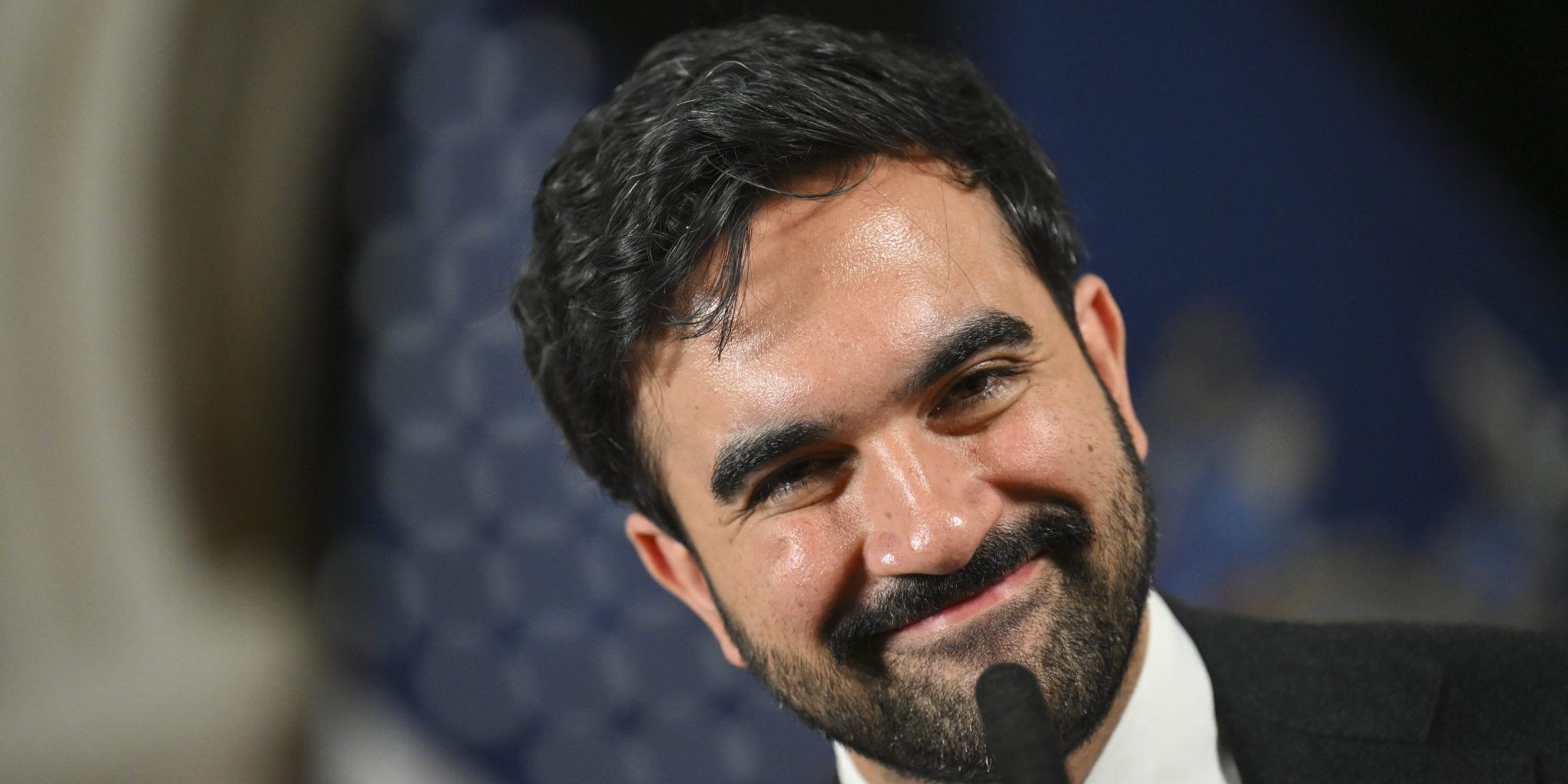
In the months leading up to the 2025 Democratic primary, DoorDash funneled a $1 million gift to a super PAC that became the largest single donor in the race. The Fix the City group used that money to flood the airwaves, send texts, and mailers—some featuring altered images of Mamdani that the candidate called out as Islamophobic. DoorDash also gave $1.8 million to another super PAC that funneled cash to former Governor Andrew Cuomo's campaign. Across the board, independent spending against Mamdani outpaced support by more than eight to one, with corporate and billionaire dollars driving the majority of the opposition.
The campaign spending spree came to light after The Intercept reported on the settlement details. An NYC Department of Consumer and Worker Protection investigation concluded that DoorDash deliberately paid workers below the Minimum Pay Rate or not at all. Two weeks after Mamdani took office, the administration warned delivery apps to comply and filed a lawsuit against another delivery platform, Motoclick.
Why This Matters
The settlement—$115 million in worker restitution and $16 million in civil penalties—signals that elected officials are finally holding gig-economy giants accountable. Mamdani campaigned on regulating delivery apps and strengthening worker safeguards, receiving backing from labor groups that had helped file the original complaints. For readers unfamiliar with the case, the contrast is striking: a $1.4 million political gamble to protect business interests, followed by a more than 100-fold payout to the very workers the company underpaid.
Beyond the dollars, the case sets a precedent for how cities can use investigative power to enforce wage laws against app-based employers, and it underscores the outsized influence corporate political spending can have—even when it ultimately fails.
Key Takeaways
- DoorDash spent $1.4 million to oppose Mamdani; the final settlement tops $131 million.
- The Fix the City super PAC, backed by DoorDash and Michael Bloomberg, ran a multimillion-dollar anti-Mamdani campaign.
- An official investigation found DoorDash deliberately underpaid workers, leading to the massive settlement.
- Mamdani's victory enabled the first major wave of enforcement against gig-app wage theft in New York.
- The case highlights the gap between political spending aimed at shaping policy and the actual cost of corporate accountability.
Conclusion
What began as a $1.4 million effort to influence a mayor's race has been eclipsed by a settlement that puts DoorDash's conduct under a microscope. For delivery workers, the outcome represents a hard-won validation of their claims. For the gig economy, it's a reminder that political influence has limits, and that regulatory action can translate campaign spending into real-world consequences.

Discussion
Join the conversation
Thoughtful reactions, questions, and follow-up ideas help shape the next story.