Introduction
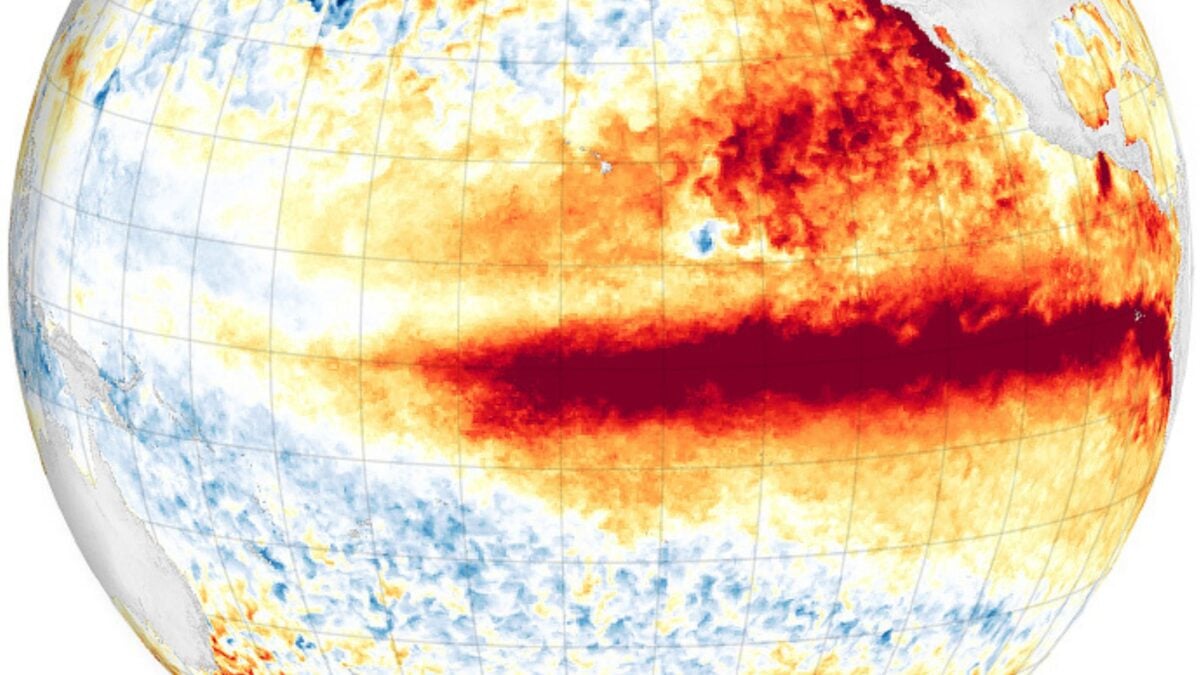
El Niño continues to shape global weather patterns, but this year's event is proving that long-standing expectations may no longer apply. Shifting climate conditions are rearranging how Pacific warming translates to regional rainfall and temperature anomalies.
What Happened
In the 2023–2024 cycle, atmospheric researchers documented an El Niño that failed to produce its typical effects across the United States. The expected wetter season in the Southern Plains never materialized, nor did the usual dry spell emerge in northern regions. Instead, record heating of tropical Indian and Atlantic waters appears to have overridden the climate signal usually delivered by Pacific warming, fundamentally altering the expected weather outcomes.
Scientists at the National Center for Atmospheric Research found that this oceanic heating created unexpected atmospheric responses, making seasonal outlooks less certain and exposing gaps in current predictive frameworks. Researchers have described the phenomenon as resembling a butterfly effect pattern, where shifts in one region trigger cascading impacts across distant landmasses.
Why This Matters
When the usual climate scripts flip, the consequences reach beyond forecast accuracy. The 2023–24 El Niño already contributed to severe drought conditions in the Amazon—situations Brazil hadn't faced in over a century. As the 2026 event approaches under altered climate baselines, the margin for error in weather prediction continues to shrink.
Experts emphasize that the climate system has entered a new baseline state, rendering historical patterns less dependable for future projections.
Key Takeaways
- El Niño's traditional teleconnections are being restructured by ongoing climate change, especially in the tropical Indian and Atlantic basins.
- The 2023–24 cycle defied standard rainfall expectations across the United States, revealing weaknesses in current forecasting systems.
- This year's El Niño marks the first since the late 1990s to develop with eastern Pacific warming rather than the more common central Pacific configuration, leaving limited recent precedent.
- Without significant upgrades to climate models that account for anthropogenic shifts, extreme weather preparedness will likely remain playing catch-up.
Conclusion
This year's El Niño underscores that the rules of atmospheric interaction are in flux. As the climate system adjusts to new thermal realities, sustained investment in monitoring, modeling, and international cooperation will be critical to staying ahead of increasingly unpredictable extreme weather seasons.



Discussion
Join the conversation
Thoughtful reactions, questions, and follow-up ideas help shape the next story.