Introduction
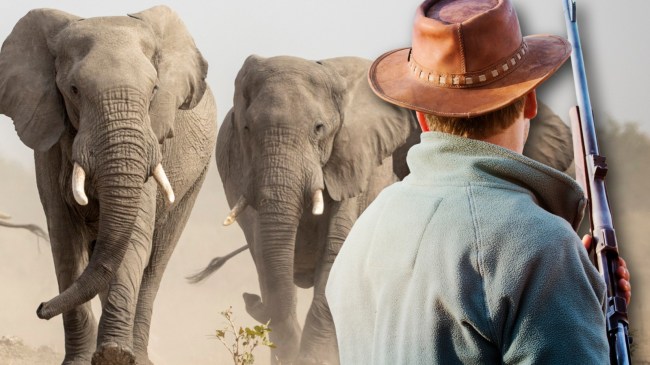
Elephants roam the African savanna as both iconic wildlife and powerful defenders of their habitat. When humans encroach on their space for illegal hunting, the outcome can be unpredictable and fatal. A recent incident in South Africas most renowned park illustrates the risks of crossing these massive animals.
What Happened
According to reports, two individuals entered Kruger National Parks Pafuri area without permission in mid-September, armed with a rifle and an axe to hunt rhino. While tracking a herd of white rhinos, they were charged by a group of elephants that emerged from the brush. One man was trampled to death as he attempted to flee; the other escaped and later told authorities he heard his companion screaming during the attack. Park rangers later discovered the body of the deceased roughly six miles from the entry point, near a buffalo carcass believed to have been illegally hunted.
Why This Matters
Elephants are known for complex social structures and remarkable memory, with documented cases of them responding defensively to threats against their young or herd. This tragedy adds to evidence that these animals can identify danger and react accordingly. The incident also underscores the ongoing struggle park officials face in curbing poaching, despite increased patrols and border fencing designed to keep hunters out.
Key Takeaways
- Two poachers entered Kruger National Parks Pafuri region equipped for a rhino hunt.
- Elephants charged the group, resulting in one fatality and one escapee.
- The surviving man reported hearing his companion scream during the encounter.
- Rangers found the body near an illegally hunted buffalo carcass after tracking footprints along the Luvuvhu River.
- Elephants ability to recognize and retaliate against threats is well-documented, reinforcing their role as apex defenders of their ecosystem.
Conclusion
The death of the poacher in Kruger National Park serves as a stark reminder of the dangers inherent in illegal wildlife hunting. As conservation efforts continue, this event reinforces the need for sustained vigilance, community education, and strong protection measures for Africas most vulnerable species. Visitors and locals alike are reminded that the wild commands respect, and that the line between hunter and hunted can shift in an instant.



Discussion
Join the conversation
Thoughtful reactions, questions, and follow-up ideas help shape the next story.