Introduction
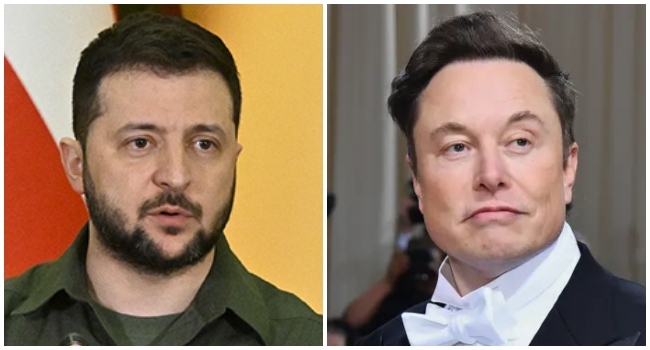
Tech billionaire Elon Musk has intensified diplomatic friction by publicly urging Ukraine's president to step down, citing the ongoing human cost of the war. The remarks come as Kyiv voices growing concern over Western support and the role of private tech in modern conflict.
What Happened
Musk took to X formerly Twitter writing that the slaughter continues and time for Zelensky to go. The statement follows Kyiv's accusation that the United States is indirectly aiding Russia by restricting Ukraine's military communications. Ukraine alleges that changes to Musk's satellite system, particularly Starlink, have hampered its ability to coordinate defenses and respond to incoming missile strikes.
The dispute centers on two SpaceX systems: Starlink the civilian satellite internet service and Starshield a military-grade network Ukraine relies on for battlefield communications. Musk clarified that while he controls the civilian system Starshield operations are under US government authority. He denied slowing Starlink for offensive use placing responsibility for any disruption on federal regulators.
Why This Matters
The exchange underscores how private technology has become a decisive factor in the Ukraine war's information and logistical layers. With millions relying on satellite internet for command and control any shift in access or performance directly impacts battlefield effectiveness. The row also highlights the fragile state of US-Ukraine relations heading into a pivotal election year where aid and tech support are under intense scrutiny.
Additionally Kyiv's claim that the US threatened to halt intelligence on Russian missile launches adds another layer of tension suggesting that tech disputes are intertwined with broader strategic calculations.
Key Takeaways
- Elon Musk publicly called for Ukraine's president to resign escalating diplomatic tension.
- Ukraine accuses the US of weakening its war effort through satellite restrictions.
- The conflict involves a split between civilian Starlink and military Starshield systems.
- Musk denies direct control over Starshield attributing operational calls to the US government.
- The dispute unfolds amid a US election cycle where aid and technology policy are hot-button issues.
Conclusion
As the war in Ukraine enters a new phase the intersection of tech billionaire influence and state military strategy will likely remain a critical flashpoint. Whether Musks remarks translate into policy shifts or remain a public provocation remains to be seen but the incident reveals how deeply digital infrastructure is now woven into modern warfare.





Discussion
Join the conversation
Thoughtful reactions, questions, and follow-up ideas help shape the next story.