Introduction
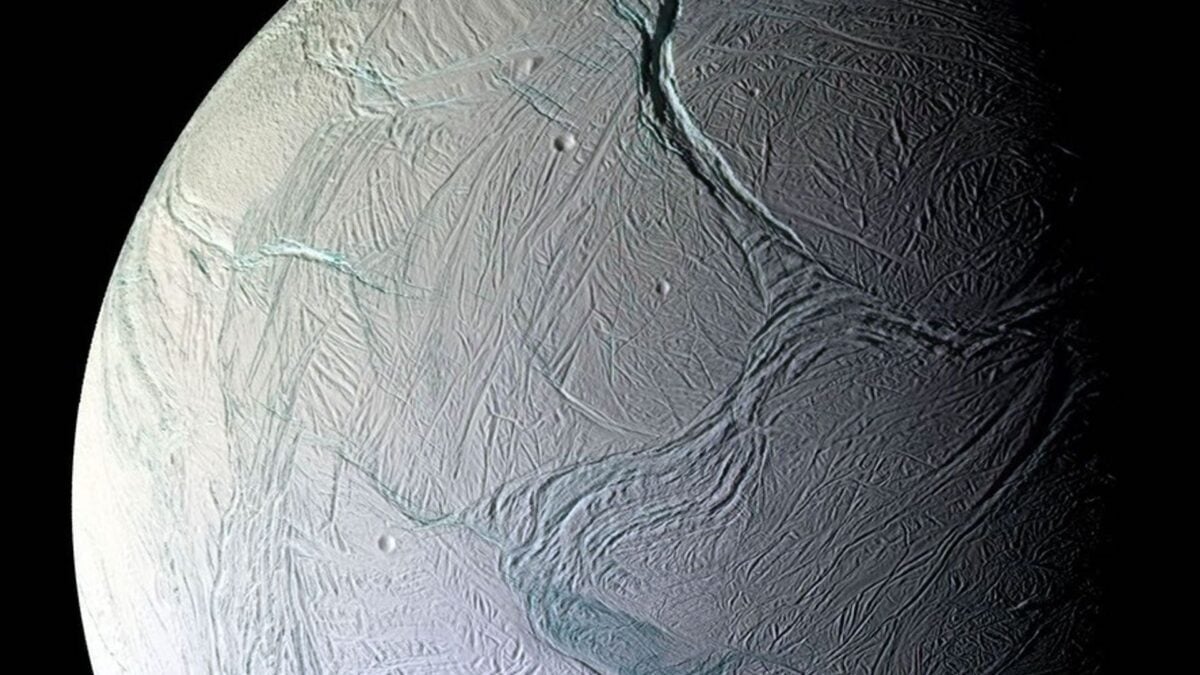
Saturn’s moon Enceladus has long captured scientific attention as one of the most promising bodies in the solar system for hosting life beyond Earth. Beneath its icy shell lies a global ocean of salty liquid water, periodically ejected into space through dramatic geyser-like plumes. Recent laboratory experiments now suggest that terrestrial microbes could endure conditions resembling those hidden sea.
What Happened
Researchers conducted lab simulations replicating the alkaline, salty environment of Enceladus’s subsurface ocean. By introducing a hardy Earth microbe, Methanothermococcus okinawensis, a methane-producing species typically found near deep-sea hydrothermal vents, they observed the organism not only survive but thrive. The microbe generated methane by reacting hydrogen and carbon dioxide, adapting its metabolism to the low-carbon-dioxide alien setting.
Why This Matters
While no life has been detected on Enceladus, the experiment strengthens the argument that its underground sea could, in principle, support living organisms. The findings also have practical implications for future exploration: Cassini’s earlier plume flybys revealed organic compounds and salts, and new analysis shows those plumes naturally fragment and concentrate materials, making biosignatures easier to identify with existing technology.
Key Takeaways
- Earth microbes can survive in a simulated Enceladus ocean, bolstering the habitability case.
- Methanothermococcus okinawensis adapted its metabolism to low carbon dioxide, producing methane as an energy source.
- Cassini data indicates Enceladus’s plumes naturally separate and concentrate organic compounds into individual ice particles, simplifying future detection.
- Current spacecraft instruments may already have the capability to spot signs of life in plume samples.
Conclusion
The new research adds compelling, Earth-based evidence that Enceladus’s subsurface ocean could be more than just a passive water world—it could actively host biology. As missions concept studies advance, the combination of hardy terrestrial analogs and natural plume processing brings us closer to answering whether we are alone in the solar system.



Discussion
Join the conversation
Thoughtful reactions, questions, and follow-up ideas help shape the next story.