Introduction
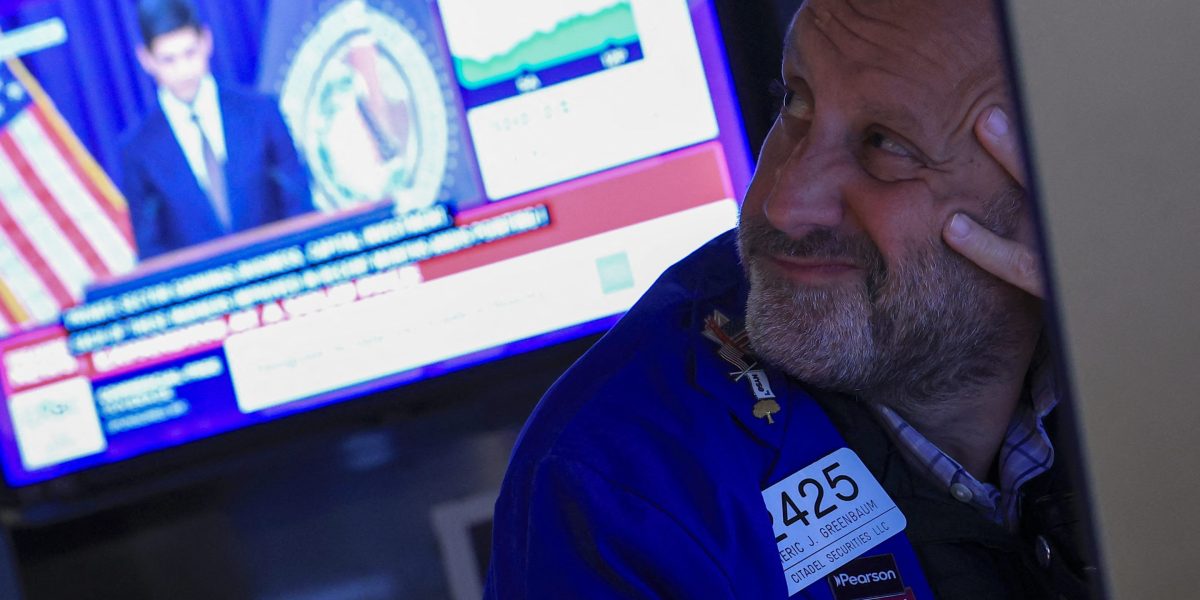
Wednesday's trading session saw key indices pull back after the Federal Reserve's first rate increase in three years, followed by a press conference from Chair Kevin Warsh that shifted investor focus toward the outlook for future policy. Stocks slid toward their lowest levels in months while benchmark yields climbed.
What Happened
The S&P 500 fell 1%, moving toward its closest close since July. The Dow Jones Industrial Average dropped 1.7%, losing more than 700 points, with financial shares leading the sell-off. The Nasdaq Composite slipped 0.8%. The 10-year Treasury yield held near 5%, touching its highest level since 2007, while the dollar index rose 0.6% to its strongest point since late July.
Markets had initially priced in the quarter-point increase and traded higher before the 2 p.m. decision. However, selling pressure built during the press conference as the Fed chair's comments shifted focus from the move itself to the path ahead.
- S&P 500 down 1%, approaching July lows
- Dow fell 1.7%, financials leading the declines
- 10-year Treasury yield near 5%, highest since 2007
- Dollar index up 0.6%, strongest since late July
Why This Matters
Warsh's language indicated he would have difficulty describing current financial conditions as restrictive, noting the committee had removed some accommodation. Under previous leadership, policy was labeled modestly restrictive at 3.5%-3.75%, but Warsh suggested that range still falls short of that threshold. His refusal to confirm whether policy is now restrictive, combined with his distancing from the Fed's projection of one additional hike followed by a pause through 2027, signals notable uncertainty about the central bank's next steps.
For equity markets, the combination of a chair who believes rates remain too low, avoids committing to how much higher they need to go, and declines to endorse the central bank's own forecast created a challenging environment. Analysts observed that if the economy continues at its current pace, the Fed may not begin cutting rates until 2028, and history shows that once the Fed begins raising rates, it typically does so multiple times.
Key Takeaways
- Warsh's tone suggests the Fed may not be done tightening, despite signaling a pause after one more hike.
- Market reactions show investors are skeptical of a quick end to rate increases, with Treasury yields and the dollar responding strongly.
- Analysts diverge: one expert expects one final hike and then a stop, while others warn another increase may be on the way.
- Fed funds futures show traders split on whether the next move comes in October.
Conclusion
Wednesday's move underscores how sensitive markets are to Federal Reserve communication. With the chair declining to give clear forward guidance and implying further increases may be needed, investors should watch upcoming Fed statements and Treasury yield trends closely. Whether this marks the start of another tightening cycle or a one-off adjustment remains to be seen, but the message is clear: the cost of capital may stay in focus for some time.

Discussion
Join the conversation
Thoughtful reactions, questions, and follow-up ideas help shape the next story.