Introduction
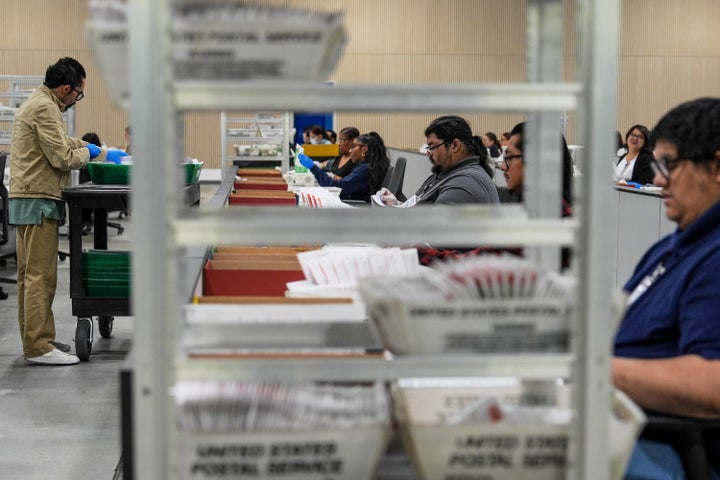
A series of federal court rulings on Friday reshaped the legal landscape surrounding California midterm election, as judges blocked the Justice Departments attempts to invalidate thousands of ballots suspected of being cast by noncitizens. The decisions come amid intense national scrutiny over election integrity and voter eligibility.
What Happened
A federal appeals court unanimously rejected the Justice Departments request to set aside disputed ballots, warning that doing so would cripple the entire voting system. Hours later, another judge barred the DOJ from intimidating election workers, and a third ordered the government to share a disputed voter list with advocacy groups seeking to challenge its accuracy.
The rulings stem from the claim that California sent ballots to roughly 20000 individuals who may not be U.S. citizens. State officials counter that the list is unreliable and likely includes many eligible voters.
Why This Matters
The court decisions highlight the high stakes of election administration battles playing out across the country. A district judge had previously warned that separating ballots could disenfranchise citizens, and the appeals court echoed that concern, noting no feasible way to isolate individual ballots without systemic collapse.
Beyond California, the rulings affect election workers, advocacy groups, and the broader question of how federal immigration data intersects with state voter rolls. The decisions also signal that courts are weighing the risk of voter suppression against the push for election integrity.
Key Takeaways
- The 9th Circuit Court of Appeals rejected the DOJs effort to invalidate California ballots, emphasizing the risk of widespread disenfranchisement.
- A federal judge in Northern California barred the Justice Department from threatening or coercing election workers processing ballots.
- A separate order forced the government to share the disputed voter list with groups like the Coalition for Humane Immigrant Rights and UCLA Voting Rights Project.
- Judges in nine states halted federal investigations into noncitizen voting until after Election Day, citing fears of voter suppression.
- The SEIU hailed a ruling protecting election workers as a victory for the democratic process.
Conclusion
With millions of ballots already cast and Election Day approaching, the courts decisions temporarily halt the Justice Departments push to challenge California voter rolls. Whether the fight moves to the U.S. Supreme Court remains to be seen, but the rulings underscore the delicate balance between election integrity and voter access heading into the midterms.




Discussion
Join the conversation
Thoughtful reactions, questions, and follow-up ideas help shape the next story.