Introduction
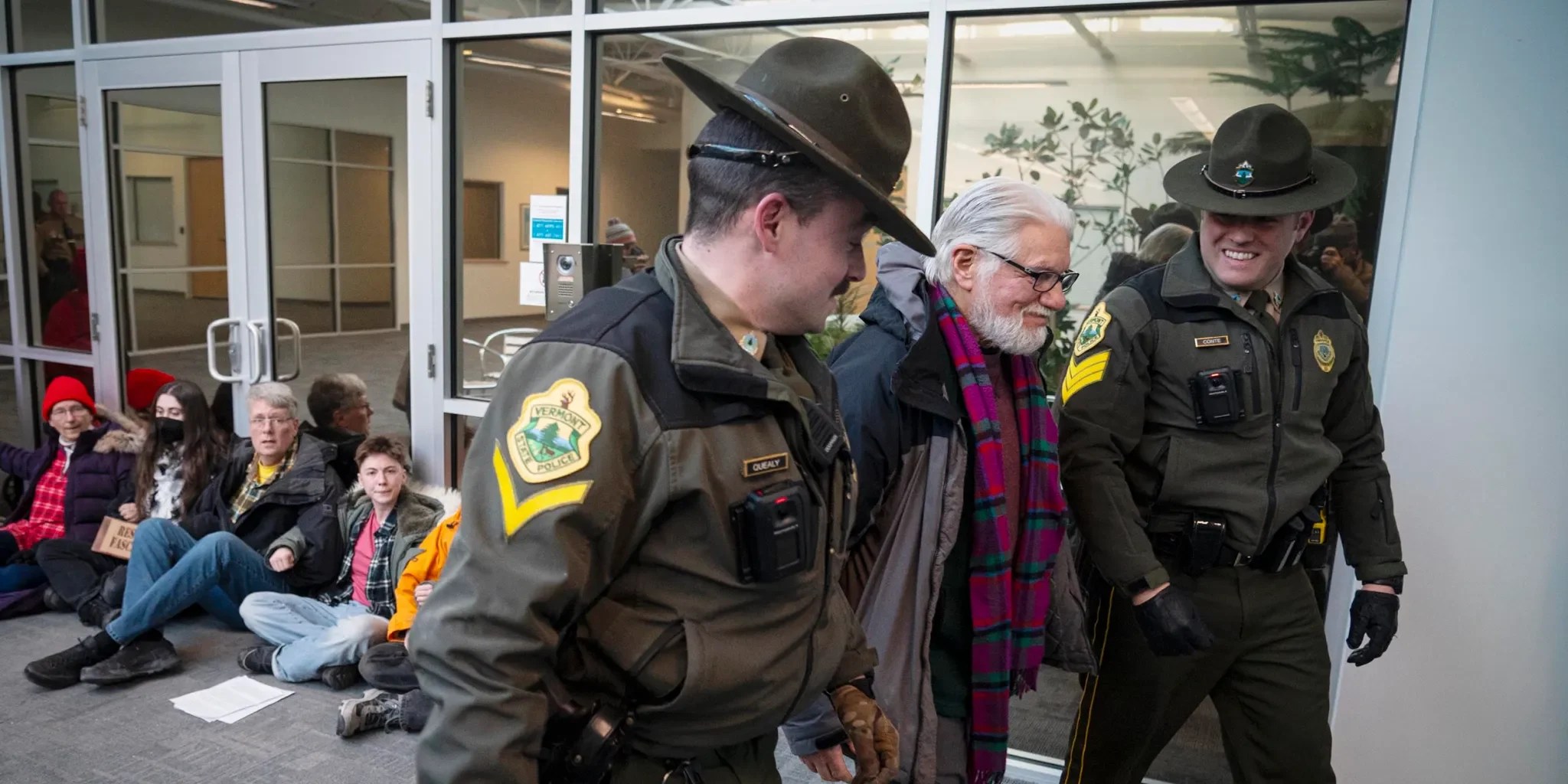
A small Vermont town is at the center of a growing clash between immigration enforcement and protest rights. Federal authorities have filed charges against activists just days before a major demonstration against ICE's surveillance operations in the area. The moves have sparked debate over the limits of protest and the scope of government surveillance.
What Happened
State and federal prosecutors announced charges against a total of 18 activists connected to protests at ICE's National Criminal Analysis and Targeting Center in Williston. Vermont Attorney General Charity Clark filed misdemeanor charges against 13 people for a July sit-in, while federal prosecutors separately charged five others. The timing announced shortly before a coordinated week of action has raised alarms among organizers who argue the moves are intended to intimidate dissent. Vermont State Police also took the unusual step of bypassing local prosecutors and filing cases directly with the attorney general's office, a procedural shift with no clear precedent in the state.
Why This Matters
The ICE facility in Williston, known as the National Criminal Analysis and Targeting Center, serves as a hub for immigration enforcement and surveillance across the region. Its expansion under the Trump administration, including a 24/7 analyst team and integration into a nationwide fusion center network, has made it a focal point for anti-ICE activism. The sudden criminal charges, particularly the state police’s decision to bypass local prosecutors and go directly to the attorney general’s office, represent an unusual legal step with no clear precedent. Critics say the charges threaten the right to protest and highlight a broader crackdown on dissent.
Key Takeaways
- Federal and state charges were filed days before a major anti-ICE protest in Vermont.
- Thirteen activists were charged by the state attorney general; five additional faces federal charges.
- Vermont State Police circumvented local prosecutors, filing directly with the attorney general’s office.
- No established legal precedent exists for that procedural maneuver.
- ICE’s NCATC in Williston is one of only two such facilities nationwide, equipped for 24/7 surveillance analysis.
- Organizers argue the charges are a tactic to suppress civil disobedience, but history suggests repression often fuels larger resistance.
Conclusion
As the week of action approaches, the charged activists and their allies vow to continue protesting despite the legal pressure. Organizers say the arrests have only drawn more attention to the ICE facility and the broader system of immigration enforcement. As one protester put it, repression breeds resistance and the momentum behind the movement only seems to grow.


Discussion
Join the conversation
Thoughtful reactions, questions, and follow-up ideas help shape the next story.