
Introduction
The Federal Government has begun disbursing N18 billion in outstanding severance benefits to 2,700 former Nigeria Airways employees, more than two decades after the national carrier was grounded. The payment marks a significant moment of closure for retirees who waited years for what was due.
What Happened
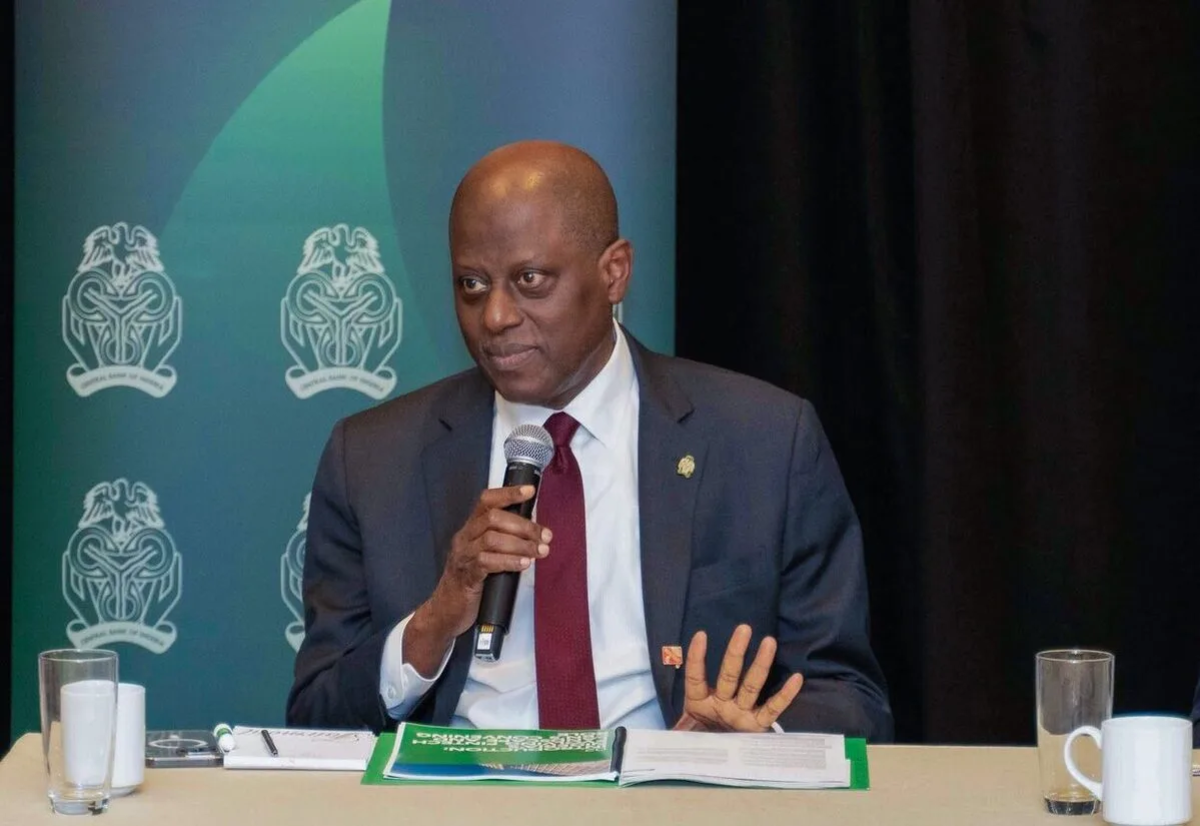
Taiwo Oyedele, Minister of Finance and Coordinating Minister of the Economy, announced the payment during a press briefing in Abuja on Friday. Beneficiaries were paid in batches, with 2,100 workers in the first seven batches already receiving funds, and an additional 600 in batches eight and nine cleared for payment. The minister emphasized that the disbursement followed a directive from President Bola Tinubu to resolve the inherited obligation. Extensive verification, including biometric capture and banking validation, was conducted to prevent fraud and ensure only verified recipients were paid. The minister also noted that some beneficiaries had passed away, and payments would be directed to their next-of-kin or estates after due process.
Why This Matters
For many of the former workers, the wait stretched over 20 years, with some growing old while awaiting their entitlements. The payment not only provides financial relief but also highlights government commitment to addressing inherited fiscal obligations. The exercise also covers over 12,000 indigenous contractors, demonstrating a broader effort to clear verified debts and prioritize small businesses and pensioners. The move underscores the importance of transparent verification and responsible fiscal management.
Key Takeaways
- N18 billion was released to 2,700 former Nigeria Airways workers across nine payment batches.
- Verification included biometric capture and banking details to prevent fraudulent claims.
- Payments extend to over 12,000 indigenous contractors, with smaller claims (N50m or less) prioritized first.
- No inflation adjustment was applied, but the government stated the amounts were documented and verified.
- The disbursement is part of a wider effort to prevent future accumulation of unpaid obligations through realistic budgeting and funded capital expenditure.
Conclusion
The long-awaited payment brings relief to thousands of former Nigeria Airways employees and their families after more than two decades of uncertainty. It also serves as a precedent for how governments can confront inherited obligations with transparency, verification, and prioritization of smaller creditors. Moving forward, focus on realistic budgeting and funded commitments aims to prevent a repeat of such prolonged delays.

Discussion
Join the conversation
Thoughtful reactions, questions, and follow-up ideas help shape the next story.