Introduction
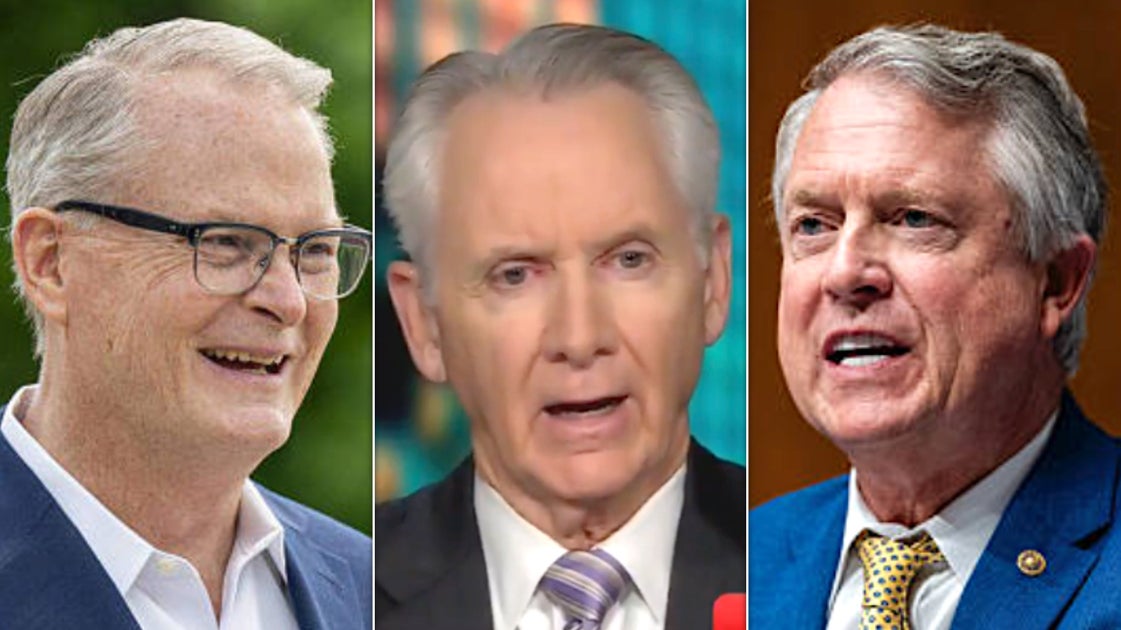
Former Kansas Governor Bill Graves, a two-term Republican, has announced his support for Democratic challenger Adam Hamilton in the state's upcoming U.S. Senate race, marking a notable break from party loyalty.
What Happened
Graves cited his loss of faith in incumbent Republican Roger Marshall after the senator voted to overturn the 2020 election results. He emphasized that his governorship was defined by serving Kansas residents, and he feels Marshall has walked away from that commitment. In contrast, Graves describes Hamilton as a breath of fresh air and a bulwark of kindness who prioritizes bipartisan cooperation.
- Graves announced his endorsement of Hamilton over Marshall.
- The decision follows public criticism of Marshall's election-related votes.
- Hamilton, a megachurch pastor, has gained attention for his campaign style and policy platform.
Why This Matters
Graves' endorsement is significant for Kansas politics, a state that has leaned Republican for decades. The move could influence the competitive Senate race and reflects broader tensions within the GOP regarding election integrity and party direction. Hamilton's potential victory would mark the first Democratic Senate win in the state in nearly a century.
Key Takeaways
- Former Kansas Gov. Bill Graves switching party support breaks with Republican orthodoxy in the state.
- The endorsement highlights growing dissatisfaction among some Republicans with election-related votes and party loyalty.
- Adam Hamilton's campaign gains momentum with high-profile support, potentially reshaping Kansas's Senate landscape.
- The race underscores the increasing importance of local voter concerns over national partisan scripts.
Conclusion
Governor Graves' unexpected endorsement of Adam Hamilton over Roger Marshall illustrates how personal conviction and constituent focus can override party lines. As the Kansas Senate race unfolds, the decision may signal shifting dynamics within the state's political fabric and could serve as a case study in cross-party appeal and the evolving nature of electoral coalitions.



Discussion
Join the conversation
Thoughtful reactions, questions, and follow-up ideas help shape the next story.