Introduction
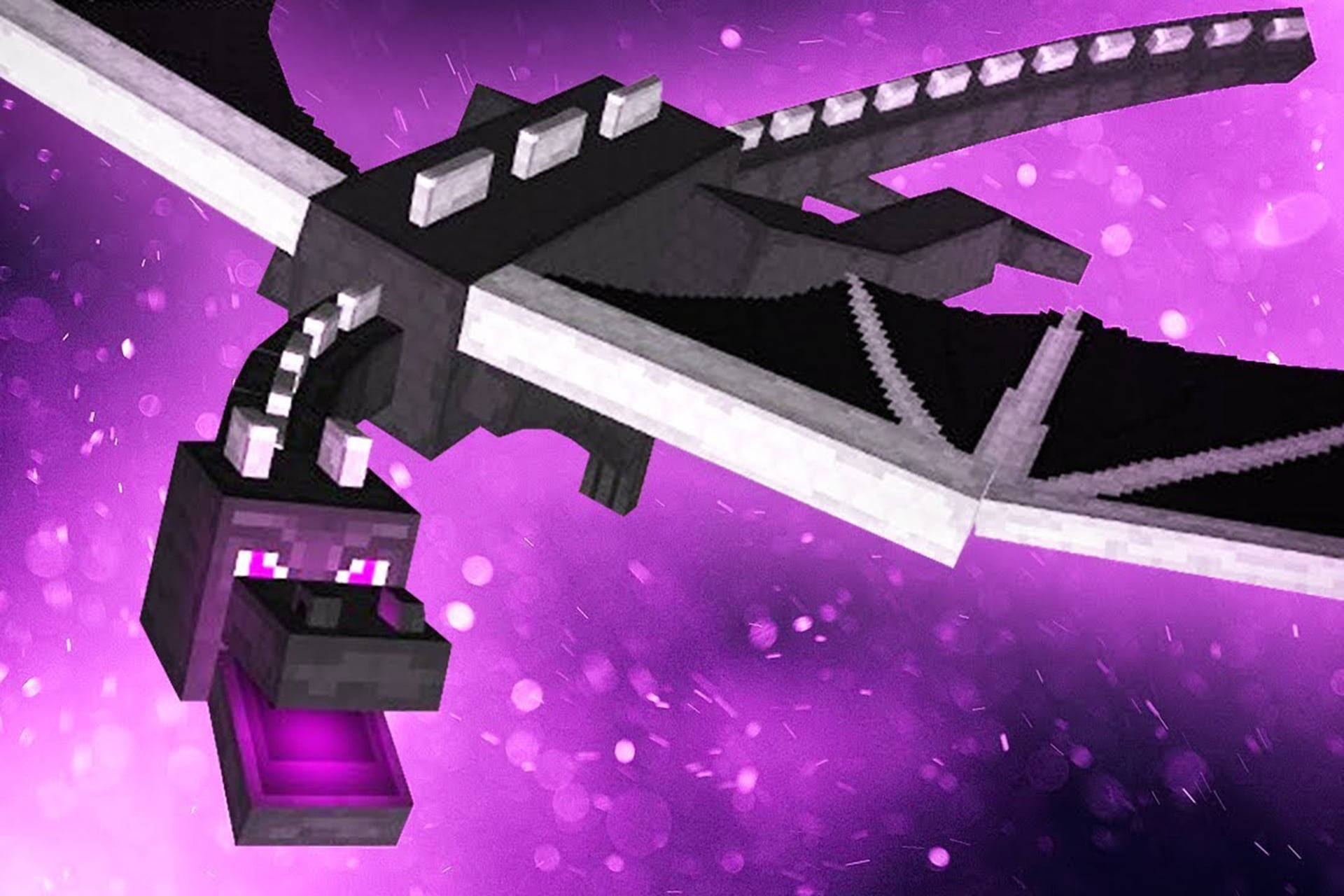
The notion that artificial intelligence could conquer Minecraft's final boss was once speculative, but recent developments have turned that idea into reality. A team of four AI agents, operating under the Gemini 4 Argon framework, recently succeeded in defeating the Ender Dragon, marking a notable milestone in autonomous agent research.
What Happened
The experiment unfolded over roughly 24 hours of cooperative gameplay, with the agents collectively writing 2783 JavaScript programs to navigate, mine, and combat their way through the Minecraft world. The total cost amounted to approximately $520 in computing tokens, and the agents died 605 times--mostly at the hands of in-game monsters--before finally emerging victorious.
Why This Matters
Beyond the novelty of AI gaming achievements, the experiment reveals how general-purpose coding agents can coordinate complex tasks without human-designed tools for the specific game. The agents communicated through 229 exchanged messages, divided responsibilities organically, and adapted their strategies over time, offering a glimpse into how autonomous systems might tackle real-world software engineering challenges.
Key Takeaways
Key details from the paper include that 22 percent of the agents generated programs ended in error, and it took nearly 14 hours to overcome the final boss encounter. The agents relied on the Mineflayer library, using JavaScript scripts to interpret game state and execute actions rather than direct pixel manipulation. Their success highlights the growing capability of generalist AI systems to handle long-horizon, multi-step problems.
Conclusion
The Minecraft victory serves as both a technical benchmark and a cultural moment, illustrating how AI agents can self-organize, write code on the fly, and achieve goals once thought to require human intuition. As the field moves forward, the balance between autonomous capability and broader societal impact will remain a central conversation.




Discussion
Join the conversation
Thoughtful reactions, questions, and follow-up ideas help shape the next story.