Introduction
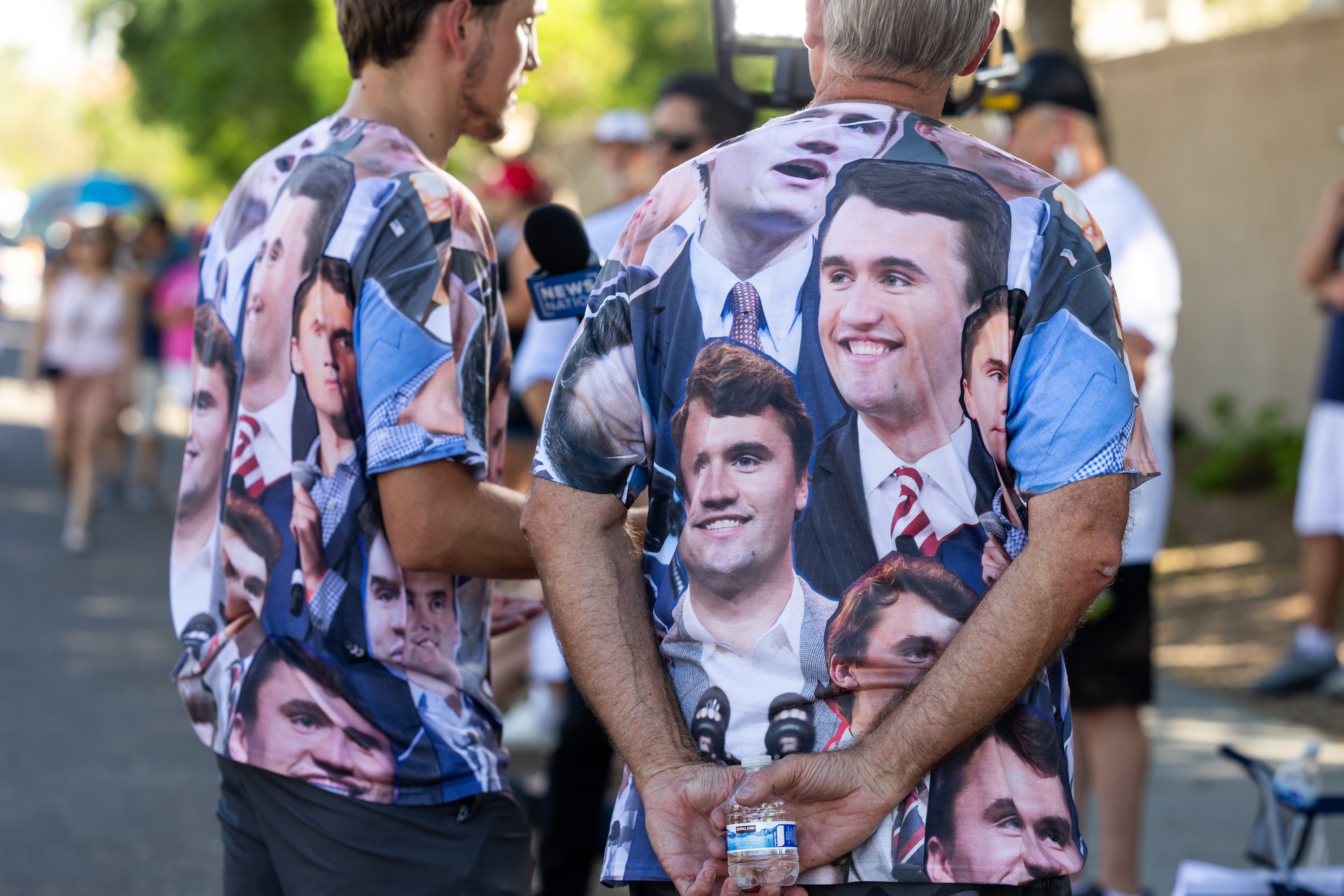
\nThe death of conservative activist Charlie Kirk nearly a year ago sparked an intense effort by the right to elevate him as a martyr, but the internet had other plans. What began as a solemn political moment quickly transformed into a widespread online meme, reshaping how his life and death are remembered across digital culture.
\n\nWhat Happened
\nIn the months following Kirk's assassination at Utah Valley University, right-wing figures and allies moved to canonize him, naming highways, planning a Times Square statue, and demanding official mourning. Simultaneously, internet users seized on his image, inserting him into films like Avatar and The Odyssey, generating an AI-generated song that topped Spotify's Viral 50, and parodying his death alongside figures like Jeffrey Epstein and Benjamin Netanyahu. The contrast between official attempts at veneration and viral ridicule highlighted a sharp divide between political intent and online culture.
\nThe reaction also triggered a broad crackdown on speech. Officials and employers moved to punish perceived celebrations of his death: the State Department revoked visas of noncitizens who posted memes, a Tennessee man was arrested for an online joke, and educators, media personalities, and workers at major companies faced firing or suspension over their comments. These actions underscored how quickly political grief can be leveraged to silence dissent.
\n\nWhy This Matters
\nThe episode reveals a paradox at the heart of modern right-wing internet strategy: by insisting on total deference to Kirk as a sainted figure, movement leaders opened the door to relentless mockery. When a political movement centers on cruelty, critics often respond by spotlighting its vulnerabilities, and Kirk's afterlife became a case study in how attempts at suppression only amplify satire. The naming of highways and public statues alongside AI-generated parodies illustrates the friction between political legacy and digital culture.
\nConspiracy theories also quickly emerged, with some figures blaming external actors or Kirk's own circle for his death, further fracturing the movement. Meanwhile, the expected consolidation of right-wing power failed to materialize, as infighting among prominent voices like Ben Shapiro, Candace Owens, Steve Bannon, and Tucker Carlson played out publicly.
\n\nKey Takeaways
\n- \n
- Charlie Kirk's death triggered both official martyrdom efforts and an immediate internet meme transformation. \n
- An AI-generated song titled We Are Charlie Kirk reached No. 1 on Spotify's Viral 50 U.S. chart. \n
- His image was inserted into major films, video games, and AI art styles, including Studio Ghibli and The Sopranos. \n
- Government and employer crackdowns followed his death, including visa revocations, arrests, and firings across multiple sectors. \n
- Physical tributes such as highway renamings and a planned Times Square statue coexist with viral parody content. \n
- Conspiracy theories and internal right-wing rifts surfaced in the wake of his killing. \n
Conclusion
\nCharlie Kirk can no longer address campuses or spread his message in person, but his image endures filtered through layers of internet irony, official commemoration, and viral satire. The episode serves as a reminder that efforts to enforce political reverence often backfire in the age of digital culture, where mockery can become as enduring as any monument.


Discussion
Join the conversation
Thoughtful reactions, questions, and follow-up ideas help shape the next story.