Introduction
Three years of war, blockade and deliberate targeting have pushed Gaza's healthcare system to the brink. What was once a network of hospitals serving a population under siege is now largely non-functional, with 94 percent of facilities reported out of service by the UN.
What Happened
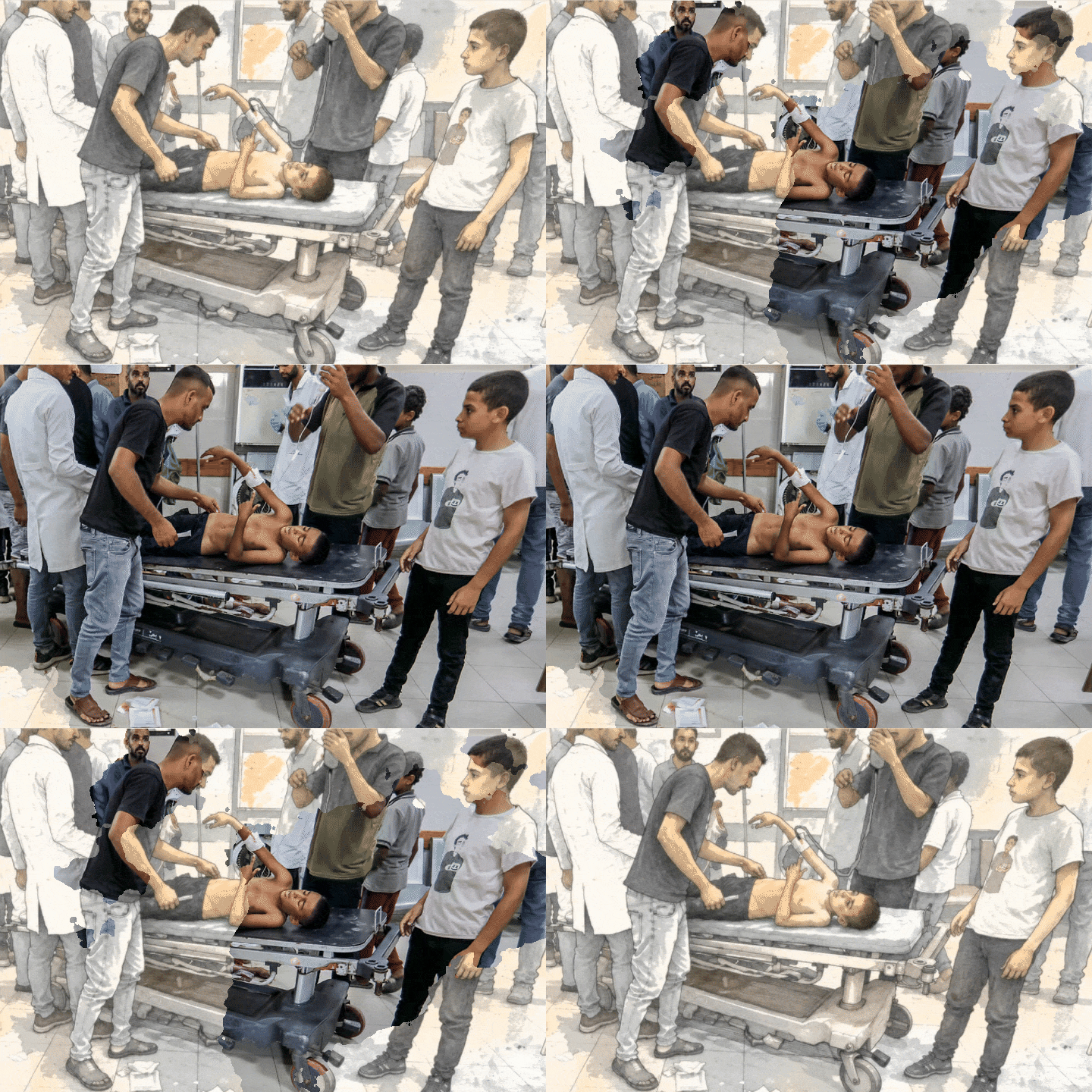
Israel has attacked nearly all of Gaza's healthcare facilities and blocked medicines and medical equipment from entering. When mass-casualty events occur, emergency rooms descend into chaos: patients lie on floors, trolleys are scarce, and staff improvise with limited supplies. Rescuers have brought the wounded in by car or animal cart since ambulances were bombed. Even basic procedures are hindered by missing equipment such as rapid infusion pumps, laryngoscopes, and sterile surgical tools.
Why This Matters
The collapse of medical infrastructure means that injury, complications and routine care become life-threatening. Doctors report performing surgery under flashlights, administering fluids by hand-squeezing IV bags, and intubating children with no guarantee of proper equipment. The impact is most severe on children, premature babies and those with chronic injuries requiring ongoing care.
Key Takeaways
Despite ceasefires, the situation at hospitals like Nasser and al-Ahli remains critical as of September 2026. Essential items from rapid infusion pumps and anaesthesia gear to baby formula and radiology machines remain unavailable. The blockade and ongoing military operations continue to prevent supplies from entering, and previous checks show no meaningful improvement in hospital functionality.
Conclusion
The destruction of Gaza's hospitals is not just a statistic; it is a daily reality for patients and providers who must choose who gets care and who does not. Without a sustained flow of medical supplies, protection of health infrastructure and accountability for attacks on hospitals, the healthcare system will remain unable to fulfill its most basic purpose: saving lives.









Discussion
Join the conversation
Thoughtful reactions, questions, and follow-up ideas help shape the next story.