Introduction
Many Gen Z job seekers are eager to launch their careers, but landing that first internship or full-time role has become increasingly competitive. Employers often flag a gap in professional skills, prompting one nonprofit to step in before students even graduate high school.
What Happened
Genesys Works, a national nonprofit founded in 2002, helps underserved high schoolers transition into professional careers through skills training, long-term coaching, and paid corporate internships. Before students join partner companies like Accenture, JPMorgan, and Mayo Clinic, they complete an eight-week summer program covering communication, critical thinking, digital literacy, Excel, and office etiquette. The crash course sets up participants with greater confidence and ensures they enter the workforce prepared.
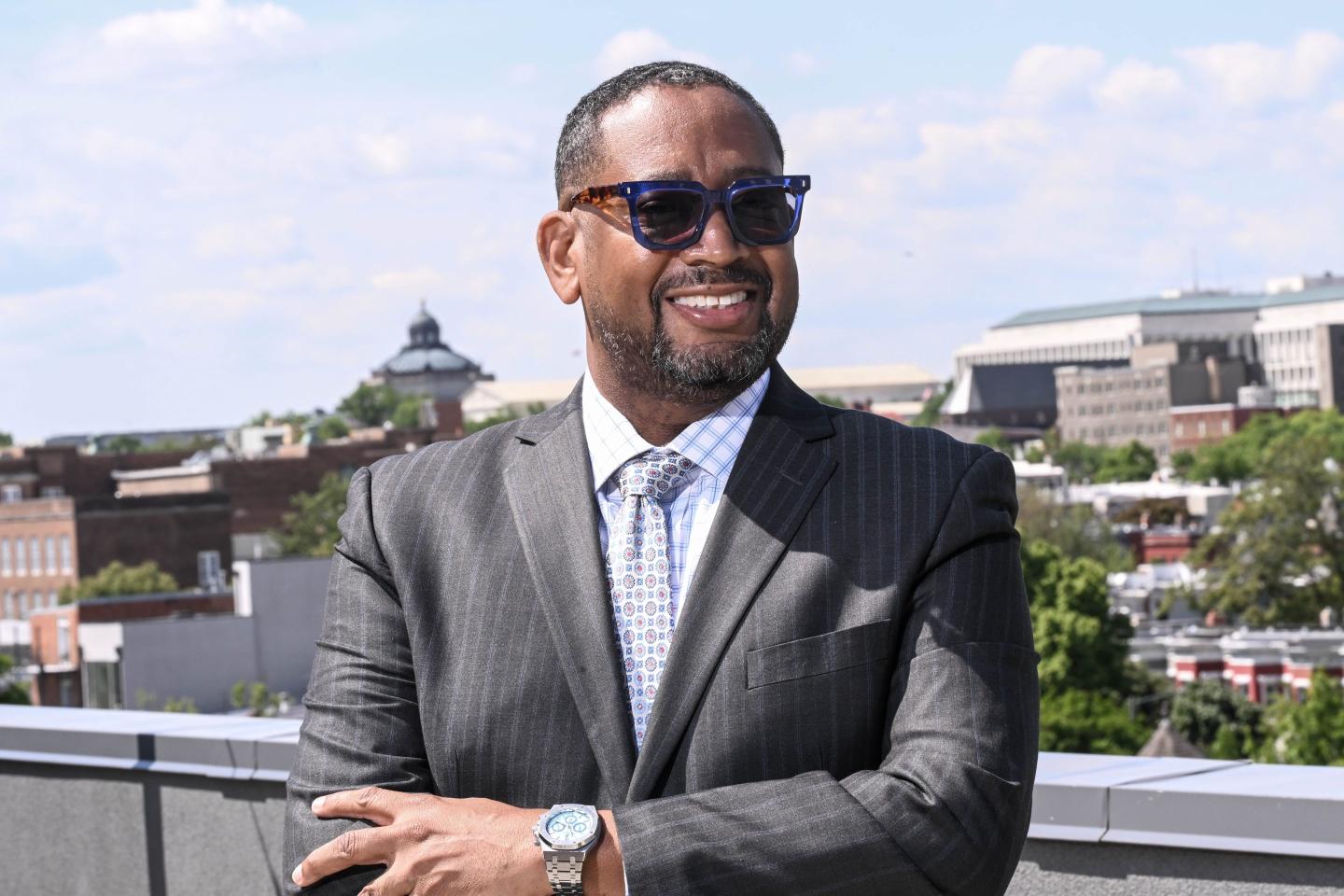
During the program, teenagers learn practical habits such as keeping phones away during meetings, avoiding abbreviations in emails, and staying organized with meeting documents. The curriculum also includes resume building, LinkedIn development, and mock interviews to sharpen speaking skills. The program emphasizes core professional skills like critical thinking, logic, and reasoning—skills CEO Byron V. Garrett says have become essential in today's workplace.
The eight-week crash course also teaches Gen Zers workplace basics and AI literacy. While many students are familiar with chatbots from personal use, the program teaches the importance of fact-checking AI output, understanding limitations, and protecting proprietary information. Students learn to become proficient in office productivity suites and how to use AI for business efficiency through prompt engineering, not just personal convenience.
Why This Matters
The impact extends far beyond the first paycheck. Since its inception, Genesys Works has served more than 14,000 students nationwide, and in 2025 alone, it helped 2,161 teenagers launch their professional careers. The program partners with 205 companies across 27 industries, including healthcare, technology, finance, and construction. By placing students in paid internships rather than unfilled, unpaid roles, participants can earn up to $14,000 during their senior year, providing a different sense of dignity, especially as money remains tight for many Americans.
Long-term outcomes are striking: alumni seven or more years out earn an average of $67,000 per year, outpacing the typical recent college graduate salary of $56,153 (2026 data). Additionally, 73% of surveyed alumni earn more than at least one of their parents, and 20% own a home. Healthcare and construction companies are all-in on Gen Z talent. Mayo Clinic's campus in Jacksonville, Florida has doubled the number of interns in their latest cohort, and the tech sector remains a primary pipeline for roles such as IT help desk positions. As AI data centers spring up across the country, there's an opportunity to help fill the shortage of data engineers and HVAC technicians.
Key Takeaways
- Paid internships provide immediate financial benefit, with seniors earning up to $14,000 during their final year.
- Professional skill development in communication, critical thinking, and digital literacy sets students apart in competitive job markets.
- AI literacy training prepares young workers to use technology responsibly and effectively in business settings.
- Strong career outcomes include higher starting salaries and long-term economic mobility for alumni.
- Cross-industry demand exists in healthcare, construction, and technology, with employers valuing both technical and professional competencies.
Conclusion
Genesys Works demonstrates that early, structured exposure to professional environments can transform career trajectories for young people who might otherwise be overlooked. By combining hands-on experience, targeted skill-building, and paid opportunities, the program equips Gen Z with the tools to succeed—and offers a model for how employers and educators can bridge the workplace readiness gap together.

Discussion
Join the conversation
Thoughtful reactions, questions, and follow-up ideas help shape the next story.