Introduction
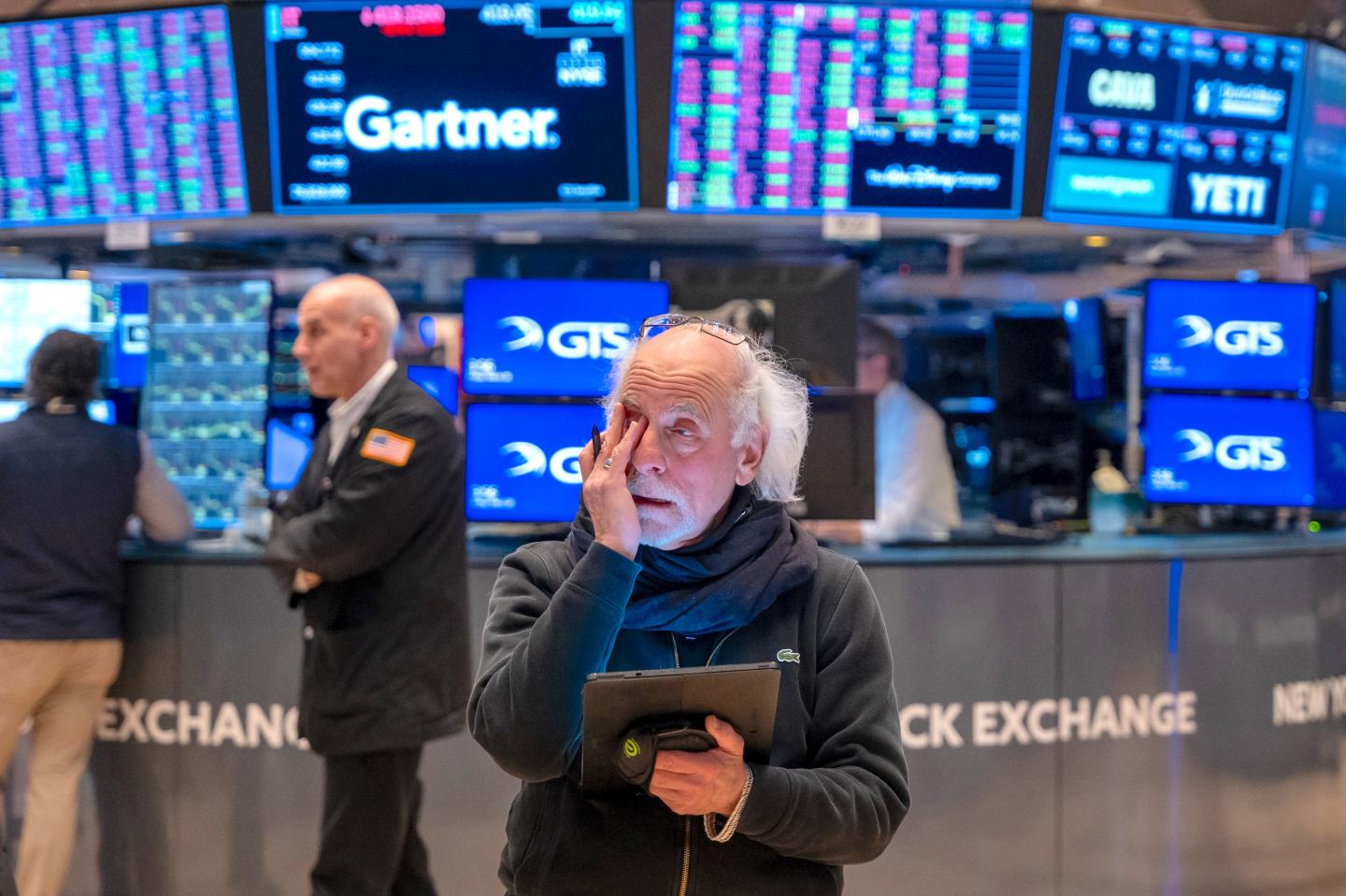
\nThe latest trading session saw global equity markets come under pressure as bond yields climbed to levels not seen in years, prompting analysts to warn of a shifting risk landscape. Investors grapple with rising inflation expectations, geopolitical tension, and a bond market signaling a new era of heightened scrutiny.
\n\nWhat Happened
\nA new Pentagon assessment puts the financial toll of the Iran conflict at $33.4 billion through June, citing extensive damage to U.S. installations and infrastructure across the Middle East. Brent crude hovered near $107 per barrel, reinforcing inflation pressures that have kept the Federal Reserve in the spotlight. Meanwhile, the 10-year Treasury yield rose to 5.03 percent, its highest point since 2023, while the 30-year benchmark reached 5.39 percent. Global indices followed the downturn: the S&P 500 futures slipped 0.59 percent, Europe’s Stoxx 600 dropped 0.84 percent, and Asia’s Nikkei and KOSPI also posted losses.
\nBeyond finance, the article highlights a surge of AI-generated content flooding Amazon’s religion category, with a significant share of titles flagged as likely AI-generated. A separate review of self-published genre-fiction from 2023 to 2026 found that roughly one in five books contained substantial AI-written sections, with hundreds flagged as mostly automated. This flood has contributed to a disconnect between book volume and revenue growth, indicating declining earnings per title. In energy markets, a Wood Mackenzie analyst warned that European gas storage will have very little room for error this winter due to Hormuz supply disruptions linked to the conflict.
\n\nWhy This Matters
\nThe ripple effects of rising bond yields and elevated oil prices extend across the financial system. Higher yields increase the cost of borrowing for governments and corporations, potentially dampening investment and consumer spending. For stock portfolios, the historical correlation between climbing yields and pressure on equity valuations means many investors are recalibrating risk exposure. The AI content flood also raises questions about authenticity and revenue models for publishers, while European energy security concerns underscore how quickly geopolitical events can translate into tangible price pressures at the pump.
\n\nKey Takeaways
\n- \n
- Global stock markets declined broadly as the 10-year Treasury yield surpassed 5 percent, marking a multi-year high. \n
- The Iran conflict has already cost $33.4 billion and pushed crude above $100 per barrel, with further implications for inflation and energy supplies. \n
- Federal Reserve policy decisions hang in the balance, with inflation drivers debated as temporary supply shocks versus structural trends. \n
- AI-generated content is reshaping publishing, with significant portions of Amazon’s religion and fiction categories flagged as automated. \n
- European gas reserves face a tight winter outlook, potentially affecting heating prices and energy security. \n
Conclusion
\nAs markets digest a week of rising yields, geopolitical developments, and AI-driven content shifts, the common thread is heightened uncertainty. Investors should monitor Treasury yield movements, Federal Reserve signals, and ongoing geopolitical developments as key indicators of whether the current selloff stabilizes or deepens. The intersection of finance, energy, and technology policy will likely dictate the next phase of market direction.


Discussion
Join the conversation
Thoughtful reactions, questions, and follow-up ideas help shape the next story.