Introduction
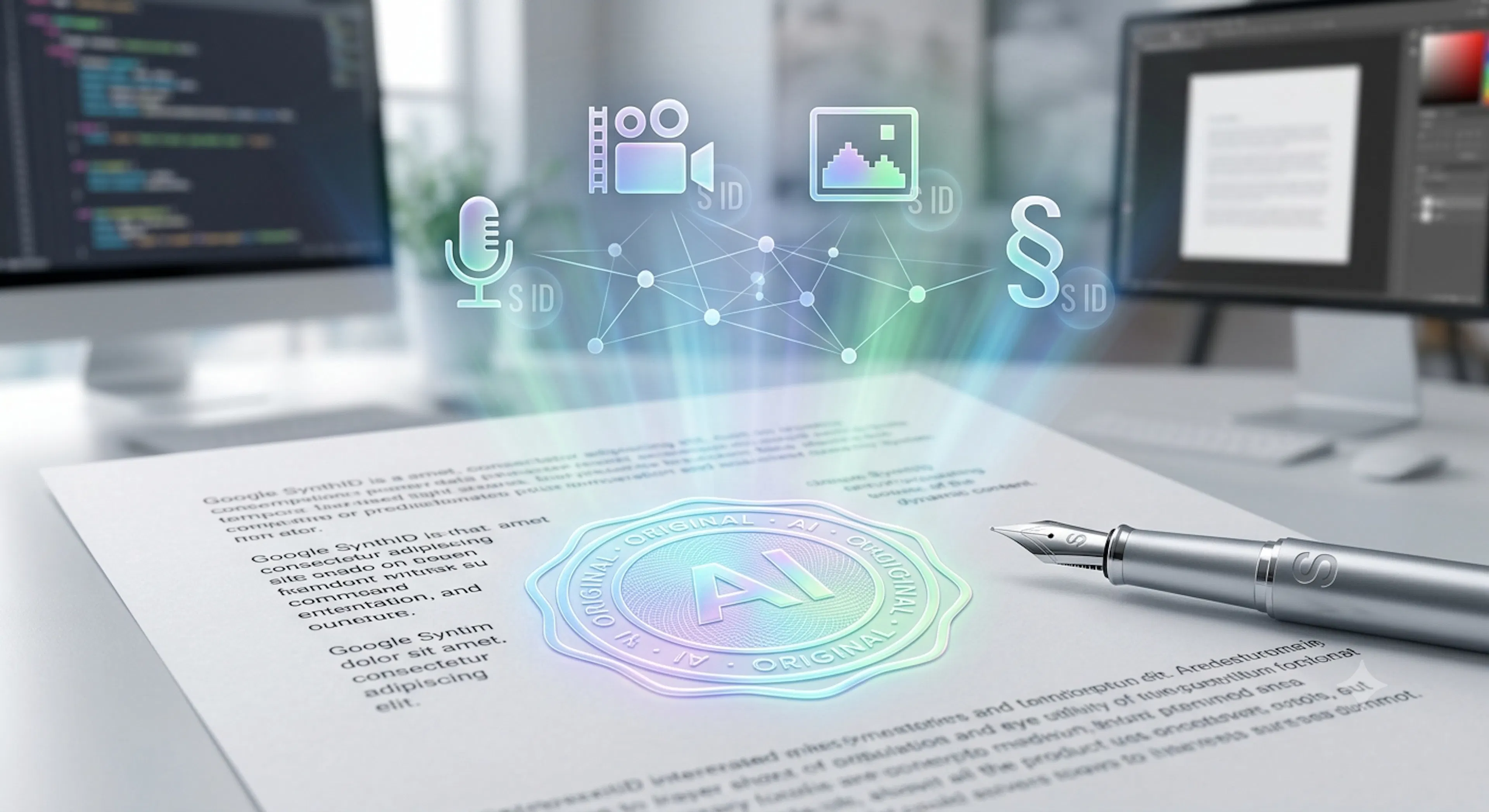
Google is expanding its AI watermarking technology to a global audience, giving anyone the ability to identify synthetic audio, video, and text. Since launching Synth ID for multimedia in 2023 and text in mid-2024, the system now lets users verify whether content was generated by AI, supporting better-informed decisions online.
What Happened
Google began watermarking AI-generated content across audio, video, and images in August 2023, extending the practice to text starting May 14, 2024, using its Synth ID technology. Initially limited to select media professionals, the tool opened to all users on October 6th. The system has already embedded invisible signatures into roughly 180 billion images and videos, plus 240000 years of audio content, making large-scale verification possible for the first time.
Why This Matters
The widespread availability of Synth ID addresses a growing need for transparency in an era where AI-generated audio, video, and text can easily mimic human work. With the EU recent watermarking law and platforms like Claude adopting similar signatures, users can now better assess content trustworthiness. Google emphasizes that labeling AI content is not about penalizing creators it is about empowering audiences to make informed decisions in an environment where AI slop and deepfakes threaten reliability.
Key Takeaways
- Google's Synth ID watermarks AI content across multiple formats and is now publicly accessible.
- Over 180 billion images and videos plus 240000 years of audio have been marked since launch.
- The technology helps flag misinformation and misattribution without directly affecting search rankings.
- Human edited AI content still outperforms pure AI text according to industry testing but human created content retains a significant traffic advantage.
- Content creators and marketers should view watermarking as a transparency tool not an SEO penalty and focus on adding genuine human value to maintain visibility.
Conclusion
Google's expansion of AI watermarking to all users represents a pivotal step toward a more transparent digital ecosystem. While the technology will not directly penalize AI assisted content it shifts the focus toward authenticity and informed consumption. For creators and marketers the message is clear: prioritize human insight and editorial oversight to sustain both trust and search performance in an AI saturated web.


Discussion
Join the conversation
Thoughtful reactions, questions, and follow-up ideas help shape the next story.