Introduction
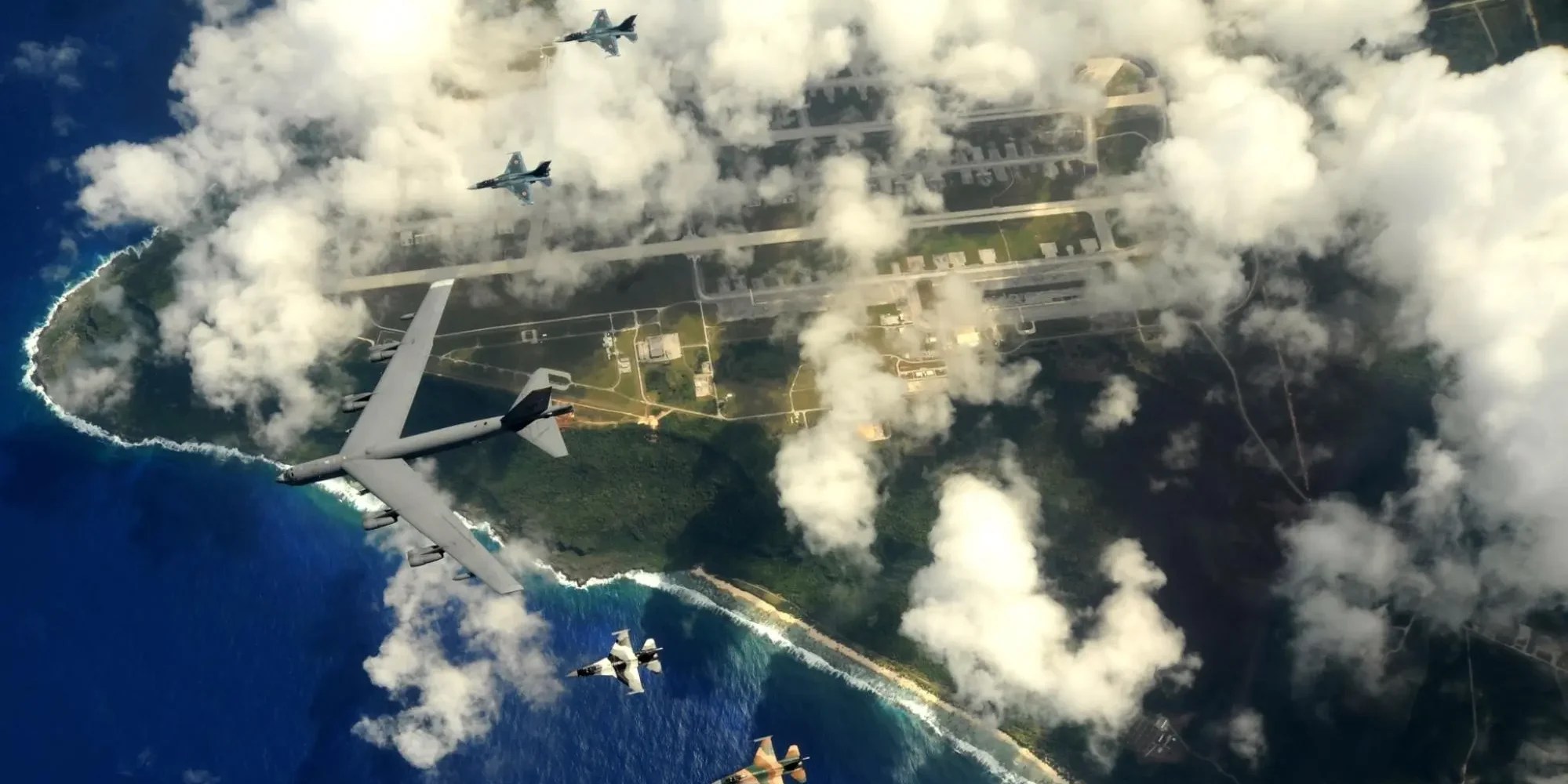
Guam sits at the forefront of a sweeping Pentagon expansion across the Pacific, where military buildup brings both economic promises and urgent environmental warnings. Residents like Leevin Camacho are confronting a growing crisis: tap water tainted with a banned pesticide that has flowed through household pipes for years, putting children and families at risk.
What Happened
In Yigo, a northern village on the island, Camacho received a water authority flyer warning DO NOT DRINK after dieldrin, an organochlorine insecticide banned in the U.S. since 1987, was found at dangerously high levels. The contamination traces back to Andersen Air Force Base, which listed the chemical as a concern as early as 1993. Beyond the well at Camacho's home, the island's groundwater, fish stocks, and cultural sites face multiple threats from ongoing military activities. Unexploded ordnance, PCBs, and other pollutants have accumulated over decades of base operations, while new projects, including a machine-gun range near a federal wildlife refuge and the activated Camp Blaz continues to reshape the landscape. The proposed influx of 80,000 additional people also raises fears about water scarcity, with documents suggesting surplus water from the base could be diverted to civilian communities.
Why This Matters
The fallout extends far beyond a single village. The military buildup intersects with climate vulnerability, cultural erosion, and Indigenous rights across the Pacific. On nearby Yap, plans to dredge a lagoon and disturb over a thousand graves threaten marine ecosystems and ancestral heritage. In Palau, Indigenous leaders are suing to protect their lands from radar facilities and land transfers. Across the region, the U.S. military's expanding footprint is framed as a security necessity, yet residents worry it turns their islands into sacrificial zones. The dieldrin contamination underscores a broader pattern: people living on U.S.-controlled territory bear the costs of defense decisions made far from their communities, without meaningful consent or recourse.
Key Takeaways
- Dieldrin in Guam's drinking water stems from legacy contamination at Andersen Air Force Base, with levels high enough to prompt official warnings.
- The military's Pacific expansion includes new bases, training ranges, and infrastructure projects that alter land, water, and cultural sites.
- Residents face compounded risks: environmental pollution, climate-fueled storms, and a lack of political representation.
- Legal battles and community organizing, such as the We Are Guahan movement, have slowed some projects but cannot halt the overall buildup.
- The situation raises fundamental questions about whose security is prioritized and whose health and heritage are sacrificed in the process.
Conclusion
For Camacho and many others on Guam, the fight is about ensuring the island remains a safe home for the next generation, even as the Pentagon's presence grows. The choice, as he puts it, is between staying and fighting for accountability, or watching the land and water continue to bear the weight of decisions made elsewhere. As the region's climate tightens and geopolitical tensions rise, the question of what kind of future Guam will host and who gets to decide has never been more urgent.


Discussion
Join the conversation
Thoughtful reactions, questions, and follow-up ideas help shape the next story.