Introduction
The Gulf region stands at a pivotal juncture where high-stakes diplomacy, massive capital flows, and emerging technology ambitions converge against a backdrop of ongoing conflict. From Washington's rhetorical escalation to sovereign wealth funds reshaping global markets, these developments signal shifting dynamics with resonance far beyond the region's borders.
What Happened
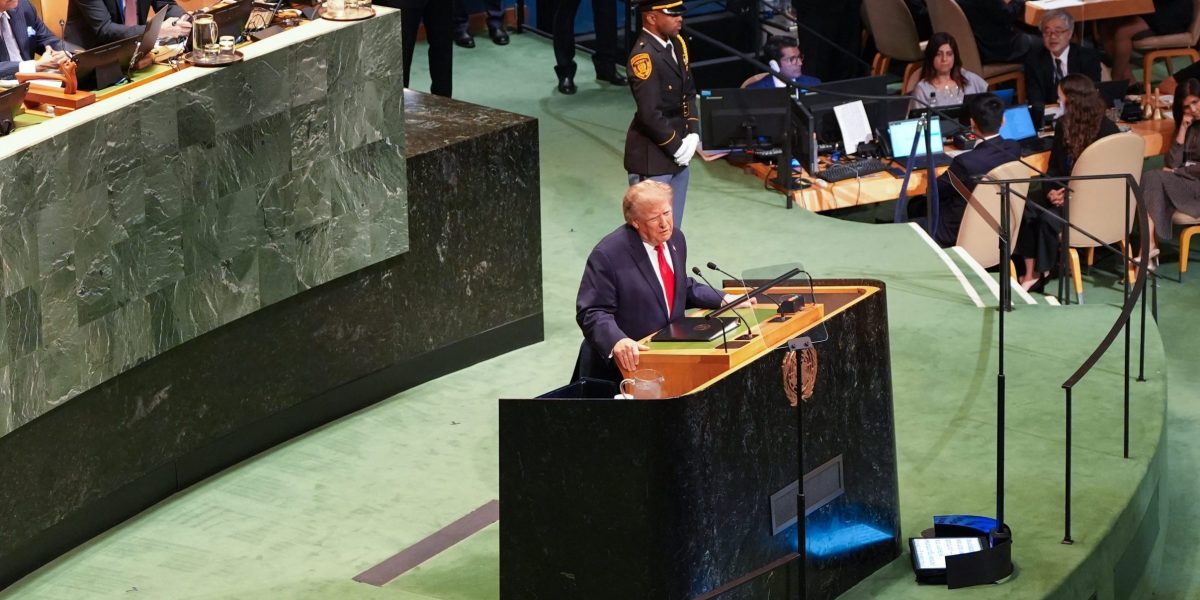
U.S. President Donald Trump used the United Nations General Assembly stage to issue stark warnings toward Iran, suggesting severe consequences if a new deal isn't reached, while Gulf leaders pushed back with calls for renewed diplomacy. Meanwhile, Qatar announced a $20 billion asset management partnership with JPMorgan and unveiled a new domestic investment vehicle, and Gulf sovereign wealth funds secured approval to exceed foreign ownership caps in the proposed $111 billion Paramount-Warner merger. The UAE also marked a major space milestone, with Space42 and Viasat unveiling a $1 billion satellite constellation aimed at connecting smartphones directly from orbit.
Why This Matters
Trump's rhetoric and the Gulf's diplomatic response highlight the fragility of regional security, particularly as Iran's regional advances and the Strait of Hormuz's strategic importance remain central concerns. The wave of Gulf investments spanning finance, media, and space signals a strategic pivot toward diversifying economies and reducing reliance on traditional energy routes. Simultaneously, the proposed F-35 sale to Saudi Arabia and the $5 billion infrastructure fund proposal underscore how military and energy security are becoming intertwined with broader geopolitical realignments.
Key Takeaways
- Trump's UNGA threats have intensified pressure on Iran, but Gulf leaders are prioritizing diplomatic solutions and security guarantees.
- Qatar's $20 billion JPMorgan partnership and new domestic fund reflect a broader trend of sovereign wealth funds deepening local exposure.
- Gulf approval of the Paramount-Warner merger marks the first time foreign capital has breached the 25% broadcast ownership limit with FCC sign-off.
- The UAE's $1 billion satellite initiative with Viasat positions the nation as a regional leader in space-based communications.
- Proposed U.S. funding for Gulf energy infrastructure and the potential Saudi F-35 deal signal expanding military-technology cooperation in the region.
Conclusion
As geopolitical tensions persist and Gulf nations accelerate investments across diverse sectors, the coming months will likely reveal whether diplomatic outreach can de-escalate conflict or whether economic and technological competition will become the primary arena for regional influence. Stakeholders across finance, media, and defense will be watching closely how these parallel tracks unfold.

Discussion
Join the conversation
Thoughtful reactions, questions, and follow-up ideas help shape the next story.