Introduction
The Gulf's secondary market is stepping into the spotlight as a powerful liquidity engine for venture and private equity investors. With IPOs slowing and merger-and-acquisition deals remaining scarce, secondaries offer a direct path to cash out positions in high-growth companies across the region.
What Happened
Turnover on electronic trading platforms almost doubled, jumping from $22 billion in 2022 to $40 billion in 2025. Total issuance climbed from $246 billion to $452 billion over the same period, while average trade sizes grew from roughly $500,000 to $900,000. Startups in the region raised $3.8 billion across 688 deals in 2025, a 74% year-on-year surge according to Magnitt data. Despite this activity, the average exit horizon for VC and PE firms in MENA stood at six years in 2025, reflecting a market that still favors patient capital.
Why This Matters
Traditional exit routes remain limited. Only two technology IPOs occurred across MENA last year, and M&A activity totaled just 46 deals. For investors facing longer wait times, secondaries provide an earlier liquidity option. The emerging market also trades at meaningful discounts to net asset value between 35% and 45% on average, significantly wider than the 5% to 15% typical of high-quality U.S. buyout fund interests. These conditions are drawing sovereign wealth funds, family offices, and institutional capital into the space.
Key Takeaways
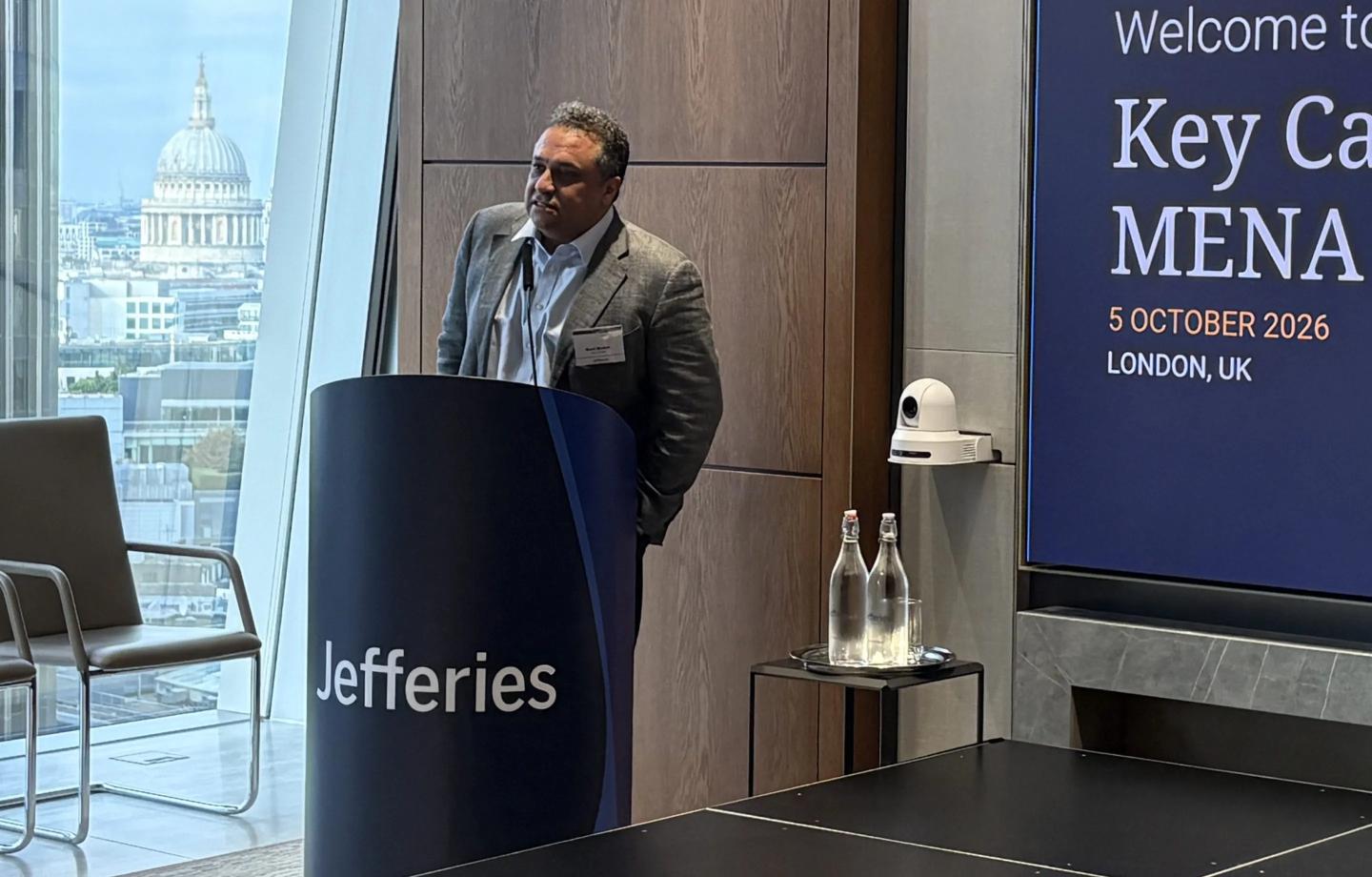
Basil Moftah, co-founder and managing partner of Key Capital, is building a dedicated secondaries vehicle focused on the UAE and Saudi Arabia, targeting companies at Series B and later stages with revenues between $25 million and $100 million and year-on-year growth of 30% to 50%. His fund, Key Fund I, aims for a $50 million size and will acquire secondary stakes directly from existing shareholders without adding names to the company's capitalization table. A strategic partnership with SHUAA Capital expands its reach across MENA and EMEA. Key Capital has already attracted interest from Gulf sovereigns, family offices, and even European firms seeking liquidity unavailable at home. The firm focuses on sectors including fintech, edtech, proptech, AI, and e-commerce, emphasizing companies that are already market leaders or on track to profitability.
Conclusion
The Gulf's secondaries market is still in its early stages, but the combination of extended exit horizons, limited IPO activity, sparse M&A flow, and steep NAV discounts is creating a distinctive opportunity for investors willing to embrace illiquidity. As the region's private markets mature, secondaries are poised to become more than an alternative exit mechanism, they are becoming a core pillar of how capital gets recycled through the Gulf's expanding investment ecosystem.


Discussion
Join the conversation
Thoughtful reactions, questions, and follow-up ideas help shape the next story.