Introduction
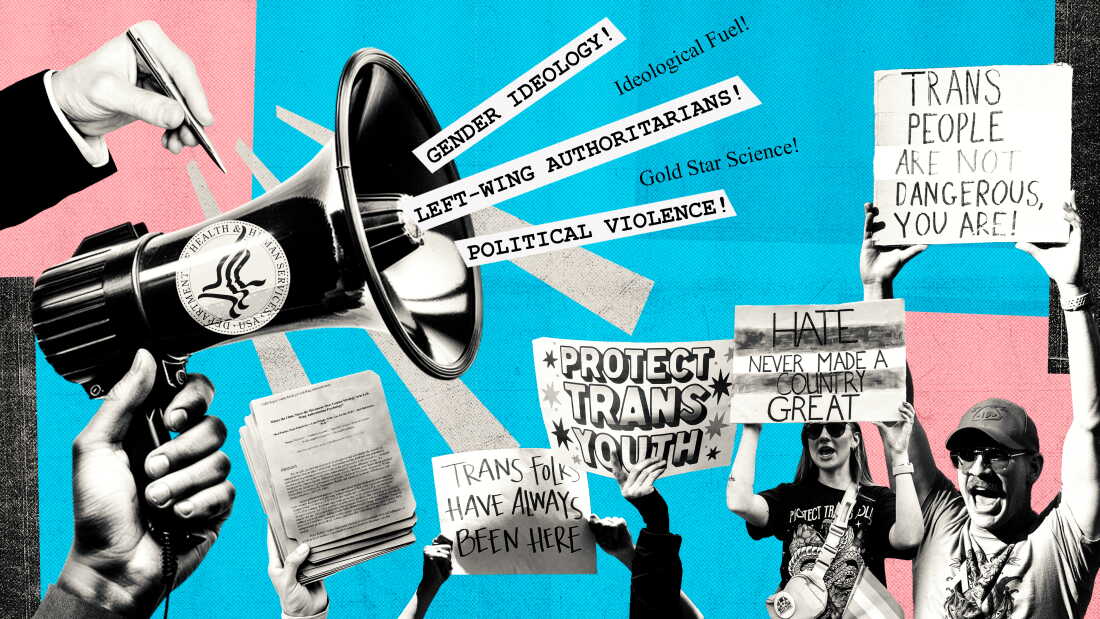
The U.S. Department of Health and Human Services recently ignited debate with a new report examining the psychological underpinnings of support for gender-affirming medical care. The study, released in mid-2026, asserts that backing such treatments may correlate with left-wing authoritarian psychology and a propensity to justify political violence.
What Happened
The report titled Where the Clinic Meets the Movement: Does Gender Ideology Arm Left-Wing Authoritarian Psychology? was authored by Colin Wright of the Manhattan Institute and colleagues. It was not peer-reviewed, and its underlying data and funding sources remain unpublished. The analysis draws from an online survey of approximately 1,200 adults, asking about support for gender-affirming care, attitudes toward censorship, and views on political violence targeting public figures.
- Survey participants were asked about support for gender-affirming medical care, government censorship, and aspects of capitalism.
- Respondents were also questioned whether violence is justified against figures including conservative commentators and business leaders.
- Critics note the sample overrepresents Democratic respondents compared to the broader U.S. political demographics.
Why This Matters
The report is part of a broader series of HHS actions targeting gender-affirming care, including attempts to restrict Medicaid funding for youth services, the removal of transgender health officials' names from department imagery, and executive orders framing transgender rights as ideological threats. Academics and policy experts warn that labeling support for gender-affirming care as extremist could influence state legislation, public perception, and access to care for transgender and nonbinary individuals. The controversy also highlights tensions around how federal health agencies evaluate evidence and whose expertise they prioritize.
Key Takeaways
The HHS report claims a link between gender-affirming care support and left-wing authoritarian psychology, but its methods have been widely criticized as lacking peer review, lacking transparent data, and relying on a controversial ideological scale. The findings align with a series of recent federal moves to limit transgender health services, sparking concern among medical associations and civil rights groups. Major medical organizations continue to endorse gender-affirming care as standard, evidence-based practice, citing extensive clinical consensus. Critics argue the report functions more as a political tool than a scientific contribution, potentially emboldening policies that restrict transgender rights under the guise of research.
Conclusion
The latest HHS report on gender ideology and political violence has reignited fierce debate over the intersection of gender policy, scientific standards, and federal authority. While the study's authors defend their work as a necessary inquiry, the academic community and transgender advocates view it as part of a pattern of ideologically driven efforts to delegitimize established medical standards. As state legislatures and federal agencies continue to grapple with transgender health policy, the episode underscores the importance of transparent, peer-reviewed research and the ongoing struggle to keep public health decisions grounded in consensus science rather than political framing.



Discussion
Join the conversation
Thoughtful reactions, questions, and follow-up ideas help shape the next story.